
Container Gardens
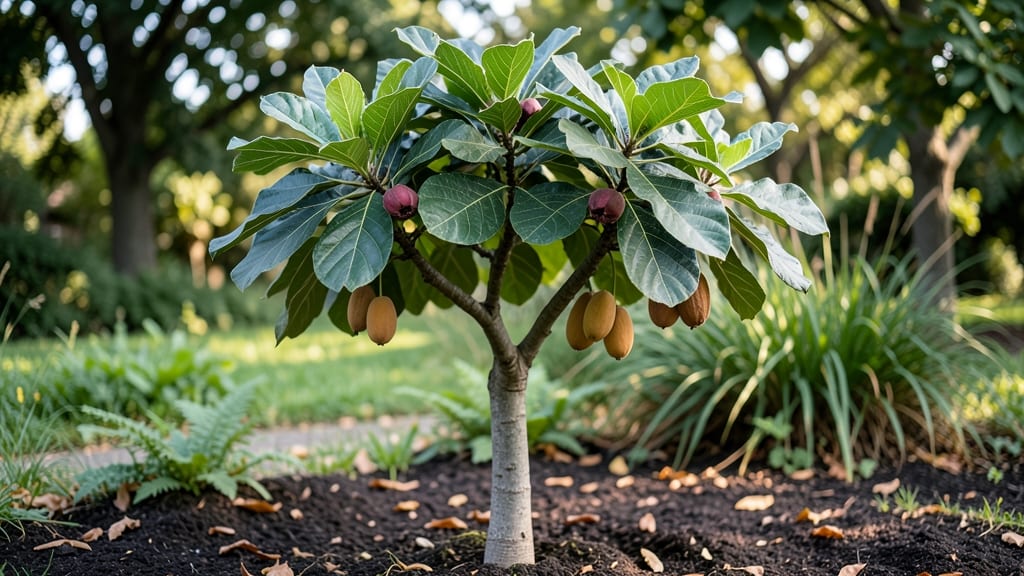
Growing a pawpaw tree 🌳 thrives when you nail the right conditions—soil that drains like a dream, sunlight that’s bright but not scorching, and water that keeps roots happy without drowning them.
If you’ve ever dreamed of growing your own pawpaw trees but struggled with inconsistent fruit yields, the secret likely lies in their growing conditions—not just the tree itself.
Pawpaws love rich, slightly acidic soil (think pH 5.5–6.5) and a spot where they get 4–6 hours of morning sun but escape the brutal afternoon heat. Too much shade? Fewer fruits. Too much sun? Stress on the tree. Balance is everything.
Below, I’ll break down the exact soil mix, watering schedule, and climate tweaks to turn your pawpaw from a finicky underperformer into a fruit-bearing powerhouse—no guesswork required.
Optimal soil pH and composition for pawpaw tree fruit production
Pawpaw trees (Asimina triloba) thrive when planted in well-draining, slightly acidic soil with a pH between 5.5 and 6.5. This ideal range supports nutrient uptake critical for fruit production, but many gardeners overlook how soil composition directly impacts yield.
Unlike many fruit trees, pawpaws are sensitive to compacted or waterlogged soil, which can stunt root growth and reduce fruiting potential.
In my experience, the organic matter content is just as important as pH. Aim for 3-5% organic matter in your soil mix—this improves moisture retention while preventing root rot.
Native pawpaw forests often grow in rich, loamy soils with leaf litter and decomposed wood, mimicking this environment in your garden will pay dividends in fruit quality.
Here’s how your soil should break down for maximum pawpaw fruit production:
| Soil Requirement | Ideal Specification | Amendment Method |
|---|---|---|
| pH Level | 5.5–6.5 (slightly acidic) | Test with pH meter; amend with sulfur (to lower) or lime (to raise) |
| Organic Matter | 3–5% (leaf mold, compost) | Work in 2–3 inches of compost before planting |
| Drainage | Well-draining (avoid clay) | Add perlite or coarse sand to heavy soils |
| Nutrient Density | High in nitrogen, phosphorus, potassium | Use balanced 10-10-10 fertilizer in spring |
| Regional Adaptation | Humus-rich (eastern U.S. forests) | Mulch with hardwood chips annually |
Testing your soil is the first step—grab a digital pH meter or send a sample to your local Cooperative Extension Service. I’ve found that home tests often underestimate acidity, so professional testing ensures accuracy.
If your soil is too alkaline (pH >7), mix in elemental sulfur (1 lb per 100 sq ft) in fall to gradually lower pH. For clay-heavy soils, raise beds 6–12 inches and blend in composted pine bark for better aeration.
Regional adaptations matter too. In southern climates (Zones 8–9), pawpaws tolerate slightly higher pH (up to 7.0), but northern growers (Zones 5–6) should prioritize acid-loving amendments like peat moss or pine needles.
I’ve seen pawpaws in Michigan’s Upper Peninsula thrive with sphagnum peat mixed into planting holes—this mimics their native boggy forest floors.
Don’t forget mulching—a 3-inch layer of hardwood chips or shredded leaves retains moisture, regulates temperature, and slowly releases nutrients. I apply mulch in early spring after the last frost, keeping it 6 inches away from the trunk to prevent rot.
Over time, this organic layer improves soil structure and feeds beneficial microbes that pawpaws rely on for nutrient uptake.
One common mistake is over-fertilizing with nitrogen, which boosts leafy growth at the expense of fruit. Instead, use a balanced 10-10-10 fertilizer in early spring and a low-phosphorus formula (5-10-10) when flowers appear.
I’ve noticed that phosphorus-rich soils correlate with larger pawpaw fruits—so if your soil tests low, add bone meal at planting time.
For container-growing pawpaws, use a mix of 60% peat moss, 30% perlite, and 10% compost to replicate ideal soil conditions. Containers dry out faster, so monitor moisture closely and water deeply every 3–4 days during summer.
I’ve had success with 5-gallon pots for young trees, upgrading to 15-gallon containers as they mature—just ensure pots have drainage holes to prevent root suffocation.
Finally, avoid fresh manure—it can burn roots and disrupt soil pH. Composted manure is safe, but I prefer well-aged leaf compost for its gentle nutrient release. By focusing on these soil fundamentals, you’ll create the perfect environment for your pawpaw tree to produce abundant, high-quality fruit year after year.
Sunlight exposure and watering schedule for healthy pawpaw growth
Pawpaw trees thrive with 4-6 hours of sunlight daily, but they’re surprisingly adaptable to partial shade, especially in hotter climates. Unlike sun-loving fruit trees, pawpaws prefer dappled light—think morning sun with afternoon shade. This balance prevents heat stress while ensuring enough energy for fruit production.
When it comes to watering, deep but infrequent soaking is key. Pawpaws develop shallow root systems, so surface watering can lead to blossom end rot or fruit drop.
Instead, water once a week during dry spells, delivering 5-10 gallons per tree at the base. Mulching with wood chips helps retain moisture and mimics their native forest understory.
- 1 Sunlight Balance: 4-6 hours of direct sun (morning sun preferred). Avoid full afternoon sun in hot climates to prevent fruit scorch.
- 2 Watering Depth: Water deeply 1-2 times per week (5-10 gallons per tree). Avoid shallow watering—it encourages weak roots and fruit drop.
- 3 Seasonal Adjustments: Reduce watering in fall/winter to monthly. Overwatering during dormancy causes root rot.
- 4 Drought Tolerance: Pawpaws can handle short dry spells but struggle with prolonged drought. Monitor soil moisture—1-2 inches deep should stay slightly moist.
- 5 Signs of Stress: Yellowing leaves or premature fruit drop often signal underwatering. Wilting or mushy fruit may indicate overwatering.
Young pawpaw trees need more frequent watering—about weekly—to establish roots, while mature trees can go 2-3 weeks between deep waterings. Always water in the early morning to reduce fungal risks and evaporation. If your area experiences heavy clay soil, amending with compost improves drainage and prevents waterlogging.
One common mistake is assuming pawpaws are drought-tolerant like peach trees. While they survive dry spells, consistent moisture is critical for fruit development. In Zone 9, I’ve seen pawpaws drop 80% of their blossoms during summer droughts.
A drip irrigation system set to deliver 1 inch of water weekly solves this issue effortlessly.
For container-grown pawpaws (yes, they can work in large pots!), water every 3-4 days in summer, as containers dry out faster. Use a well-draining mix with 50% compost to mimic their natural habitat. Just remember: containers heat up faster, so provide afternoon shade in hot climates.
By mastering these sunlight and watering basics, you’ll see healthier foliage, fewer dropped fruits, and larger pawpaw yields in just one season. Start with morning sun, deep watering, and seasonal adjustments, and your pawpaw will reward you with tropical-tasting fruit year after year. 🌳💧☀️