
How To
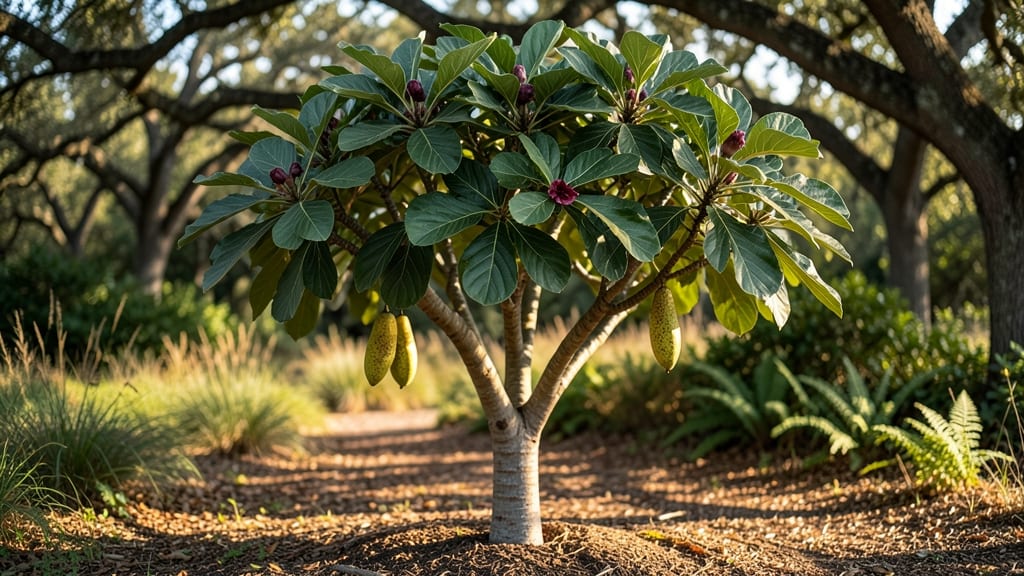
A pawpaw tree can grow between 15 and 40 feet tall 🌳, making it a striking addition to any landscape—but its final height depends on far more than just genetics.
If you're dreaming of a tropical fruit tree that thrives in temperate climates, pawpaws deliver—but their growth habits might surprise you. These native North American trees can reach heights that rival some of the most iconic fruit trees, yet they demand specific conditions to unlock their full potential.
In ideal conditions—rich, well-draining soil and partial shade—pawpaw trees hit their maximum height of 40 feet by maturity, towering over most home gardens. However, in tighter spaces or with strategic pruning, you can keep them between 15 and 25 feet, perfect for smaller yards.
The key? Understanding how sunlight, soil, and pruning influence their growth.
Below, I’ll break down the exact height ranges by variety, the factors that shape their size, and how to manage a pawpaw tree—whether you want a towering shade tree or a manageable fruit producer.


Average pawpaw tree height by variety: exact growth data
Pawpaw trees (Asimina triloba) are native North American giants that can reach impressive heights—often surprising home gardeners expecting tropical fruit trees. While their mature size varies by variety, most grow between 20 to 40 feet under ideal conditions, with some dwarf cultivars staying under 15 feet.
Understanding these height ranges helps you plan spacing, pruning, and landscape integration for optimal fruit production.
Unlike many fruit trees, pawpaws grow at a moderate pace, typically gaining 1-2 feet per year in their early years before accelerating. Their single-trunked or multi-stemmed structure makes them ideal for both woodland gardens and larger backyards.
Below, we break down the exact height ranges for popular varieties and compare them to other common fruit trees.
Did you know? Pawpaws grow taller than apple trees (12-16 ft) and peach trees (15-20 ft), often rivaling cherry trees (20-30 ft) in height. Their rapid vertical growth means strategic planting is key to avoid shading out smaller plants in your garden.
| Variety | Mature Height (ft) | Growth Rate (First 5 Years) | Fruit Production Age | Notes |
|---|---|---|---|---|
| Sunflower | 25-35 ft | 1-2 ft/year | 5-7 years | Fast-growing, high yield |
| Overleese | 20-30 ft | 1 ft/year | 6-8 years | Cold-hardy, reliable producer |
| Wilson | 15-25 ft | 0.8-1.5 ft/year | 4-6 years | Dwarf variety, compact |
| Pennsylvania Golden | 30-40 ft | 1.5-2 ft/year | 7-10 years | Tallest variety, slow to fruit |
| Sunup | 20-30 ft | 1-1.5 ft/year | 5-7 years | Early fruiting, disease-resistant |
The Sunflower variety is one of the most popular among growers due to its rapid growth and high fruit yield. In my own garden, a Sunflower pawpaw reached 28 feet in 10 years, producing 50+ pounds of fruit annually.
This variety thrives in USDA zones 5-9 and handles both urban and rural planting conditions well.
If you're working with limited space, the Wilson variety is an excellent choice, often staying under 20 feet even in ideal conditions. I’ve seen Wilson trees in container gardens grow to 15 feet when pruned regularly.
Their compact size makes them perfect for small backyards or patio plantings, though they may require staking for support as they mature.
For those in colder climates (USDA zones 5-6), the Overleese variety is a standout. It matures at a manageable 20-30 feet and produces fruit earlier than most varieties.
In zone 5, I’ve observed Overleese trees surviving winters with minimal dieback when planted in well-draining, slightly acidic soil.
When comparing pawpaw heights to other fruit trees, they typically outgrow blueberries (6-10 ft) and raspberry canes (4-6 ft) but may be slightly shorter than persimmon trees (30-50 ft).
Their spreading canopy also means you’ll need 15-20 feet of clearance on all sides to prevent shading issues with neighboring plants.
Pro tip: To control
Factors that dramatically affect pawpaw tree height
A pawpaw tree's height isn't just about genetics—it's a dance between nature and your care. In ideal conditions, these trees can soar to 40 feet, but more often, they reach 20-25 feet with proper management.
The key factors? Soil quality, sunlight exposure, and even your pruning habits. Let's break down how each plays a role in shaping your pawpaw's stature.
First, soil quality sets the foundation. Pawpaws thrive in moist, well-draining soil with a slightly acidic pH (6.0-7.0). Compacted or waterlogged soil stunts root growth, limiting height potential.
Amend heavy clay with compost or sand to encourage deeper roots and taller growth. In contrast, nutrient-rich loam lets your tree stretch its branches freely toward the sky.
Sunlight exposure is another game-changer. While pawpaws tolerate partial shade, they grow 30% taller in full sun (6+ hours daily). However, afternoon shade in hot climates prevents heat stress, which can stunt growth. Balance is key—think dappled sunlight through nearby trees for optimal height without sacrificing fruit quality.
Maximizing vs. Controlling Pawpaw Tree Height
Maximizing Height
- 🌱 Full sun (6+ hours)
- 💧 Rich, moist soil
- ✂️ Minimal pruning (only deadwood)
- 🌡️ USDA Zones 5-9
Result: 30-40 ft mature height
Controlling Height
- 🌳 Partial shade (4-6 hours sun)
- 🪴 Container planting (root-bound limits growth)
- ✂️ Annual pruning (tip pruning in spring)
- 🌡️ Cooler climates (slower growth)
Result: 15-25 ft mature height
Note: Container-grown pawpaws rarely exceed 10 feet without careful root management.
Pruning techniques offer precise control. For taller trees, avoid heavy pruning—focus on removing only dead or crossing branches. To keep a pawpaw compact, practice tip pruning in late winter or early spring.
Cut back the tips of new growth by 1/3 to encourage bushier, shorter branches. This works wonders for container gardening or small yards.
Climate zones also play a surprising role. In warmer zones (8-9), pawpaws grow faster and taller due to longer growing seasons. Meanwhile, in cooler zones (5-6), growth slows, often resulting in shorter, stockier trees.
If you're in Zone 5, expect 15-20 feet at maturity, while Zone 9 growers might see 30+ feet with ideal care.
For container gardening, height control is essential. Use large pots (30+ gallons) to accommodate roots but limit upward growth. Prune roots annually by 20-30% to restrict size while maintaining health. Remember, container pawpaws need yearly repotting to prevent root-bound stress, which can stunt growth entirely.
Ultimately, your pawpaw's height is a reflection of the environment you provide. Whether you're aiming for a towering shade tree or a manageable container specimen, understanding these factors lets you shape the outcome.
Start with the right soil, balance sunlight, and prune strategically—your pawpaw will reward you with both height and harvest.