
Pruning
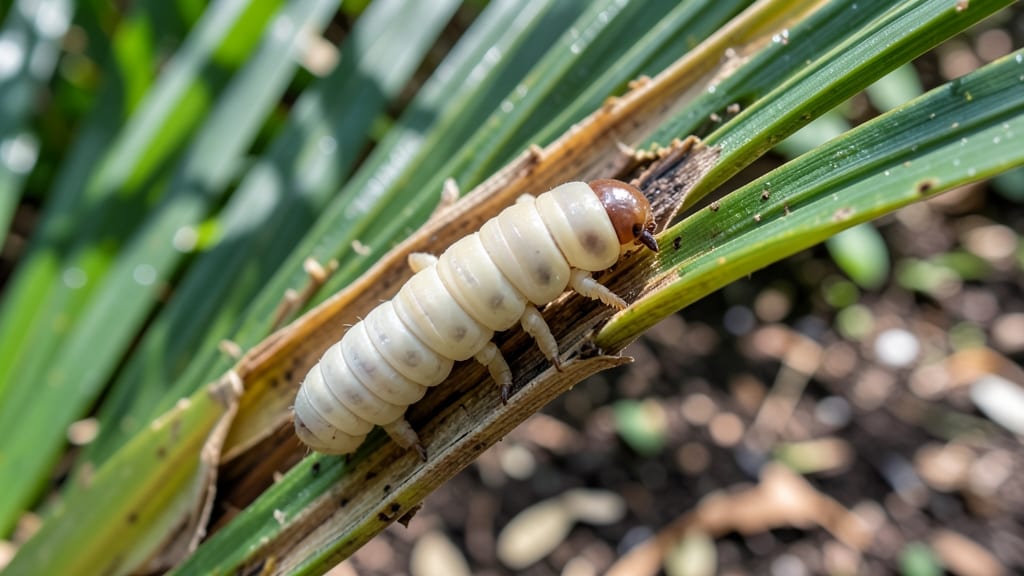
Your palm tree’s healthy growth depends on spotting palm tree insects early—before they turn fronds brown or sawdust piles up at the base. 🌿 I’ve battled everything from sneaky palm weevils to sticky aphid trails, and the key is knowing what to look for (and when to act).
Most infestations start small: yellowing fronds, tiny webs, or that telltale frass (bug poop) dusting the trunk. The good news? Organic fixes like neem oil or introducing ladybugs can stop many pests before they cause real damage—if you catch them in time.
By the end, you’ll inspect your palms like a pro, prune strategically, and keep soil healthy enough to fend off invaders. No more guessing whether those holes are from pests or just weather—just clear, actionable steps for a thriving tree.
Works for all palm types, from dwarf varieties to towering Canary Island palms. Let’s get your tree back to its best.
📚 In This Guide
- What you need
- Instructions
- Tips and common mistakes
- Wrapping up and next steps
What you need
- ● Pruning shears – Sharp, bypass-style shears (1 pair, 8–12" blade length) for trimming infested fronds.
- ● Extension pole – 6–10 ft telescoping pole with a pruner attachment (for tall palms).
- ● Gloves – Heavy-duty, chemical-resistant gloves (2 pairs, nitrile or leather).
- ● Bucket or sprayer – 5-gallon bucket or pump sprayer (for DIY treatments).
- ● Neem oil or insecticidal soap – 100% pure, organic neem oil (16 oz) or insecticidal soap (32 oz).
- ● Hose with adjustable nozzle – For rinsing off pests and treatments.
- ● Plastic sheeting or drop cloth – 4x6 ft (to protect ground surfaces).
- ● Magnifying glass – For close-up inspection of insects (5x–10x magnification).
- ● Food-grade diatomaceous earth (DE) – 5 lb bag (safe for organic pest control).
- ● Beneficial nematodes – For soil-dwelling pest control (1–2 million per application).
- ● Citrus oil or horticultural oil – 16 oz (alternative to neem oil).
- ● Camera or phone with macro mode – To document pest activity before/after treatment.
Natural defense guide for healthy palm tree growth
Here’s how to spot early signs of pests and keep your palms thriving without harsh chemicals.
🌿 Step 1: Inspect Leaves for Early Signs of Infestation
Start by examining the fronds from top to bottom, focusing on the undersides where pests love to hide. Look for tiny webs, sticky residue (honeydew), or tiny crawling insects—these are red flags for mealybugs, scale, or spider mites. I like to do this on a calm morning when pests are sluggish and easier to spot. Use a hand lens if needed; many infestations begin small but spread fast.
Check the leaf axils (where the frond meets the trunk) and the crown shaft—these are prime hiding spots. If you see fronds yellowing or browning at the tips, it could signal an internal pest like palm weevils. Don’t wait until damage is severe; early action prevents long-term stress on your tree.
💧 Step 2: Apply Natural Pest Control Solutions
For soft-bodied pests like mealybugs or scale, mix 1 tablespoon of neem oil with 1 quart of water and a drop of dish soap (as a surfactant). Spray this solution directly on infested areas, focusing on the undersides of leaves. Reapply every 5-7 days until the pests disappear—neem oil disrupts their life cycle but is safe for your palm.
For spider mites, increase humidity around the tree by misting the fronds daily. These pests thrive in dry conditions, so a simple spray bottle can deter them. If you notice fine webbing, treat with insecticidal soap (follow label instructions) and repeat weekly until the webbing is gone. Always test a small area first to ensure your palm tolerates the treatment.
☀️ Step 3: Strengthen the Tree’s Natural Defenses
Healthy palms resist pests better, so focus on proper care. Water deeply once a week (or more in extreme heat) to encourage strong root growth—underwatered palms are more vulnerable. Use a balanced fertilizer (like 8-8-8) every 2-3 months during growing seasons to provide essential nutrients. Avoid over-fertilizing, which weakens the tree and attracts pests.
Prune dead or yellowing fronds promptly to remove hiding spots for pests. Use sterilized pruning shears to prevent spreading diseases. If you see signs of palm weevils (like oozing sap or fronds wilting suddenly), act fast—these pests can kill a tree in weeks. In severe cases, consult a professional arborist for targeted treatment.
✂️ Step 4: Monitor and Maintain Long-Term Health
Set a monthly reminder to inspect your palm, especially after rain or heatwaves when pests are most active. Keep the base of the tree clear of debris—mulch 2-3 inches deep around the trunk to deter crawling insects while retaining moisture. If you notice new pests, isolate the tree immediately to prevent spread to other plants.
Encourage beneficial insects like ladybugs and lacewings by planting companion plants like marigolds nearby. These predators feed on common palm pests naturally. With consistent care, your palm will stay resilient. Remember, prevention is easier than treatment—so stay vigilant and your tree will thrive for years.
Tips & tricks for protecting palm trees from insects
Took me years to learn these tricks after watching my first palm tree suffer from hidden pests—here's how to keep yours thriving without chemicals.
Timing Tip for Inspections: The calm morning inspection in Step 1 works best because pests are least active when temperatures are coolest. I've found that checking after a light rain also helps—pests become more visible when their hiding spots are wet. Focus on the newest fronds first; they're often the first to show signs of stress from pests hiding in the crown.
Solution Strength: When mixing the neem oil solution in Step 2, I always double-check the 1 tablespoon measurement—too little won't work, but too much can harm your palm. For stubborn infestations, you can increase to 2 tablespoons per quart of water, but monitor the tree closely for any signs of stress after application. The dish soap acts as a surfactant, helping the solution stick to leaves better.
Fertilizer Timing: The 2-3 month fertilizer schedule in Step 3 is perfect, but I've learned to adjust timing based on seasons. In spring and summer when growth is most active, I fertilize every 8 weeks. In fall and winter, I extend to 12 weeks since growth slows. Always water thoroughly after fertilizing to prevent root burn—this is especially critical for palms with shallow root systems.
Pro Tips for Palm Tree Insects
- Took me years to learn these tricks after watching my first palm tree suffer from hidden pests—here's how to keep yours thriving without chemicals.
- Timing Tip for Inspections: The calm morning inspection in Step 1 works best because pests are least active when temperatures are coolest.
- Solution Strength: When mixing the neem oil solution in Step 2, I always double-check the 1 tablespoon measurement—too little won't work, but too much can harm your palm.
Frequently asked questions
about palm tree insects can help you stay ahead of pests and keep your trees thriving. Here are some common concerns and quick answers:What are the most common palm tree insects I should watch for?
The most troublesome pests include palm weevils (especially the red and black varieties), palm aphids, spider mites, and mealybugs. Palm weevils are the most destructive—they bore into the trunk and can kill a tree in weeks. Aphids and mealybugs feed on sap, causing yellowing fronds, while spider mites create fine webbing and stunted growth.
How do I know if my palm tree has an insect infestation?
Watch for these red flags: frond discoloration (yellowing or browning), sticky residue (honeydew) on leaves or trunks, tiny holes or sawdust-like frass near the base, visible webbing (mite infestations), or weak, drooping fronds. For weevils, check the trunk for small holes or sawdust-like borings—these are urgent signs of a serious threat.
When is the best time of year to treat palm tree insects?
Spring and early summer (March–June) are ideal for prevention, as pests are most active during warm, humid weather. If you spot an infestation, act immediately—especially for weevils, which spread rapidly. Pro tip: Apply treatments when temperatures are above 60°F (15°C) for best effectiveness, but avoid extreme heat, which can stress the tree further.
Are there natural or chemical-free ways to control palm tree insects?
Yes! Start with cultural controls: prune infested fronds, remove debris from the base, and water deeply to promote tree health. For mild infestations, use neem oil or insecticidal soap. For weevils, systemic insecticides (like imidacloprid) are often necessary—consult a licensed arborist for severe cases. Pro tip: Combine prevention (like fertilizing) with early detection for the best results.
What should I do if my palm tree is already dying from an insect infestation?
Act fast! Isolate the tree to prevent spreading pests, then remove heavily infested fronds and inspect the trunk for weevil damage. If the trunk is hollow or oozing, the tree is likely beyond saving—remove it immediately to protect nearby palms. For less severe cases, professional treatment (like trunk injections) may still help. Warning: Never ignore weevil damage—it’s often fatal.
Wrapping up and next steps
Palm tree insects may seem intimidating, but with the right knowledge and tools, you can protect your trees and keep them thriving! 🌿 From identifying early signs of infestation to choosing eco-friendly solutions, proactive care makes all the difference. Remember, a healthy palm starts with vigilance and the right approach.
Ready to take action? Start by inspecting your palms this weekend—early detection is your best defense! If you spot any issues, grab your supplies and tackle them head-on. Your palms (and your home’s curb appeal) will thank you!