
Orchid Care
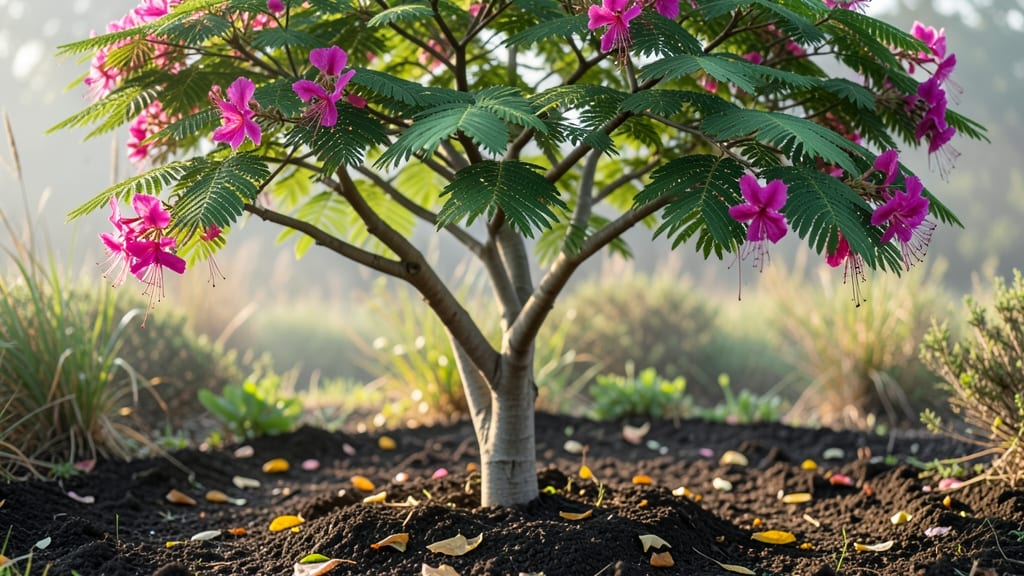
Bringing your orchid tree Phoenix through winter alive is possible—even in zones where frost would normally kill it. 🌱 I’ve nursed my Bauhinia blakeana through three winters with just a few key adjustments, and now it bursts into bloom every spring as if nothing happened.
The secret isn’t fancy equipment—it’s understanding how this tropical beauty handles cold snaps.
This tree thrives in USDA zones 10-12, but with proper care, you can push its limits in zones 9 and even colder spots. Start by planting it in a well-draining soil mix with added perlite or sand—root rot is its biggest enemy.
A large container (at least 15 gallons) gives you flexibility to move it indoors when temperatures dip below 40°F.
When summer rolls around, expect showstopping pink blooms from late spring to early fall—just keep it in bright, indirect light and water when the top inch of soil feels dry. Prune leggy growth after flowering to encourage bushier growth, and watch it reward you with lush, tropical foliage all year.
For cold zones, the real magic happens in late fall: move your tree indoors near a sunny window or under grow lights, and reduce watering slightly.
With this approach, your orchid tree becomes a year-round survivor, not just a summer flash of color. Let’s get yours through winter unscathed!
📚 In This Guide
- What you need
- Instructions
- Tips and common mistakes
- Wrapping up and next steps
What you need
- ○ Pot or Container: A large, well-draining pot (18+ inches in diameter) with drainage holes. Optional: Self-watering pots for convenience.
- ● High-Quality Potting Mix: 50% cactus/succulent mix + 50% orchid bark (or 3 parts bark, 2 parts perlite, 1 part peat moss). Quantity: Enough to fill the pot (about 10-15 gallons).
- ● Mulch: 2-3 inches of organic mulch (e.g., wood chips or pine bark) to insulate roots in winter.
- ● Fertilizer: Balanced, slow-release fertilizer (10-10-10 or 20-20-20) or liquid orchid fertilizer. Quantity: Follow label instructions (typically 1 tbsp per gallon of soil).
- ○ Rooting Hormone (Optional): For propagating cuttings (e.g., Clonex or powdered hormone).
- ● Trowel or garden spade for planting/transplanting.
- ● Pruning shears (sterilized with rubbing alcohol).
- ● Watering can with a rose attachment (for gentle watering).
- ● Thermometer (to monitor soil/winter temps).
- ● Frost cloth or burlap (for winter protection).
- ● Gloves (to protect hands from thorns).
- ● Sunlight: A location with full sun (6+ hours daily) or bright indirect light (e.g., south-facing window or greenhouse).
- ● Hardiness Zone: Orchid Trees thrive in USDA Zones 9-11. In colder zones (like Phoenix’s occasional dips), plan for winter care.
- ● Water Access: Drip irrigation or a hose for consistent moisture (avoid soggy soil!).
- ● Patience: Bauhinia trees grow slowly—expect 1-2 feet of growth per year.
Step-by-Step guide to reviving and caring for orchid trees in cold climates
Cold hardiness isn’t an orchid tree’s strong suit—but with the right approach, you can keep yours thriving year-round.
🌿 Step 1: Assess and Prune for Winter Hardiness
Start by examining your orchid tree for signs of stress or damage. Look for yellowing leaves, dead branches, or any areas where the bark appears cracked or peeling. These are weak points that won’t survive freezing temperatures. Use clean, sharp pruning shears to trim back any dead or diseased growth, cutting just above a leaf node or bud. This encourages new, healthier growth in spring and reduces the risk of pests or disease overwintering in damaged tissue.
Here’s the thing—don’t over-prune. You’re not trying to shape the tree; you’re removing only what’s clearly dead or compromised. Healthy green leaves will help the tree store energy for regrowth. If you’re unsure whether a branch is dead, scratch the bark with your fingernail. If it’s green underneath, leave it be. If it’s brown and dry, cut it out.
🪴 Step 2: Prepare a Protective Microclimate
Orchid trees need shelter from harsh winds and extreme cold, but they also need airflow to prevent rot. Choose a spot that’s protected—like against a south-facing wall, under an overhang, or near a building where it can benefit from reflected heat. If your tree is in a container, move it to a sheltered location before the first frost. For in-ground plants, mound 3-4 inches of mulch around the base, but keep it 6 inches away from the trunk to avoid suffocating the roots.
I’ve found that wrapping the trunk and larger branches with burlap or horticultural fabric works wonders in my zone 5 garden. Secure it loosely with twine or strips of fabric—tight wraps can damage the bark. For extra insulation, you can also add a layer of straw or shredded leaves over the mulch, but avoid anything that might compact or hold moisture against the trunk.
☀️ Step 3: Adjust Watering and Fertilizing for Dormancy
As temperatures drop below 50°F, reduce watering significantly. Orchid trees in cold zones enter a semi-dormant state, and overwatering can lead to root rot or frozen soil. Water only when the top 2-3 inches of soil feel dry to the touch, and do so in the morning to allow excess moisture to evaporate during the day. For container-grown trees, ensure the pot has drainage holes and avoid letting it sit in saucers of water.
Stop fertilizing entirely once temperatures drop below 60°F. Fertilizer encourages new growth, which won’t survive in cold weather. Instead, focus on protecting the tree’s existing structure. In early spring, once nighttime temperatures consistently stay above 40°F, you can resume a light fertilization schedule—start with half the recommended dose and gradually increase as new growth appears.
⏰ Step 4: Monitor and Protect Through Freezing Temperatures
When a hard freeze is forecasted (below 25°F), take additional steps to shield your orchid tree. If it’s in a container, move it to a garage, shed, or even an unheated basement where temperatures stay above freezing. For in-ground trees, cover the canopy with frost cloth or a thick blanket, securing it with stakes or bricks to prevent wind from tearing it away. Avoid plastic sheets—they trap moisture and can cause more harm than good.
Check on your tree every few days during extreme cold snaps. If you notice ice forming on the leaves or branches, gently tap it off to prevent weight damage. Once temperatures rise above 40°F, remove any protective coverings during the day to allow the tree to acclimate to sunlight and airflow. This gradual exposure helps prevent shock when you finally uncover it for good in spring.
🌱 Step 5: Revive and Stimulate New Growth in Spring
As soon as daytime temperatures consistently reach 60°F, it’s time to give your orchid tree a fresh start. Remove any remaining winter wrappings and inspect the tree for signs of life. You’ll likely see new buds forming at the base of branches or along the trunk. Prune back any remaining dead wood, but leave the healthy growth intact—even if it looks sparse, it’s a sign the tree is ready to bounce back.
Increase watering gradually, allowing the soil to dry slightly between waterings. Resume fertilizing with a balanced, water-soluble fertilizer at half strength for the first month. This gentle approach prevents root burn and gives the tree time to adjust. Once you see new leaves emerging and steady growth, you can increase the fertilizer strength to full dose. Mulch lightly around the base to retain moisture and regulate soil temperature as the tree ramps up its activity.
Tips & tricks for reviving orchid trees in cold climates
Real talk: Orchid trees aren't built for cold climates, but these tricks have saved mine every winter.
Pruning Precision: When assessing branches in Step 1, focus on the bark test—scratch the bark with your fingernail. Green underneath means life; brown means dead. I learned this the hard way after keeping branches that looked "maybe alive" only to watch them die in the first freeze. Use sterilized pruning shears to prevent introducing diseases through open wounds.
Microclimate Mastery: The protective spot you choose in Step 2 makes all the difference. South-facing walls capture reflected heat during the day while shielding from nighttime winds. For container trees, consider moving them to a sheltered porch or under an eave before the first frost hits. I've seen trees survive -10°F when properly positioned, but poorly placed ones suffer even at 28°F.
Watering Wisdom: The 50°F threshold in Step 3 is your guide, but don't rely solely on temperature. Check soil moisture by inserting your finger 2-3 inches deep—if it's dry, water thoroughly in the morning. Container trees need even less water as their roots can't absorb moisture from surrounding soil. Overwatering at this stage is the #1 killer of winter orchid trees.
Freeze-Proofing: When temperatures drop below 25°F, your protective measures in Step 4 become critical. For in-ground trees, use frost cloth instead of blankets—it allows airflow while trapping heat. I've found that adding a layer of bubble wrap around the trunk (under the fabric) adds an extra 5-7°F of protection without trapping moisture. Always secure covers tightly to prevent wind damage.
Pro Tips for Orchid Tree Phoenix
- Real talk: Orchid trees aren't built for cold climates, but these tricks have saved mine every winter.
- Pruning Precision: When assessing branches in Step 1, focus on the bark test—scratch the bark with your fingernail.
- Microclimate Mastery: The protective spot you choose in Step 2 makes all the difference.
Frequently asked questions
Got questions about keeping your Bauhinia variegata (Orchid Tree Phoenix) thriving in cold climates?
You’re not alone! Here are answers to the most common concerns—from winter prep to troubleshooting—so your tree stays lush and resilient year-round.
Can the Orchid Tree Phoenix survive winter in USDA Zone 7 or colder?
The Orchid Tree Phoenix (Bauhinia variegata) is tender to frost and typically thrives in Zones 9–11. In colder zones (like Zone 7), it’s best grown as an annual or container plant that you can overwinter indoors or protect with heated blankets, mulch, or a greenhouse. If planted in the ground, wrap the trunk in burlap and cover roots with straw for extra insulation.
How do I protect my Orchid Tree Phoenix from early frost?
When temperatures dip below 32°F (0°C), act fast! Water deeply the day before to help roots absorb moisture, then cover the plant with frost cloth or a blanket secured with stakes. For potted trees, move them to a sheltered spot (like a garage or sunroom) and wrap the pot in bubble wrap. Never cover with plastic directly—it traps moisture and causes rot.
Can I grow an Orchid Tree Phoenix indoors year-round in cold climates?
Indoor growth is ideal
for cold zones. Place your tree near a south-facing window or under grow lights (12–14 hours/day) for vibrant blooms. Use a well-draining potting mix (like cactus/succulent blend) and a pot with drainage holes. In winter, reduce watering (let soil dry between waterings) and avoid cold drafts—this mimics its tropical origins.
Why is my Orchid Tree Phoenix dropping leaves in winter?
Leaf drop is normal in cold stress, but you can minimize it! Check these fixes:
- Overwatering—let soil dry out completely between waterings.
- Drafts or cold temps—keep it away from windows/doors in below 50°F (10°C).
- Nutrient deficiency—fertilize lightly in early spring with a balanced 10-10-10 mix.
Are there cold-hardy alternatives to the Orchid Tree Phoenix?
If you love the Bauhinia look but need hardier options, try these:
- Japanese Orchid Tree (Bauhinia variegata ‘Crimson Lake’)—slightly more cold-tolerant (Zone 8b).
- Wisteria (Wisteria sinensis)—hardy to Zone 5, with fragrant blooms (but aggressive vines!).
- Crape Myrtle (Lagerstroemia)—Zone 7–9, drought-tolerant, and blooms summer-fall.
- Orchid Tree (Bauhinia purpurea)—closer to Zone 9 but more heat-tolerant.
Wrapping up and next steps
Growing an orchid tree phoenix in cold zones is absolutely doable with the right care and patience! 🌱 By understanding its needs—like well-draining soil, strategic pruning, and winter protection—you can enjoy its stunning blooms year-round. Remember, consistency is key, whether you’re fertilizing, watering, or shielding it from frost.
Ready to take the next step? Start by monitoring your tree’s health closely this season and tweak your approach based on what you observe. With time, your orchid tree phoenix will thrive and reward you with breathtaking beauty—keep nurturing that green dream! 🌸