
Trees
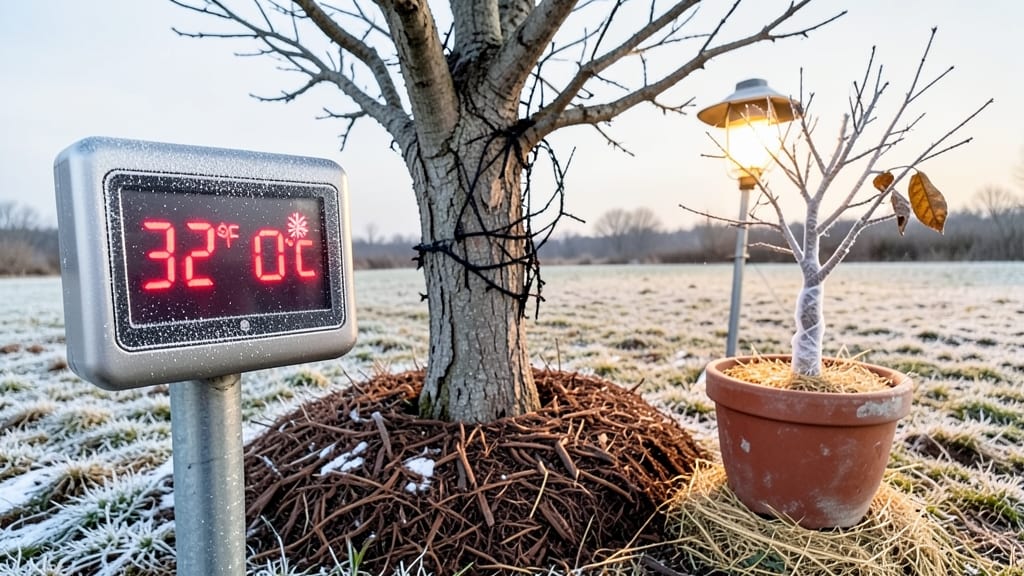
Mango trees can't survive winter in cold regions without protection, as they're tropical plants thriving only in USDA Zones 10-11. Temperatures below 30°F cause irreversible damage to leaves, bark, and roots, while cold-hardy varieties like 'Ice Cream' or 'Julie' may endure brief chills. Most require mulching, wrapping, or indoor relocation to prevent frost damage or death.
Mango trees originate from tropical climates where temperatures rarely drop below 60°F, making them extremely vulnerable to frost. 🌱 The damage starts when cells freeze and rupture, causing brown spots on leaves, cracked bark, and even root death.
Even in marginally cold zones like 9 or 8, you'll need to implement protective measures like thick mulch layers or frost blankets. I've seen gardeners successfully overwinter potted mango trees in unheated garages, which is often the safest approach for regions with harsh winters.
For those in USDA Zones 9-8, focus on creating microclimates—planting near south-facing walls or using windbreaks can raise temperatures by 5-10°F. Cold-hardy varieties aren't truly frost-resistant but can handle brief dips to 25°F with proper care.
The key is acting before the first frost hits, as prevention is always easier than repair.
💡 In This Article
- Mango Tree Cold Tolerance and USDA Zone Limits
- Winter Protection Strategies for Mango Trees
Mango tree cold tolerance and USDA Zone limits
Mango trees (Mangifera indica) evolved in tropical Southeast Asia, where temperatures hover between 65-95°F year-round. This tropical heritage means their cells lack the antifreeze proteins found in cold-hardy plants like apple trees, making them highly sensitive to frost.
When temperatures drop below 50°F, the tree's metabolic processes slow dramatically, and any exposure to 32°F or lower triggers cellular damage through ice crystal formation in leaves and stems.
The ideal growing range for mango trees spans USDA Zones 10-11, where winter lows rarely dip below 40°F. In these zones, mature trees can produce fruit reliably, but even brief dips to 28°F cause leaf burn and flower damage.
The real danger zone starts at 25°F, where bark cracks and root systems begin to fail. Cold-hardy varieties like 'Ice Cream' or 'Julie' can tolerate 25-28°F for short periods, but their resilience comes at the cost of smaller fruit size and reduced yield.
What happens at the cellular level? Frost causes water within plant cells to expand as it freezes, rupturing cell walls and disrupting nutrient transport. You'll first notice brown, crispy patches on leaves—this is called frost burn—and eventually, the entire canopy may blacken.
The bark can split along its length, creating entry points for fungal infections. Roots, being underground, are particularly vulnerable to prolonged cold, as they can't recover from freezing like above-ground growth can.
Geographically, this means mango trees struggle in most of the continental U.S. outside Florida and southern California. Even in marginally cold zones like Zone 9, where winter lows reach 20-25°F, trees require constant protection.
The science is clear: without intervention, a mango tree's chance of survival in Zone 8 or colder drops to nearly zero, as extended exposure to 20°F or below will kill even the hardiest varieties.
Consider this comparison: while a citrus tree in Zone 9 might survive with proper winter care, a mango tree in the same zone will need active protection during frost events. The difference lies in their evolutionary adaptations—citrus trees have some cold tolerance, but mangoes remain strictly tropical.
This is why gardeners in Zone 9 often treat mango trees as annuals or relocate them indoors each winter.
For those in Zones 10-11, the challenge shifts to managing heat stress rather than cold. In these ideal zones, mango trees thrive year-round, but they still benefit from afternoon shade during peak summer months to prevent sunburn on young leaves.
The key takeaway is that mango trees are not built for cold climates—their survival depends entirely on human intervention to mimic their tropical environment.