
Pruning
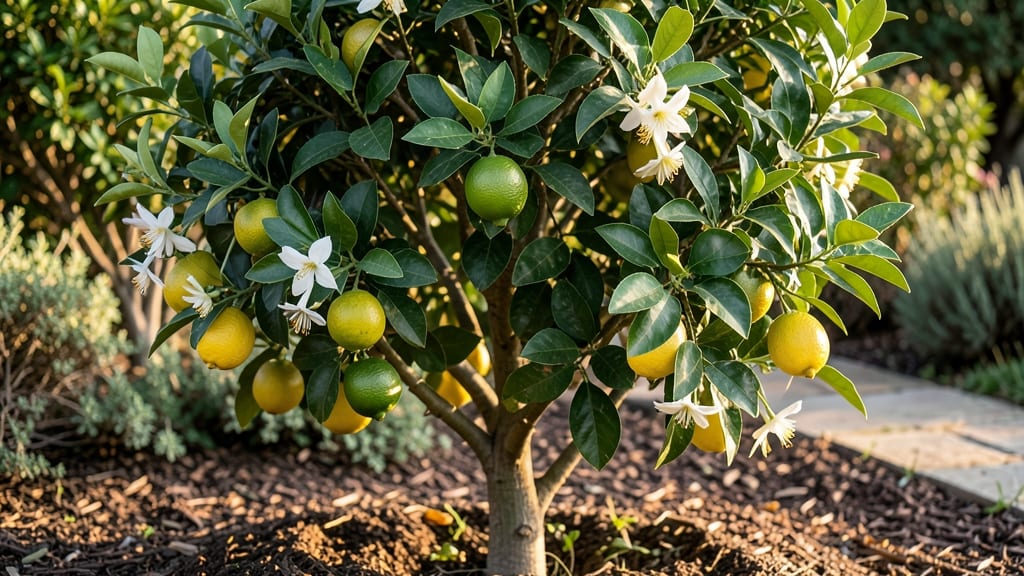
Meyer lemon trees grow best in USDA zones 9-11 but can survive brief cold snaps down to 25°F (-4°C). Younger trees require extra protection below 30°F (-1°C), while cold-hardy varieties like 'Improved Meyer' may endure 20°F (-7°C) with proper winter care. Planting in well-drained soil and using thick mulch helps protect roots during frost.
Understanding your Meyer lemon tree zone isn't just about the numbers—it's about how your specific variety handles temperature shifts. 🌱 The 25°F (-4°C) threshold applies to mature trees with established root systems, but younger plants lack the resilience to recover from sudden cold snaps.
That's why gardeners in zones 8-9 often overwinter their trees in containers or use frost blankets. The 'Improved Meyer' variety stands out because its hybrid vigor gives it that extra 5°F (-3°C) buffer, making it a top choice for cooler climates.
What truly makes the difference isn't just the temperature reading, but how quickly the temperature drops. A slow-moving 20°F (-7°C) frost gives roots time to adjust, while a sudden freeze can cause irreversible damage.
That's why I always recommend monitoring your local microclimate—valleys and low-lying areas often get colder than official zone maps suggest. For container-grown trees, bringing them indoors before temperatures dip below 40°F (4°C) gives them the best chance of survival through winter.
💡 In This Article
- Meyer Lemon Tree Cold Hardiness Science: How Temperature Affects Survival
- Winter Care Guide: Protecting Meyer Lemon Trees in Marginal Zones
Meyer lemon tree cold hardiness science: how temperature affects survival
Meyer lemon trees aren't just sensitive to cold—they suffer from what scientists call "freeze-induced dehydration." When temperatures drop below 30°F (-1°C), the water inside plant cells begins to crystallize, rupturing cell membranes and disrupting nutrient transport.
This damage happens most severely between 28°F (-2°C) and 25°F (-4°C), where ice formation becomes widespread in the leaves and stems. The tree's natural antifreeze proteins can only handle so much—typically up to 28°F (-2°C) for mature specimens, but younger trees lack these protective compounds in sufficient quantities.
The key difference between standard Meyer lemons and cold-hardy varieties like 'Improved Meyer' lies in their genetic makeup. Hybrid vigor from the Poncirus trifoliata (trifoliate orange) parent gives 'Improved Meyer' an extra 5°F (-3°C) buffer, pushing its tolerance to 20°F (-7°C).
This hybrid also develops thicker, waxier leaves that resist moisture loss during cold snaps. 🌱 What's fascinating is how the tree's growth stage affects survival—buds and new shoots are far more vulnerable than established wood, which is why winter pruning should be minimal until after the last frost risk has passed.
Here's where USDA zone maps become misleading: they represent average minimum temperatures over 30 years, but don't account for sudden cold snaps. A 20°F (-7°C) event in zone 9 might only occur once every 10 years, but that single night could devastate an unprotected tree.
The real threshold for safe outdoor growth is actually 25°F (-4°C) for short durations, while prolonged exposure below 30°F (-1°C) will eventually kill even mature trees. That's why gardeners in marginal zones need to combine zone knowledge with real-time weather monitoring.
Root temperature plays an even bigger role than air temperature. Soil stays warmer than air but can still drop below freezing in winter. When soil temperatures hit 32°F (0°C), root activity slows dramatically, and below 28°F (-2°C), roots begin to suffer permanent damage.
This is why well-drained soil with organic matter is crucial—it insulates roots better than dense clay. The best growing medium for cold resilience contains 30-40% compost mixed with sand or perlite to prevent waterlogging, which exacerbates cold damage by creating ice lenses that rupture roots.
What most people don't realize is how light affects cold tolerance. Trees grown in full sun develop thicker bark and more robust root systems, giving them better cold resistance than those in shade. The photosynthesis from summer sunlight builds up starch reserves that act as natural antifreeze.
That's why I always recommend planting Meyer lemons in the sunniest spot possible—even if it means sacrificing a bit of shade for that extra 2-3°F (-1.5°C) of protection during winter.
For container-grown trees, the cold tolerance drops even further to 28°F (-2°C) because potted soil freezes more quickly than ground soil. The lack of ground insulation means roots are exposed to temperature swings that ground-planted trees don't experience.
This is why container overwintering becomes essential in zones 8-9—moving trees indoors before temperatures drop below 40°F (4°C) gives them the best chance of surviving through winter.