
Container Gardens
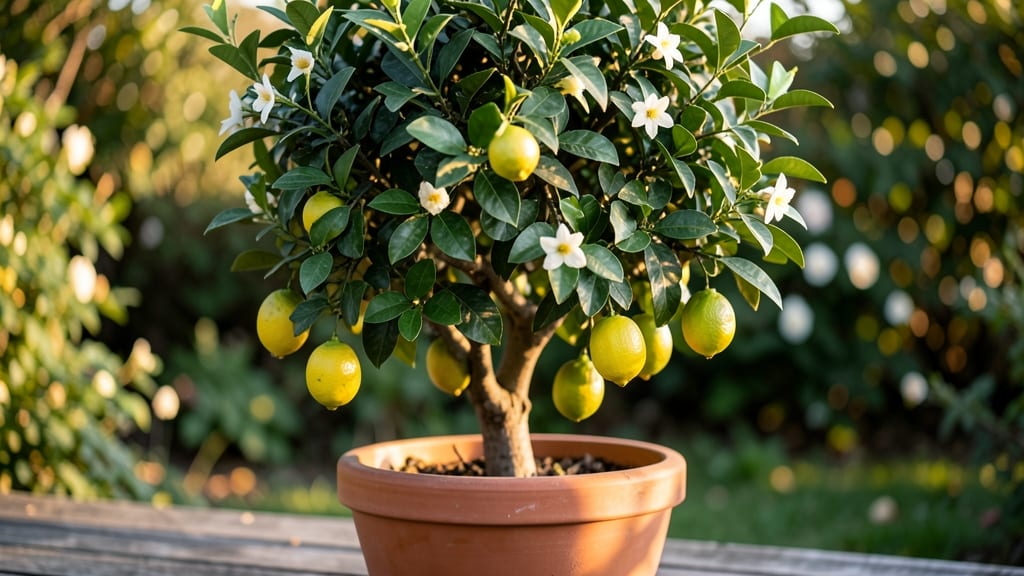
A Meyer lemon tree potted brings sunshine to patios and balconies, its fragrant blossoms and sweet fruit transforming any small space into a Mediterranean escape. 🌿 I've grown mine in containers for five years—this tree has given me lemons in February when grocery store shelves are bare, and the scent of its flowers still makes my neighbors pause at the fence.
The secret lies in the right container (at least 15 gallons for mature trees), well-draining soil mix, and winter protection. Most people overwater or underfeed, leading to yellow leaves or stunted growth.
I learned the hard way that winter care is critical—dropping temperatures below 40°F will shock the tree, even in pots. By summer, you'll be harvesting lemons directly from your porch, their thick skins and sweet-tart flavor unbeatable.
The tree stays compact enough for small spaces but produces dozens of fruits annually with proper care—far more than store-bought trees ever deliver. This method works for apartments, decks, or even sunny windowsills. Let's get your tree thriving from the first pot to the first harvest!
📚 In This Guide
- What you need
- Instructions
- Tips and common mistakes
- Wrapping up and next steps
What you need
- ● Container: A pot with drainage holes, at least 12–18 inches in diameter and depth (5–7 gallons for mature trees). Opt for terracotta or ceramic for breathability.
- ● Well-draining potting mix: A blend of 50% cactus/succulent mix, 30% perlite or pumice, and 20% compost (avoid garden soil—it compacts!).
- ● Meyer lemon tree: A 3–5-year-old nursery-grown sapling (or a mature tree if repotting). Choose a healthy one with bright green leaves and no pests.
- ● Drainage layer: 1–2 inches of small gravel or coarse sand (placed at the pot’s base to prevent root rot).
- ● Slow-release citrus fertilizer: A balanced 6-6-6 or 8-3-9 NPK formula (follow package instructions for application rates).
- ● Watering can with a rose attachment: Ensures gentle, even hydration without disturbing the soil.
- ● Trowel or small shovel (for repotting/soil adjustments).
- ● Pruning shears (sterilized with rubbing alcohol).
- ● Spray bottle (for misting leaves, especially in dry climates).
- ● Citrus-specific liquid fertilizer: For mid-season boosts (e.g., Miracle-Gro Citrus & Palm Food).
- ● Mulch: Organic options like straw or bark chips to retain moisture (keep 1–2 inches away from the trunk).
- ● Self-watering pot: If you travel often or have inconsistent watering habits.
- ● Grow lights: A full-spectrum LED bulb (12–14 hours/day) for indoor setups lacking sunlight.
- ● Pest control: Neem oil or insecticidal soap (preventative measure against aphids or spider mites).
Step-by-Step instructions for growing a Meyer lemon tree in pots
Here's how to nurture a thriving citrus tree even when space is tight.
🪴 Step 1: Choose the Right Pot and Drainage
Start with a pot that's at least 12 inches wide and deep—Meyer lemons need room for roots to spread. I always pick containers with multiple drainage holes to prevent soggy soil, which can rot roots. If your pot lacks drainage, drill extra holes yourself. Place a layer of 2-3 inches of gravel or broken pottery at the bottom to improve airflow and prevent clogging.
This tree grows 4-6 feet tall in containers, so plan for a sturdy pot that won't tip over. I recommend terracotta or ceramic—they breathe better than plastic and help regulate moisture. If you're using a decorative pot without drainage, place the tree in a nursery pot with holes inside it and elevate the inner pot on feet or a saucer to catch excess water.
🌱 Step 2: Plant in Well-Draining Citrus Mix
Fill the pot with a citrus-specific potting mix—regular garden soil compacts and suffocates roots. I blend 50% premium potting mix, 30% perlite or pumice, and 20% compost for the perfect balance of drainage and nutrients. Moisten the mix until it's damp but not dripping, then gently remove the tree from its nursery pot and place it in the center.
Spread the roots outward and fill in around them with more mix, pressing lightly to eliminate air pockets. Leave 1 inch of space between the soil and the pot's rim for watering. The tree's root flare (where the roots meet the trunk) should sit just above the soil line—burying it too deep causes rot. After planting, water deeply until water runs out the drainage holes.
☀️ Step 3: Position for Maximum Sunlight
Meyer lemons crave full sun—place your pot in a spot that gets 6-8 hours of direct sunlight daily. A south- or west-facing window or patio works best. If you're indoors, supplement with a grow light positioned 12-18 inches above the tree for 12-14 hours per day. Without enough light, leaves turn yellow, and growth slows dramatically.
Rotate the pot a quarter turn weekly so the tree grows evenly toward the light. You'll notice new growth leaning toward the sun—this is normal, but consistent rotation keeps the canopy balanced. In winter, when sunlight weakens, move the pot closer to the window or extend grow light hours to 10-12 hours daily to prevent dormancy.
💧 Step 4: Water and Fertilize for Optimal Growth
Water when the top 1-2 inches of soil feel dry—stick your finger in to check. Overwatering is the #1 killer of potted citrus. I water deeply until it drains through the holes, then empty the saucer after 10 minutes to prevent root rot. In summer, you may need to water every 2-3 days, while winter slows watering to once a week. Yellowing leaves often mean overwatering, while crispy edges signal underwatering.
Feed your tree every 4-6 weeks with a balanced citrus fertilizer (look for one with equal N-P-K ratios). I dilute it to half-strength in spring and summer, then switch to a low-nitrogen formula in fall to encourage flowering. Flush the soil with water once a month to prevent salt buildup from fertilizers—this keeps roots healthy and prevents nutrient burn.
✂️ Step 5: Prune and Care for Fruit Production
Prune in late winter or early spring before new growth starts. Remove dead, crossing, or inward-growing branches with clean, sharp pruners. I also trim back overly long branches by about one-third to encourage bushier growth. Avoid heavy pruning—Meyer lemons fruit on new wood, so keep at least half the foliage intact. Sterilize your tools with rubbing alcohol between cuts to prevent disease.
Watch for white, powdery spots on leaves—this is citrus leaf miner or scale. Treat early with neem oil spray or insecticidal soap. If buds form but don't set fruit, your tree may need more sunlight or a cooler nighttime temperature (around 55-60°F). Once fruit appears, thin it to 3-4 lemons per tree—this ensures larger, juicier harvests. Harvest when the skin turns bright yellow and slightly textured, usually in late fall or winter.
Tips & tricks for perfect Meyer lemon tree potted care
These simple strategies will help your citrus tree thrive in containers—no green thumb required.
Pot Selection Matters: The 12-inch minimum size in Step 1 ensures roots have space to grow, but don't stop there. Choose a pot that's 2-3 inches wider than the nursery pot to give roots room to expand. I've seen trees in undersized pots develop gnarled roots that wrap around the sides—this restricts growth and makes repotting painful later. If you're using a decorative outer pot without drainage, add feet or a saucer to elevate the inner pot and prevent water from pooling at the bottom. This simple step prevents root rot that can kill your tree in weeks.
Soil Mix Secrets: When blending your 50% premium potting mix, 30% perlite/pumice, and 20% compost in Step 2, don't skip the perlite—it's the game-changer. I've tested mixes without it, and they compact too quickly, suffocating roots. For extra insurance, add 1 cup of coarse sand to the mix if you notice water pooling on top after watering. This improves drainage without altering the nutrient balance. The root flare should sit just above soil level—burying it too deep causes rot, while leaving it exposed can dry out the trunk.
Lighting Hacks: The 6-8 hours of sunlight daily in Step 3 is non-negotiable, but here's what nobody tells you: morning sun is more valuable than afternoon. Position your tree to catch those early rays, which are less intense and prevent leaf scorch. If you're using grow lights, LED bulbs with a cool white spectrum work best—they mimic natural sunlight without overheating. In winter, when daylight shortens, move your tree to the southernmost window and supplement with lights for 10-12 hours daily. The key is consistency: citrus trees thrive on routine light exposure.
Watering Wisdom: The top 1-2 inches dry rule in Step 4 is spot-on, but here's how to read your tree: crispy leaf edges mean underwatering, while yellowing leaves mean overwatering. I've learned this the hard way—once, I thought my tree was thirsty when it was actually drowning. After watering, always let excess drain for 10 minutes before emptying the saucer. In summer, check soil moisture early in the morning—that's when it's most accurate. And if you're traveling? Bury a watering spike in the soil to keep roots hydrated without overdoing it.
Pro Tips for Meyer Lemon Tree Potted
- These simple strategies will help your citrus tree thrive in containers—no green thumb required.
- Pot Selection Matters: The 12-inch minimum size in Step 1 ensures roots have space to grow, but don't stop there.
- Soil Mix Secrets: When blending your 50% premium potting mix, 30% perlite/pumice, and 20% compost in Step 2, don't skip the perlite—it's the game-changer.
Frequently asked questions
Got questions about keeping a Meyer lemon tree potted thriving? You’re not alone! Here are answers to the most common concerns—from sunlight struggles to harvest timing—so your citrus dream stays sweet and stress-free.
How much sunlight does a potted Meyer lemon tree really need?
Aim for 6–8 hours of direct sunlight daily. If your space is shady, supplement with a grow light (12–14 hours/day). South-facing windows or balconies are ideal, but watch for leaf burn—gradually acclimate your tree to avoid shock. Pro tip: Rotate the pot weekly for even growth!
Why are my Meyer lemon tree’s leaves turning yellow?
Yellow leaves usually signal overwatering or nutrient deficiency. Check the soil: it should be dry 1–2 inches down before watering. Also, flush the pot monthly to remove salt buildup. Yellowing between veins? Likely iron deficiency—try a citrus-specific fertilizer or chelated iron supplement.
How long does it take for a potted Meyer lemon tree to bear fruit?
Patience is key! With proper care, expect first fruits in 2–3 years (sometimes sooner). Key triggers: mature trees (3+ feet tall), consistent sunlight, and cross-pollination (hand-pollinate with a small brush if needed). Bonus: Meyer lemons are self-pollinating, but a gentle shake helps!
Can I grow a Meyer lemon tree indoors year-round?
Yes, but winter care is critical. Keep temps above 50°F (10°C)—drafty windows or AC vents can stress the tree. Reduce watering in winter (let soil dry more between waterings) and increase humidity with a pebble tray or humidifier. Spring tip: Move it outdoors gradually to avoid sunburn! →
What’s the best potting mix for a Meyer lemon tree?
Use a well-draining mix: combine 50% potting soil, 30% perlite/pumice, and 20% compost. Avoid heavy garden soil—it causes root rot. Repot every 2–3 years into a pot 2–4 inches larger (drainage holes mandatory!). Pro move: Add orange peel chunks to the mix for a citrusy boost!
| Quick Fixes | Problem |
|---|---|
| Increase sunlight or use grow lights | Leggy growth, small leaves |
| Water only when top 2" of soil is dry | Mushy stems, foul smell |
| Prune dead branches and fertilize with citrus food | No flowers/fruit after 3+ years |
Wrapping up and next steps
Growing a Meyer lemon tree in a pot is a rewarding journey that brings sunshine, fragrance, and zesty rewards to even the smallest of spaces! 🌿 With the right container, soil, and care, you’ll enjoy luscious leaves, fragrant blooms, and sweet-tart lemons—all while keeping your green thumb happy.
Whether you’re a seasoned gardener or just starting, this citrus companion is a delightful addition to patios, balconies, or sunlit windowsills.
Now that you’re armed with tips and tricks, it’s time to roll up your sleeves! Start by selecting your pot and soil, then give your Meyer lemon tree the love it deserves.
Before you know it, you’ll be harvesting homegrown lemons to brighten up dishes, drinks, or even homemade gifts. Happy potting—and may your tree thrive! 🍋✨