
Trees
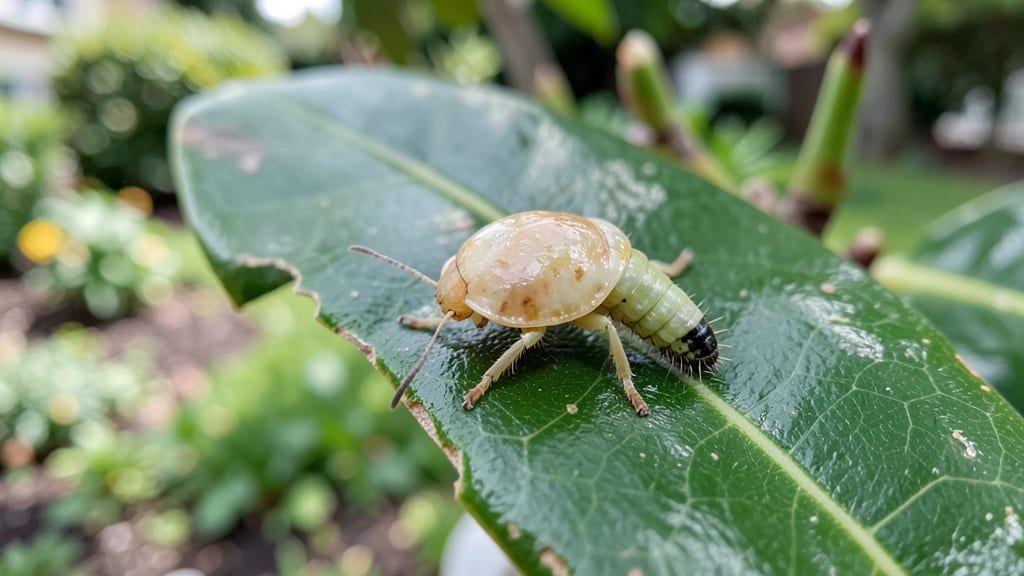
Magnolia tree insects can turn your stunning blooms into a skeleton of chewed leaves overnight. 🌿 I’ve watched lace bugs drain my tree’s vitality and scale insects smother branches—both leave behind sticky residue and wilted foliage that’s heartbreaking to see.
The key is catching these pests early, before they strip your tree bare or invite secondary infections.
Scale, lace bugs, and webworms are the usual suspects, each leaving distinct clues. Scale insects create waxy bumps on stems and undersides of leaves, while lace bugs leave yellow stippling on the upper leaf surface.
Webworms spin silk tents in branch crotches—if you see those, your tree is already under siege. The sooner you spot these signs, the easier it is to intervene before damage spreads.
Your first line of defense is a strong jet of water to knock off soft-bodied pests like lace bugs, followed by neem oil or insecticidal soap for a natural knockdown. For tougher infestations, horticultural oil in late winter (before buds break) smothers overwintering eggs.
Prune and destroy heavily infested branches to stop the cycle—just don’t toss them in your yard waste bin.
Prevention is about monitoring and timing. Inspect your magnolia every two weeks during growing season, and treat preventatively with neem oil in early spring and fall. Healthy trees resist pests better, so mulch properly, water deeply, and fertilize with slow-release granules in early spring.
A little vigilance now saves you from a full-blown infestation later.
Root Causes Of Magnolia Pests
Magnolia trees, with their stunning blooms and glossy foliage, can quickly become a buffet for hungry insects if conditions align. Understanding why these pests target your magnolia—and how environmental and biological factors play into their behavior—is the first step in stopping them before they cause serious damage.
Below, we break down the key reasons magnolia trees attract insects, from nutrient-rich leaves to seasonal triggers.
Magnolia leaves are packed with nitrogen, sugars, and soft tissue, making them a prime target for chewing and sap-sucking insects. Here’s why this happens:
- High Protein Content: Magnolia leaves contain amino acids and chlorophyll that many insects, like magnolia scale and webworms, crave.
These pests lack the enzymes to break down tougher plant materials, so they rely on magnolias’ softer, nutrient-dense foliage. - Lack of Natural Defenses: Unlike some trees (e.g., oaks or pines), magnolias don’t produce toxic resins or thick bark that deter insects.
Their smooth, thin bark and broad leaves make them easy prey. - New Growth Attraction: Young, tender leaves in spring are especially vulnerable because they’re high in water content and lack the protective wax coating of mature leaves. Insects like magnolia shoot borers zero in on this fresh growth.
💡 Pro Tip: If your magnolia is over-fertilized with nitrogen, it may produce even more lush, insect-friendly foliage. Use a balanced fertilizer (10-10-10 or 12-12-12) to reduce this risk.
Insects don’t attack magnolias randomly—they follow temperature, humidity, and seasonal cues. Here’s how climate plays a role:
| Season | Insect Activity | Why It Happens |
|---|---|---|
| Spring | Webworms, aphids, magnolia scale hatchlings | Warmth stimulates egg-laying and larval growth. Rainy springs create ideal humidity for soft-bodied pests. |
| Summer | Japanese beetles, borers, spider mites | High temps (80°F+) speed up insect metabolism, increasing feeding and reproduction rates. Drought-stressed trees become more susceptible. |
| Fall | Scale insects, overwintering eggs | Cooler temps slow insect activity, but some (like scale) molt and harden for winter, making them harder to treat. |
| Winter | Dormant pests (eggs, larvae) | Freezing temps kill some adults, but eggs survive in bark crevices or leaf litter, waiting for spring. |
✨ Key Insight: Sudden temperature swings (e.g., a warm winter) can trick insects into emerging early, giving them a head start on your tree.
A stressed or weakened magnolia is like an open invitation for pests. Common stress factors include:
- Overwatering or Underwatering: Both extremes disrupt root health, making trees more vulnerable to borers and scale. Wilting leaves signal stress, while mushy roots attract fungus-loving insects like root weevils.
- Compacted or Poor Soil: Clay-heavy or waterlogged soil restricts root growth, while nutrient-deficient soil weakens the tree’s immune response. Fungal diseases (e.g., powdery mildew) often follow, and insects like magnolia shoot borers exploit these conditions.
- Physical Damage: Broken branches, sun scald, or improper pruning create entry points for pests. Bark wounds attract borers, while pruning cuts too close to the trunk invite scale and mealybugs.
🔥 Warning Signs Your Tree Is Stressed:
- Yellowing leaves (chlorosis)
- Stunted growth
- Oozing sap or peeling bark
- Premature leaf drop
In a healthy ecosystem, predatory insects, birds, and beneficial microbes keep magnolia pests in check. But when this balance shifts, outbreaks occur:
- Loss of Natural Predators: Pesticide overuse (even years ago) can eliminate ladybugs, lacewings, and parasitic wasps that eat aphids, scales, and caterpillars. Monoculture landscapes (planting only magnolias) reduce biodiversity, leaving fewer predators.
- Invasive Species Outcompete Natives: Non-native pests (e.g., laurel wilt fungus or Asian longhorned beetles) have no natural enemies in North America, allowing them to spread unchecked.
- Urbanization Reduces Habitat: Paved yards, fewer native plants, and reduced bird populations mean fewer controls on pests like Japanese beetles or spider mites.
🌿 Solution: Plant companion plants like rosemary, lavender, or marigolds to attract beneficial insects. Avoid broad-spectrum pesticides that harm pollinators.
Sometimes, our own actions create the perfect conditions for magnolia pests:
- Over-Pruning: Removing too many leaves reduces the tree’s ability to photosynthesize, weakening it. Severe cuts also expose sap-filled wood, attracting borers and scale. - Ignoring Mulch Piles: Thick mulch near the trunk (especially organic mulch) can traps moisture, promoting fungal growth and scale infestations. - Buying Infested Plants: Nursery-bought magnolias may already host hidden pests like root-knot nematodes or scale eggs.
Always inspect new plants before planting.
🎯 Prevention Checklist:
- Space mulch 6+ inches from the trunk
- Prune in late winter/early spring (avoid summer cuts)
- Quarantine new plants for 2 weeks before planting
Practical Fixes for Tree Pests
When magnolia trees fall prey to insects, swift action is key to preventing lasting damage. Below are targeted solutions for common pests, paired with prevention strategies to keep your tree thriving.
Scale insects latch onto branches, draining sap and leaving sticky residue. Here’s how to evict them:
🍳 Step 1: Prune Heavily Infested Branches
- Use sterilized pruners to trim branches with visible scale clusters (white, brown, or black bumps).
- ⏰ When: Late winter or early spring, before new growth emerges.
👨🍳 Step 2: Apply Horticultural Oil
- Mix 2% horticultural oil with water (follow label instructions) and spray thoroughly on stems and leaves.
- ✨ Pro Tip: Reapply every 7–10 days for 2–3 weeks to suffocate eggs and adults.
🥘 Step 3: Scrub Stubborn Infestations
- For severe cases, use a soft brush dipped in soapy water (1 tsp mild dish soap per gallon) to scrub off scales.
- 💡 Warning: Avoid harsh chemicals near blooming flowers—they’ll harm pollinators!
🌡️ Prevention:
- 🌿 Encourage natural predators like ladybugs and parasitic wasps by planting companion flowers (e.g., alyssum, dill).
- 🎯 Inspect trees monthly during growing season for early signs (sticky sap, wilting leaves).
These larvae tunnel through leaves, turning them yellow and brittle. Act fast:
🔪 Step 1: Remove Damaged Leaves
- 🍃 Collect and destroy heavily mined leaves (do not compost—they harbor larvae).
- ⏰ When: Early spring or fall, before adults emerge.
👨🍳 Step 2: Use Insecticidal Soap or Neem Oil
- Spray neem oil (1 tbsp per gallon of water) or insecticidal soap directly on both sides of leaves.
- 🔥 Repeat: Every 5–7 days for 3 weeks to break the life cycle.
🥘 Step 3: Install Yellow Sticky Traps
- Hang yellow sticky traps near the tree to catch adult flies before they lay eggs.
- 💡 Pro Tip: Place traps 6–8 feet high for best results.
🌡️ Prevention:
- 🌿 Thin foliage to improve airflow—miners thrive in dense, humid conditions.
- 🎯 Apply kaolin clay (a natural barrier) to leaves to deter egg-laying.
These caterpillar-like pests skeletonize leaves, leaving a lace-like pattern. Here’s how to stop them:
🍳 Step 1: Handpick Larvae
- 🕷️ Drop them into soapy water—they’re easy to spot (green, fuzzy, and fast-moving).
- ⏰ When: Late spring to early summer (peak feeding time).
👨🍳 Step 2: Apply Bacillus thuringiensis (Bt)
- Spray Bt kurstaki (a natural bacteria) on leaves—it’s safe for humans and pets but deadly to larvae.
- ✨ Pro Tip: Reapply after heavy rain or every 7–10 days.
🥘 Step 3: Use Row Covers for Young Trees
- 🌿 Cover new growth with fine mesh netting to block adult flies from laying eggs.
- 💡 Warning: Remove covers during pollination season (early spring).
🌡️ Prevention:
- 🌿 Plant trap crops like willow or birch nearby to distract sawflies.
- 🎯 Mulch with cedar chips—sawflies dislike the scent!
For all magnolia pests, these habits reduce future infestations:
| Action | How to Do It | Best Time |
|---|---|---|
| 🌿 Prune for sunlight | Thin canopy to reduce humidity. | Late winter |
| 💦 Water at base | Avoid overhead watering (encourages fungus). | Early morning |
| 🌱 Soil health | Add compost to boost tree resilience. | Spring or fall |
| 🐞 Beneficial nematodes | Apply Steinernema feltiae to soil for underground pests. | Early spring or fall |
💡 Final Tip: When in doubt, consult a local arborist—some pests (like the magnolia scale) may require systemic treatments for stubborn cases. Early action saves your tree!
Frequently asked questions about magnolia tree pests
What are the most common signs my magnolia tree has insects?
Look for sticky residue (honeydew) on leaves or branches—this is a dead giveaway for scale insects. Yellow stippling on upper leaves or lace-like patterns indicate lace bugs, while silk tents in branch crotches mean webworms are present. Check undersides of leaves too—many pests hide there!
Can I use neem oil on blooming magnolia flowers?
Yes, but with caution! Neem oil is safe for pollinators when applied after flowers open. Avoid spraying during peak bloom (when bees are active) to protect beneficial insects. For extra safety, apply in early evening when pollinators are less active, and always follow label instructions for dilution.
How do I know if my magnolia has scale vs. spider mites?
Scale insects appear as small, waxy bumps on stems or leaf undersides, while spider mites create fine webbing between leaves and leave tiny yellow speckles. Use a magnifying glass—scale is stationary, but mites are barely visible and move quickly. Tap leaves over white paper: scale falls as bumps, mites scatter like tiny dots.
Will pruning help control magnolia pests?
Prune infested branches in late winter before buds break, and always sterilize tools with rubbing alcohol to prevent spreading pests. Remove heavily damaged leaves (especially from webworms) and dispose of them in sealed bags. Thin the canopy to improve airflow—pests thrive in dense, humid conditions.
Are there any natural predators that help control magnolia pests?
Yes! Ladybugs, parasitic wasps, and lacewings eat scale and lace bugs, while birds and praying mantises target caterpillars. Attract them by planting companion flowers like alyssum or dill near your magnolia. Avoid broad-spectrum pesticides—they kill these beneficial insects too!