
Pruning
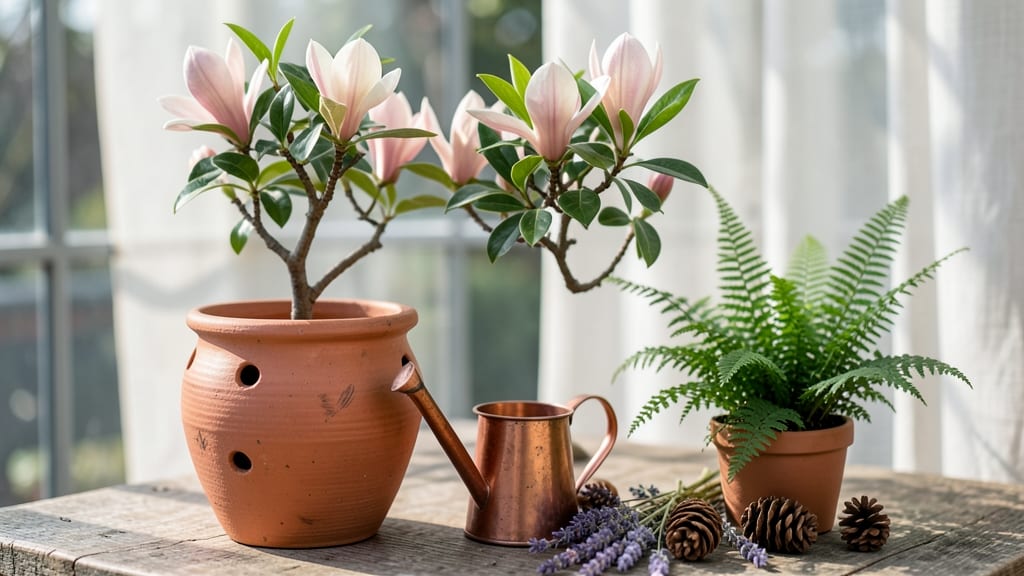
Gifting a magnolia tree means giving someone a living masterpiece that blooms in spring, shines in summer, and adds texture in winter. 🌸 The moment I saw my first magnolia in full bloom, I knew it wasn’t just a plant—it was a statement.
These trees carry deep symbolism of resilience and beauty, making them perfect for weddings, anniversaries, or simply to brighten someone’s garden. The best varieties for gifting balance size and impact: dwarf 'Little Gem' stays manageable, while fragrant 'Saucer Magnolia' fills the air with intoxicating scent.
For a bold statement, 'Teddy Bear' offers velvety foliage year-round. Each variety arrives as a potted plant or bare-root sapling, ready to be planted and cherished for decades.
Imagine the first time they see those large, showy blooms in their yard—it’s a gift that keeps giving, even when not in flower. The glossy leaves add structure, and the bark becomes a winter focal point. This isn’t just a plant; it’s a legacy wrapped in petals.
Perfect for gardeners, homeowners, or anyone who appreciates timeless beauty. Here’s how to make it unforgettable—from presentation to planting tips.
📚 In This Guide
- What you need
- Instructions
- Tips and common mistakes
- Wrapping up and next steps
What you need
- ● Magnolia tree: Choose a healthy, potted Magnolia grandiflora (Southern magnolia) or Magnolia stellata (star magnolia) for gifting. Size depends on recipient space (3–5 gallon pot for small gifts; larger pots for mature trees).
- ● High-quality potting soil: 1–2 bags of well-draining, acidic soil mix (pH 5.0–6.5). Avoid generic garden soil.
- ● Pot or planter: For gifting: A decorative fiberglass, ceramic, or woven basket (12–18" diameter for small trees; 20"+ for mature ones).
- ● For planting: A pot with drainage holes and a saucer.
- ● Pruning tools: Bypass pruners (for clean cuts on small branches).
- ● Loppers (for thicker branches, if pruning mature trees).
- ○ Sharp pruning saw (optional, for large branches).
- ○ Root stimulator: 1 small bottle of mycorrhizal fungi or rooting hormone (optional but helpful for transplant shock).
- ● Mulch: 1–2 bags of pine bark or wood chips (for moisture retention and aesthetics).
- ● Decorative accents: Ribbon, jute twine, or a custom plant label with the recipient’s name.
- ● Care guide: Printed instructions on watering, pruning, and sunlight needs (include in a cute envelope!).
- ● Fertilizer: Slow-release azalea/camellia fertilizer (magnolias love acidic nutrients!).
- ● Gift wrapping: Burlap, kraft paper, or a themed gift box (e.g., "Garden of Serenity" for a spa-like vibe).
- ● Basic knowledge of pruning techniques (or a willingness to learn—magnolias bloom on old wood, so avoid heavy pruning!).
- ● Access to a well-ventilated outdoor space (magnolias need partial shade to full sun).
- ● Patience! Magnolias grow slowly but reward with decades of beauty—perfect for a gift that keeps giving. 🌸
How to select and plant a magnolia tree as a timeless gift
This is the gift that keeps giving—lush foliage, fragrant blooms, and decades of beauty in one package.
🌱 Step 1: Choose the Perfect Magnolia Variety for Your Recipient
Magnolias come in sizes and bloom times to match any space and season. For small gardens or containers, the Saucer Magnolia (Magnolia × soulangeana) is perfect—its 3-foot height and early spring blooms make it a showstopper. If your recipient loves summer fragrance, the Sweetbay Magnolia (Magnolia virginiana) delivers creamy white flowers that perfume the air from June through August.
For bold statement plants, the Southern Magnolia (Magnolia grandiflora) grows 60-80 feet tall with leathery, evergreen leaves and foot-long blooms that last all summer. Measure the intended planting spot—Southern Magnolias need 20 feet of clearance for mature spread. I always ask about sunlight: full sun to partial shade works for most varieties, but Saucer Magnolias thrive in morning sun with afternoon shade in hot climates.
🪴 Step 2: Prepare the Planting Site for Long-Term Health
Magnolias hate soggy roots but need consistent moisture during establishment. Dig a hole twice as wide as the root ball but no deeper—planting too deep suffocates roots. Loosen the soil at the bottom of the hole with your hands or a trowel to encourage root spread. If your soil drains poorly, amend the bottom 6 inches with 1 part compost to 3 parts native soil—this improves aeration without overwhelming the plant.
For container-grown trees, gently tease the roots outward if they’re circling the pot. Place the magnolia in the hole so the top of the root ball sits 1-2 inches above ground level—this prevents settling and root exposure. Backfill with the native soil you removed, pressing lightly to eliminate air pockets. Water deeply until the soil 12 inches down feels moist, then let it drain completely before adding 2-3 inches of mulch (keep mulch 6 inches away from the trunk to prevent rot).
☀️ Step 3: Plant and Stake for Stability (If Needed)
Magnolias have tough roots but benefit from temporary support if planted in windy areas or heavy clay soil. Use two stakes driven 6 inches deep, positioned opposite each other about 1 foot from the trunk. Attach them with soft tree ties (never wire)—tighten just enough to hold the tree upright. Leave the ties loose enough to slide up as the trunk grows over the first year. If your magnolia is under 6 feet tall, you can skip staking entirely unless winds exceed 20 mph regularly.
Water deeply every 3-5 days for the first month, then taper to once a week once new growth appears. Magnolias wilting signals root stress—don’t wait until leaves droop. Instead, check soil 2 inches down: if it’s dry, water again. In hot climates, mulch helps retain moisture, but in rainy areas, ensure the hole has proper drainage to avoid waterlogged roots.
✂️ Step 4: Prune for Shape and Encourage Future Blooms
The best time to prune is right after flowering, when the plant has finished its energy burst for the season. Remove dead, crossing, or rubbing branches first—these compete for nutrients and create entry points for disease. For young trees, focus on open-center shape: trim back 1-2 branches that grow toward the center to improve airflow. Avoid topping (cutting the main stem)—this stresses the tree and reduces future blooms.
Mature magnolias rarely need pruning, but if you’re shaping a smaller variety, limit cuts to no more than 25% of the canopy in a single session. Sterilize your pruners with rubbing alcohol between cuts to prevent bacterial spread. After pruning, apply a balanced fertilizer (10-10-10) around the drip line—this is where 80% of feeder roots live. Water deeply afterward to help roots absorb nutrients.
🌿 Step 5: Maintain Year-Round for Decades of Gifts
Magnolias are low-maintenance once established, but annual care keeps them thriving. In spring, rake away old mulch and replace with 2-3 inches of fresh, then fertilize if new growth is slow. Summer watering depends on your climate: 1 inch per week in most regions, but drought-tolerant varieties like Magnolia stellata need less. Fall is the time to remove spent blooms (except on evergreens) and check for pests—magnolias rarely have issues, but scale insects hide under buds.
Here’s the thing—magnolias grow slowly, so patience pays off. A 5-gallon tree might take 3-5 years to bloom, but once it does, it’s a generational gift. I’ve seen Southern Magnolias in my clients’ yards that were planted 50 years ago—still producing foot-long flowers and shade for afternoon naps. The key is consistent care, not constant effort. With this approach, your magnolia gift will outlast every other present given this season.
Tips & tricks for perfect magnolia tree planting
Here's what nobody tells you about making your magnolia tree gift truly unforgettable—these secrets turn a good planting into a generational masterpiece.
Variety Selection Wisdom: When choosing a magnolia variety, consider the recipient's lifestyle. For urban balconies or small yards, the Saucer Magnolia is my go-to because its 3-foot height fits perfectly in tight spaces while still delivering dramatic spring blooms. For those who love summer fragrance, the Sweetbay Magnolia is underrated—its creamy white flowers perfume the air for months. Pro tip: If you're gifting to someone with a large property, the Southern Magnolia becomes a legacy piece, but always confirm they have 20 feet of clearance for its mature spread.
Soil Preparation Secret: The 6-inch compost blend at the bottom of the planting hole is non-negotiable for poor-draining soils. I've seen magnolias fail within months because roots suffocated in compacted clay. For container-grown trees, gently teasing the roots outward prevents that "pot-bound" shock. And here's the thing about mulch—2-3 inches is perfect, but keep it 6 inches away from the trunk to prevent rot. This might seem like overkill, but I've watched too many beautiful trees decline from improper mulching techniques.
Staking Strategy: Most people overlook the staking details, but this is where you prevent years of unnecessary stress. Use two stakes positioned opposite each other about 1 foot from the trunk, not closer. The 6-inch depth ensures they won't pull out in wind, and soft tree ties (never wire!) allow the trunk to grow without constriction. Skip staking entirely for trees under 6 feet tall unless you're in hurricane country—magnolias are tougher than they look.
Pruning Precision: The right after flowering window is critical because that's when the tree has finished its energy burst for the season. When shaping young trees, focus on removing 1-2 branches growing toward the center—this creates that perfect open shape without shocking the plant. And never top a magnolia! I've seen this mistake ruin future blooms time and again. After pruning, that 10-10-10 fertilizer application around the drip line gives roots exactly what they need to recover.
Pro Tips for Magnolia Tree Gift
- Here's what nobody tells you about making your magnolia tree gift truly unforgettable—these secrets turn a good planting into a generational masterpiece.
- Variety Selection Wisdom: When choosing a magnolia variety, consider the recipient's lifestyle.
- Soil Preparation Secret: The 6-inch compost blend at the bottom of the planting hole is non-negotiable for poor-draining soils.
Frequently asked questions
Got questions about gifting a magnolia tree? Here are some of the most common ones—plus straightforward answers to help you make the best choice!
When is the best time to give a magnolia tree as a gift?
A magnolia tree thrives when planted in early spring (after the last frost) or fall (before the first frost). If gifting a potted magnolia, spring is ideal—it gives the recipient time to acclimate before outdoor planting. For bare-root trees, late winter is perfect! Avoid gifting during extreme heat or cold.
How do I ensure the magnolia tree survives after being gifted?
Wrap the roots in burlap or a breathable container if planting isn’t immediate. Keep the soil moist (but not soggy) and place the tree in partial shade for a few days to reduce transplant shock. If gifting a potted magnolia, include a care card with watering tips and sunlight preferences—most varieties love morning sun and afternoon shade.
Can I gift a magnolia tree in a small pot, or does it need a large one?
Start with a 5-gallon or larger pot for young magnolias to allow root growth. Smaller pots (1-3 gallons) work for short-term gifting but may stunt growth. If the recipient plans to plant it soon, a 15-gallon container is ideal for 1-2 years of potted life. Drainage holes are a must—magnolias hate "wet feet."
What’s a good alternative if I can’t find a magnolia tree?
Consider these fragrant, low-maintenance alternatives:
- Japanese Maple – Stunning foliage, compact size, and symbolic meaning.
- Crape Myrtle – Drought-tolerant with vibrant summer blooms.
- Dwarf Gardenia – Sweetly scented and perfect for small spaces.
- Orchid Tree (Bauhinia) – Fast-growing with dramatic pink/white flowers.
Why did my magnolia tree’s leaves turn yellow after gifting?
Yellowing leaves usually signal overwatering, poor drainage, or transplant shock. Check the soil—it should be slightly dry between waterings. Ensure the pot has drainage holes and the tree isn’t sitting in saucers of standing water. If the yellowing is on older leaves, it’s often natural aging; new growth should stay green.
Still unsure? Drop a comment below—we’re happy to help you pick the perfect magnolia gift!
Wrapping up and next steps
A magnolia tree gift isn’t just a plant—it’s a timeless investment in beauty, serenity, and lasting memories. Whether you’re gifting a fragrant bloom for spring or a sturdy evergreen for year-round charm, this elegant choice speaks volumes about thoughtfulness and care. 🌸
Ready to plant your intention? Start by researching the best variety for your climate, then share the joy of nurturing growth—one pruning session at a time! 🌱 Your next step? Pick a magnolia, dig in, and watch your gift bloom into something extraordinary.