
Pruning
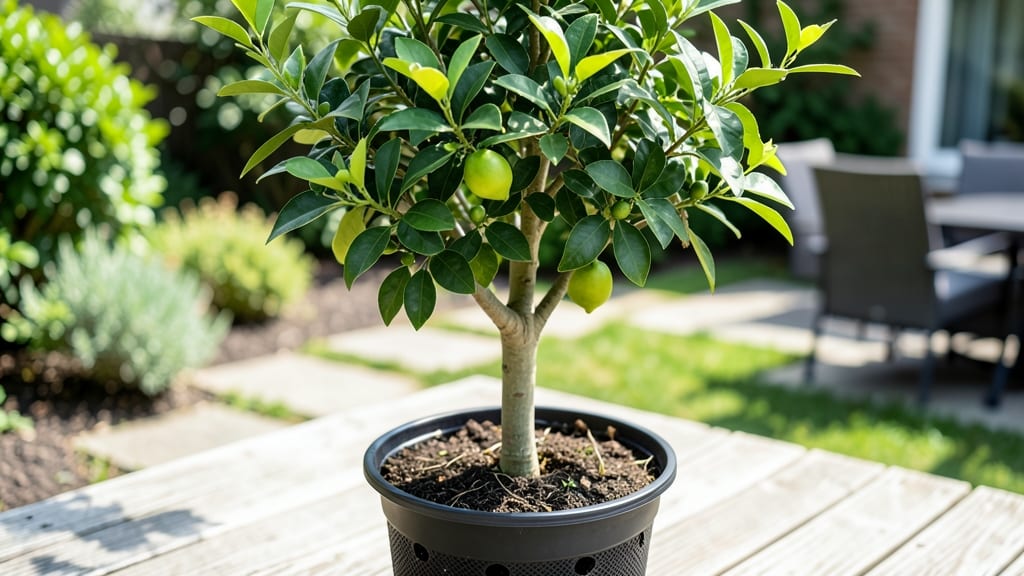
A 3-gallon tree size means you're starting with a sapling that's usually 12–24 inches tall, but its full-grown height can range dramatically—from dwarf varieties under 10 feet to towering species reaching 30 feet or more. Fast growers like willow or silver maple can add 2–3 feet per year, while slower trees like oak or pine take decades to mature. Always verify the species tag for precise growth expectations.
A 3-gallon tree's early height is just the beginning—the real story is in its growth trajectory. 🌱 Most nursery trees at this stage are young saplings with minimal root systems, so their first few years focus on establishing roots before significant height gains.
For example, a weeping willow might only grow 1–2 feet its first year but then double that in subsequent years once its roots spread.
The key difference between fast and slow growers comes down to genetics: willows and maples have evolved to maximize vertical growth quickly, while oaks prioritize strength over speed.
If you're working with limited space, consider dwarf varieties like columnar apple trees, which stay under 10 feet while still producing fruit.
What surprises many gardeners is how much pruning in the first year can influence a tree's eventual shape and growth rate. Over-pruning can stunt early development, while strategic cuts to encourage upward growth can help fast growers reach their potential quicker.
I always recommend checking the species' mature height range before planting—some "dwarf" trees marketed for containers can still outgrow their space if not properly maintained.
For the fastest results, focus on moisture consistency and soil quality, as both directly impact how quickly a tree can expand its root system and support new growth.
💡 In This Article
- How 3-Gallon Tree Height Compares to Mature Growth
- Top 3-Gallon Trees for Fast Growth and Small Spaces
How 3-Gallon tree height compares to mature growth
A 3-gallon tree's initial height—typically 12–24 inches—is just the starting point for its growth journey.
The real magic happens underground, where root systems develop at a rate that often outpaces the visible canopy. 🌱 Fast growers like willows or silver maples can develop root systems that spread 3–5 feet annually in ideal conditions, creating the foundation for their rapid vertical growth.
This root-to-canopy ratio is critical: a tree with a well-established root ball can support 2–3 feet of new growth per year, while one with limited roots may only add 6–12 inches during its first growing season.
The science behind this growth divergence lies in a tree's cambium layer—the growth tissue responsible for producing new cells.
Fast growers like fruit trees or poplars have a more active cambium that responds aggressively to warm weather and adequate moisture, allowing them to allocate more energy to height. 🌿 For example, a lemon tree purchased as a 3-gallon sapling might only be 18 inches tall but can grow 3–4 feet in its first year if planted in full sun with consistent watering.
In contrast, an oak tree—even as a young sapling—may only add 1–2 feet annually due to its focus on developing dense wood rather than rapid height gains.
What most gardeners overlook is how pruning in the first year can dramatically alter a tree's growth trajectory.
Strategic cuts to remove lower branches encourage upward growth, while over-pruning can stunt development by reducing the tree's ability to photosynthesize. 🌳 For instance, a weeping willow that's heavily pruned in its first year might only grow 1–1.5 feet instead of the potential 2–3 feet.
The key is to prune selectively—removing only 20–30% of the canopy—to maintain the tree's energy balance between root development and vertical expansion.
Another critical factor is the species' natural growth habit.
Fruit trees like apples or cherries often experience a growth spurt in their third year after establishing roots, while shade trees like maples or oaks grow more steadily. 🍎 This is why nursery tags often include growth rate categories: "fast," "medium," and "slow."
A fast grower might reach 10–15 feet in 5 years, while a slow grower could take 20+ years to reach the same height. Always cross-reference the species name with a reliable growth chart to avoid surprises.
Soil quality and moisture levels play equally important roles in determining how quickly a 3-gallon tree will mature.
Trees planted in well-draining, nutrient-rich soil with consistent moisture can allocate more energy to growth, while those in poor soil or drought conditions may struggle to reach their potential height. 💧 For example, a crepe myrtle in ideal conditions can grow 3–4 feet annually, but in dry, compacted soil, it might only add 1–2 feet per year.
This is why amending planting holes with compost and using mulch to retain moisture can make a noticeable difference in growth rates.
Finally, consider the tree's ultimate purpose. If you're planting for shade, a fast-growing species like a silver maple might reach 20–30 feet in 10 years, while a dwarf Japanese maple will stay under 10 feet even after decades.
The choice between speed and size is often a matter of patience versus space—fast growers offer quicker results but may require more maintenance, while slower growers provide long-term stability with less upkeep. 🌿