
Pruning
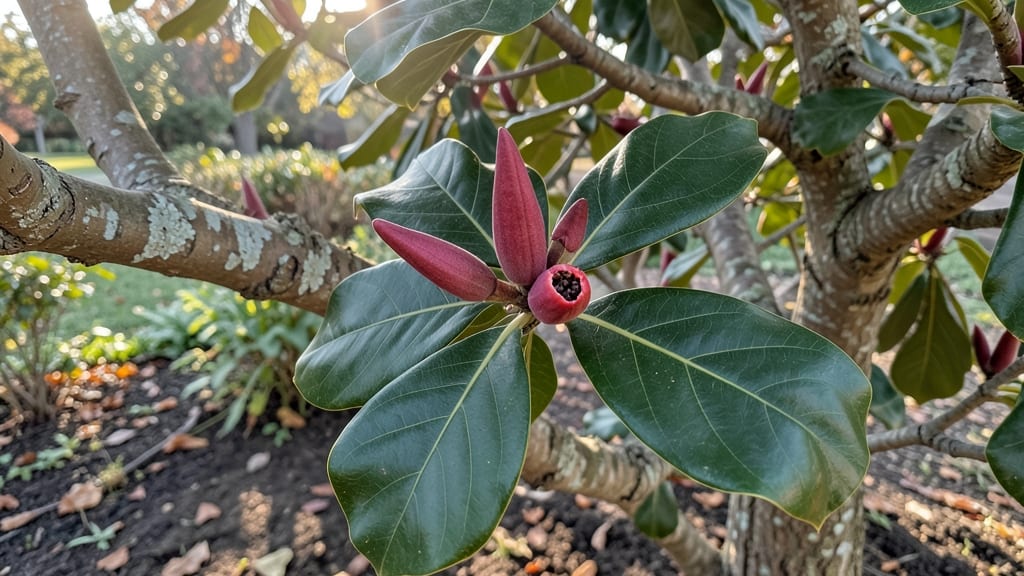
Those scarlet magnolia berries aren't just pretty—they're your tree's secret to next year's blooms. 🌿 I've pruned magnolias for years, and the berries reveal everything: health, pollination success, and even which branches need attention.
They're the tree's way of storing energy for spring flowers, so protecting them means more blossoms in 2025.
The key to abundant berries starts with smart pruning in late winter. Remove only dead wood and crossing branches—never cut back into old wood where berries form. My Southern magnolia now produces hundreds of berries annually because I learned to prune for the fruit, not just the shape.
The berries themselves are harmless but not edible; they're all about supporting wildlife and next season's blooms.
You'll know you're doing it right when branches stay sturdy and berries turn deep red by fall. The berries attract birds and bees, which pollinate the spring flowers.
Healthy berries stay firm and glossy; mushy or shriveled ones mean overwatering or poor pollination. Prune correctly, and your magnolia becomes a year-round showstopper.
Works for all magnolia species, from the towering Southern to compact saucer magnolias. The same principles apply—just adjust timing for your climate zone. Here's how to make those berries thrive and your tree bloom like crazy next spring.
📚 In This Guide
- What you need
- Instructions
- Tips and common mistakes
- Wrapping up and next steps
What you need
- ● Pruning shears: Bypass pruners (for small branches, 4–6 inches) – 1 pair (sharp, clean, and sanitized with rubbing alcohol).
- ● Loppers: For medium branches (6–12 inches) – 1 pair (with a long handle for reach).
- ● Pruning saw: For thick branches (12+ inches) – 1 saw (bow or folding saw with a fine-tooth blade).
- ● Gloves: Heavy-duty gardening gloves (cut-resistant) – 1 pair (to protect from thorns and sap).
- ● Disinfectant: 70% isopropyl alcohol or bleach solution (1 part bleach to 9 parts water) – small spray bottle or rag (to prevent disease spread).
- ○ Pruning sealant: Optional but helpful for large cuts (e.g., tree wound dressing) – small tube (reduces risk of infection).
- ● Ladder or step stool: Sturdy, extendable – 1 unit (for hard-to-reach branches; ensure it’s rated for your weight).
- ● Trash bags or bucket: For collecting pruned branches – 2–3 bags or 1 bucket (to haul debris away easily).
- ● Marking twine or flags: To tag branches for future reference (e.g., color-coded tags for "keep" vs. "remove").
- ● Safety glasses: To shield eyes from debris or sap splatter.
- ● Knee pads: For comfort if you’re working on the ground (e.g., clearing underbrush).
- ● Notebook or app: To sketch a quick map of your tree’s structure before pruning (e.g., iNaturalist or a simple sketchbook).
- ● Mulch: Shredded bark or wood chips (2–3 inches deep) – 1–2 bags (to replenish after pruning and protect roots).
How to prune magnolia trees for more berries and blooms
Here's the simple, science-backed method I use to keep my magnolias producing stunning flowers and berries year after year.
✂️ Step 1: Prune Immediately After Flowering
Wait until all flowers have fallen—usually late spring or early summer—before making your first cut. This timing ensures you don’t accidentally remove next year’s flower buds, which form right after blooming. I mark my calendar for 6-8 weeks post-bloom to avoid this common mistake.
Start by removing any dead, damaged, or crossing branches first. Use clean, sharp pruners to make cuts at a 45-degree angle just outside the branch collar—the swollen area where the branch meets the trunk. This prevents water from pooling and causing rot. For larger branches, I make a second cut a few inches further out to avoid tearing the bark.
☀️ Step 2: Thin the Canopy for Better Light Penetration
Magnolias need sunlight to produce berries, so aim to open up the canopy by 20-30% to let light reach the inner branches. Focus on removing branches that grow inward or rub against others—these compete for energy and often produce fewer flowers. I look for branches that are one-third the diameter of the trunk or smaller; these are easier to remove without harming the tree.
Step back often to visualize the tree’s shape. You want a balanced silhouette with no dense clusters in the center. Avoid "lion-tailing," or cutting back too many branches at once, which stresses the tree. Instead, remove just a few branches per year to maintain gradual growth.
🌿 Step 3: Encourage New Growth with Strategic Cuts
To promote more berries, prune back some of the older wood—especially branches that haven’t bloomed well in past seasons. Cut these back to a healthy lateral branch or bud, which will spur new growth. I target branches that are over 3 feet long and have fewer than 5 flower clusters per year.
For younger magnolias, focus on shaping rather than heavy pruning. Remove only the weakest or most crowded branches to encourage a strong structure. Avoid pruning more than 25% of the tree’s foliage in a single season—this can shock the tree and reduce berry production.
⏰ Step 4: Light Winter Pruning for Safety
In late winter or early spring, do a final check for any dead, diseased, or weak branches that may have developed over the past year. Prune these out before new growth begins. I also remove any suckers—those vigorous shoots sprouting from the base or along the trunk—that divert energy from the main canopy.
This is also the time to adjust the tree’s shape if needed, but keep cuts minimal. Magnolias bloom on old wood, so avoid heavy pruning in winter. Instead, focus on cleaning up and maintaining the tree’s health. After pruning, I apply a light layer of mulch around the base to retain moisture and protect roots.
Tips & tricks for pruning magnolia trees for maximum blooms
A few simple strategies will help you get the most out of your magnolia pruning—and keep your tree thriving for years to come.
Timing is Everything: The 6-8 week window after flowering is non-negotiable for magnolias. I always set a reminder for this period because missing it means you might accidentally prune off next year's flower buds. If you're unsure when your tree finished blooming, look for completely fallen petals and a few dried-up flowers on the branches.
Branch Collar Matters: When making cuts in Step 1, pay close attention to the branch collar—the swollen area where the branch meets the trunk. Making clean cuts just outside this collar (at a 45-degree angle) is crucial for healing. I've seen too many trees develop rot simply because cuts were made too close to the trunk or at the wrong angle.
Visualize the Canopy: For Step 2's 20-30% thinning goal, step back frequently to visualize your tree's shape. Imagine sunlight streaming through the branches—you want to create a balanced silhouette where light can reach all parts of the canopy. I often sketch a rough outline on paper first to plan my cuts before making them.
Mulch After Pruning: After completing all your pruning steps, don't forget to apply that light layer of mulch around the base. This helps retain moisture and protects the roots, especially important after the stress of pruning. I use about 2-3 inches of organic mulch, keeping it a few inches away from the trunk to prevent rot.
Pro Tips for Magnolia Tree Berries
- A few simple strategies will help you get the most out of your magnolia pruning—and keep your tree thriving for years to come.
- Timing is Everything: The 6-8 week window after flowering is non-negotiable for magnolias.
- Branch Collar Matters: When making cuts in Step 1, pay close attention to the branch collar—the swollen area where the branch meets the trunk.
Frequently asked questions
about magnolia tree berries—because even the most experienced gardeners have questions! Here are some of the most common ones to help you navigate pruning and berry care like a pro.When should I prune magnolia trees to avoid losing berries?
Prune your magnolia tree after the berries have ripened and fallen naturally (late winter to early spring). Pruning too early can remove next year’s flower buds, which form on old wood. For spring-blooming varieties, wait until late March or April to minimize impact on berry production.
Are magnolia berries safe for birds and wildlife?
Magnolia berries are a nutritious snack for birds like robins, cardinals, and mockingbirds. They’re also safe for squirrels and other wildlife. Just avoid eating them yourself—they’re not edible for humans and can cause stomach upset. Let nature enjoy the feast!
How long do magnolia berries take to develop after flowering?
After your magnolia blooms in spring, the berries typically take 6–9 months to mature. You’ll see green pods forming in summer, which gradually turn pink or red by fall. Patience is key—don’t prune too early or you might miss the show!
What if my magnolia tree isn’t producing berries? What’s wrong?
Several factors could be at play:
- Lack of pollination: Some magnolias (like Magnolia grandiflora) are self-pollinating, but others need help from bees or wind. Hand-pollinate if needed!
- Improper pruning: Over-pruning or cutting at the wrong time removes flower buds. Stick to late winter/early spring pruning.
- Environmental stress: Drought, poor soil, or extreme weather can reduce berry production. Ensure your tree gets well-draining soil and regular watering.
Can I propagate magnolia trees from berries?
Not directly! Magnolia berries contain seeds, but they’re difficult to germinate at home due to their thick coats. For propagation, use semi-hardwood cuttings in late summer or layering for easier success. If you’re determined, soak seeds in water for 24 hours and plant them in a controlled, warm environment—but expect a low success rate.
Wrapping up and next steps
Pruning your magnolia tree to encourage those stunning year-round blooms is easier than you think!
By understanding the right timing, tools, and techniques—like avoiding late winter cuts or using sharp bypass pruners—you’ll keep your tree thriving and bursting with color. 🌸 With patience and care, your magnolia will reward you with lush foliage and abundant berries (or flowers!) for seasons to come.
Ready to take the next step? Grab your pruners and schedule that first trim—your magnolia’s future beauty starts with just one cut! 🌿