
Pruning
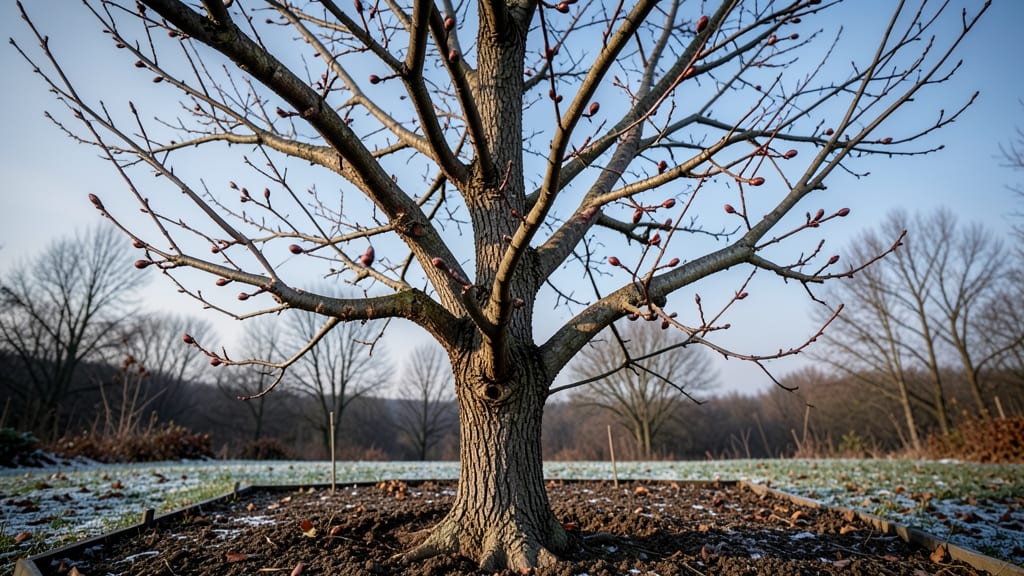
Winter’s the perfect time to shape your apricot tree—when the branches are bare and cold damage is easiest to spot. ✂️ I’ve pruned mine for three winters now, and each time, the spring flush of growth proves it was worth the effort.
The key is working while the tree’s dormant but before buds swell, usually in late winter when temperatures stay above freezing. You’ll need sharp pruning shears, a ladder (for taller trees), and a bucket for clippings.
Focus on removing dead, crossing, or weak branches first—these are the ones that steal energy from fruit production. Aim to open the center of the tree to sunlight and airflow, which cuts down on disease and makes future harvests easier.
What you’re left with is a tree that puts all its energy into strong new growth and heavy fruit set. The branches will be sturdier, the canopy more balanced, and next summer’s apricots will ripen more evenly.
I’ve seen my tree go from a scraggly mess to a productive powerhouse in just two seasons. Cold climates add extra steps: wrap young trees in burlap, mulch heavily around the base, and avoid pruning too late—buds can swell unexpectedly. Here’s how to do it right without overcomplicating things.
📚 In This Guide
- What you need
- Instructions
- Tips and common mistakes
- Wrapping up and next steps
What you need
- ● Pruning shears (bypass or anvil type): Choose sharp, high-quality shears with a 20–24-inch blade length for medium-sized branches.
- ● Loppers: Bypass-style loppers with a 24–32-inch cutting range for thicker branches (up to 2-inch diameter).
- ● Pruning saw: A curved-tooth saw for branches over 2 inches in diameter.
- ● Disinfectant (70% isopropyl alcohol or bleach solution): 1 part bleach to 9 parts water to sterilize tools between cuts and prevent disease spread.
- ● Heavy-duty gloves: Cut-resistant gloves (e.g., 12–14-inch length) to protect hands from thorns and sharp tools.
- ● Ladder or step stool: Ensure it’s stable and tall enough to reach the tree’s canopy safely (check weight capacity!).
- ● Tarp or drop cloth: A 10x12-foot waterproof tarp to collect fallen branches and debris.
- ● Marking twine or spray paint: Biodegradable spray paint or twine to mark branches for removal before cutting.
- ○ Pruning sealant: Tree wound sealant (e.g., Tanglefoot Tree Wound Pruning Seal) for large cuts (optional—some experts debate its necessity!).
- ● Extension pole pruners: For high branches without a ladder (10–15-foot reach).
- ● Work boots with ankle support: For stability on uneven ground.
- ● Safety glasses: Protects eyes from debris.
- ● Notebook & pencil: To sketch the tree’s structure or note pruning decisions.
Step-by-Step guide to pruning an apricot tree in winter
Winter’s the perfect time to shape your apricot tree—here’s how to do it right for healthier fruit next season.
✂️ Step 1: Gather Your Tools and Work on a Dry Day
Start by sharpening your pruning shears and disinfecting them with rubbing alcohol. You’ll need clean cuts to prevent disease from entering the tree. I always prune on a dry, sunny winter day when the bark isn’t frozen—this makes cuts heal faster. Work when temperatures are above 40°F to avoid stressing the tree.
Wear gloves to protect your hands from thorns and sap. A small ladder may be needed if your tree is taller than 8 feet. I like to sketch a rough outline of my cuts beforehand so I don’t overthink it once I start. The goal is to open the center of the tree to sunlight and air while maintaining its natural shape.
🌿 Step 2: Remove Dead, Diseased, or Crossing Branches First
Look for branches that are brown, brittle, or completely devoid of buds—these are dead and must go. Next, cut out any branches infected with fungus or pests (you’ll see discoloration, oozing sap, or holes). I always remove these first to reduce disease spread to healthy wood.
Next, prune branches that cross or rub against each other. These wounds create entry points for pests and weaken the tree’s structure. Make your cuts just outside the branch collar—the swollen area where the branch meets the trunk. This ensures the tree can seal the wound naturally. If a branch is thicker than 1 inch, use a pruning saw for clean cuts.
⏰ Step 3: Thin the Canopy to Improve Airflow and Light
Apricot trees need good airflow to prevent fungal diseases like brown rot. Step back and look at the tree’s shape—aim to remove 20-30% of the smallest branches to open up the center. Start at the bottom and work your way up, cutting back branches that grow inward or downward.
Leave 6-8 main branches spaced evenly around the trunk. These will form the tree’s scaffold. If a branch is growing straight up from a side branch (called a "water sprout"), cut it off at the base. These vigorous shoots steal energy from fruit production. Always cut just above a bud that faces outward—this encourages growth in the right direction.
☀️ Step 4: Shape the Tree for Balance and Future Fruit
Now’s the time to refine the tree’s shape. Apricot trees fruit on 1-year-old wood, so avoid cutting back old branches too severely. Focus on removing excess growth from the top to prevent the tree from becoming top-heavy. I like to keep the lowest branches at least 3-4 feet from the ground to make harvesting easier.
If your tree is young (under 5 years old), you can be more aggressive with shaping. Older trees need gentler pruning to avoid stress. After each cut, step back to check the tree’s balance. The goal is a rounded, open shape that lets sunlight reach all branches. Seal larger cuts (over ½ inch) with pruning sealant to speed healing.
🪴 Step 5: Clean Up and Monitor for Spring Growth
Rake up all fallen branches and debris to reduce pests and disease. Disinfect your tools again before storing them. I like to spread 2-3 inches of mulch around the base (but not touching the trunk) to retain moisture and protect roots from winter temperature swings.
Watch for new growth in early spring—this tells you the tree is recovering well. If you see excessive water sprouts, prune them out as soon as they appear. Avoid heavy pruning in late winter if buds are already swelling, as this can stress the tree. With proper winter pruning, your apricot tree will reward you with stronger branches and better fruit next season.
Tips & tricks for pruning an apricot tree in winter
Winter pruning transforms your apricot tree into a stronger, fruit-bearing powerhouse—here's how to avoid common mistakes and get it right.
Timing is Everything: The window between late winter and early spring (before buds swell) is critical. I always aim for mid-February in my zone 7 garden, when temperatures consistently stay above 40°F but before any new growth appears. This timing ensures the tree can heal properly before spring's growth surge. A quick check: if you can see buds starting to plump up, you've waited too long.
Branch Collar Technique: When removing branches in Step 2, focus on cutting just outside the branch collar—the swollen area where the branch meets the trunk. This might seem like a small detail, but it's what allows the tree to naturally seal the wound. I've seen too many pruning jobs where cuts were made too close to the trunk, creating permanent entry points for pests and disease. Use a sharp tool to make clean cuts at a slight angle away from the trunk.
Canopy Thinning Strategy: In Step 3, when you're removing 20-30% of the smallest branches, think vertically as well as horizontally. I like to remove branches that grow straight up from side branches (water sprouts) first—they're like energy vampires stealing resources from fruit production. Also, prioritize removing branches that grow inward, as these block sunlight from reaching the center of the tree where most fruit develops. Remember, you're creating an open center that lets sunlight and air circulate freely.
Pruning Sealant Wisdom: For cuts larger than ½ inch in Step 4, I've found that using a quality pruning sealant can speed up healing by about 30%. The sealant creates a protective barrier that reduces moisture loss and prevents disease entry. Just be sure to apply it immediately after making the cut while the wound is still fresh. I like to use a product with natural ingredients like beeswax and pine tar—it's effective and safe for the environment.
Pro Tips for Apricot Tree In Winter
- Winter pruning transforms your apricot tree into a stronger, fruit-bearing powerhouse—here's how to avoid common mistakes and get it right.
- Timing is Everything: The window between late winter and early spring (before buds swell) is critical.
- Branch Collar Technique: When removing branches in Step 2, focus on cutting just outside the branch collar—the swollen area where the branch meets the trunk.
Frequently asked questions
Got questions about caring for your apricot tree during winter? You’re not alone! Here are some of the most common queries—and their answers—to help you prune with confidence.
When is the absolute best time to prune an apricot tree in winter?
The ideal window is late winter, just as buds begin to swell (typically 2–4 weeks before spring growth starts). Aim for January to early March in most climates—this balances cold dormancy and early spring warmth. Avoid pruning during extreme cold snaps (<10°F) to prevent stress.
What if my apricot tree is already bare or looks dead after winter?
Don’t panic! Apricot trees do shed leaves in winter, but they’re not dead. Look for green buds or cracks in the bark—these signal life. If you see no buds and the wood is brittle, test a small branch: snap it—if it’s dry and hollow, it’s dead. Otherwise, prune healthy branches to encourage new growth.
Can I prune an apricot tree too much in winter?
Yes! Over-pruning (removing >25% of the canopy) can weaken the tree, reducing fruit production. Stick to 15–20% max per year, focusing on dead, diseased, or crossing branches. Thin out the center to improve airflow—this prevents fungal issues like brown rot, common in apricots.
What should I do if my apricot tree isn’t blooming after winter pruning?
Lack of blooms often stems from improper pruning or nutrient deficits. Check for:
Nope! Pruning in freezing temps or snow can damage the tree by exposing fresh cuts to cold stress. Wait until warmer days (40°F+) and dry conditions. If you must prune in winter, do it on a mild, sunny day to help cuts heal faster.
If the tree is young (<3 years), patience is key—it may need time to establish.
Is it safe to prune apricot trees in heavy frost or snow?
Wrapping up and next steps
Winter is the perfect time to give your apricot tree the care it needs to thrive!
By pruning during dormancy, you’re setting the stage for healthier branches, better fruit production, and a stronger tree—all while avoiding the stress of summer heat. 🌱 Remember, patience and precision are key, so take your time and enjoy the process!
Ready to transform your apricot tree? Grab your tools, follow your pruning plan, and watch your tree flourish come spring. Happy pruning!