
Blooming
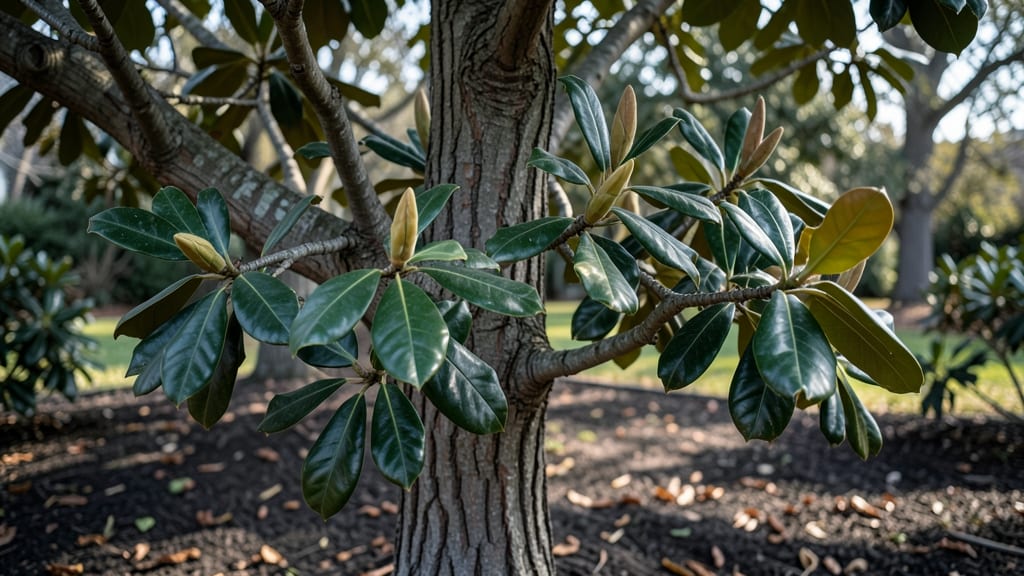
Magnolia trees before bloom are like nature’s best-kept secret—those pinkish-green buds popping against bare branches signal spring’s arrival. 🌱 I’ve watched them transform from winter’s dormant state into showstopping blooms, and the key to bold flowers starts right now with pruning and care.
Those swollen buds appear in late winter or early spring, depending on your climate zone. Prune dead or crossing branches now—just after blooms fade but before new growth starts—to encourage stronger stems. Avoid heavy cuts, though; magnolias set next year’s flowers on old wood.
You’ll know you’re doing it right when you see fresh, velvety green leaves unfurling by late spring. Water deeply once a week if rain is scarce, and keep an eye out for scale insects hiding under buds—neem oil spray works wonders if you spot them.
This is the quiet season that sets up your magnolia’s grand entrance. With the right prep, you’ll go from bare branches to dramatic blooms that steal the show for weeks.
📚 In This Guide
- What you need
- Instructions
- Tips and common mistakes
- Wrapping up and next steps
What you need
- ● Pruning shears: Sharp, bypass-style shears (for clean cuts on smaller branches). Size: 6–8 inches (for precision).
- ● Loppers: Heavy-duty, bypass or anvil-type (for thicker branches up to 2 inches). Quantity: 1 pair.
- ● Pruning saw: Curved-tooth saw (for branches >2 inches). Type: Folding or bypass saw.
- ● Disinfectant: 70% isopropyl alcohol or rubbing alcohol (to sterilize tools between cuts).
- ● Garden gloves: Cut-resistant (to protect hands from thorns and rough bark).
- ○ Pruning sealant: Optional but recommended (e.g., Tanglefoot Tree Wound Pruning Sealer) for large cuts.
- ● Ladder or step stool: Sturdy and tall enough to reach branches safely (extendable ladders work for large trees).
- ● Heavy-duty trash bags: For collecting debris (5–10 gallon size).
- ● Weather check: Prune on a dry, overcast day (avoid wind or rain).
- ● Safety glasses: To protect eyes from debris.
- ● Long sleeves/pants: Thick fabric to guard against scratches.
- ● First-aid kit: Basic (bandages, antiseptic wipes).
- ● Tree ID confirmation: Verify your magnolia species (e.g., Magnolia grandiflora vs. Magnolia stellata) to tailor pruning needs.
Instructions for early season magnolia pruning
Here's how to give your magnolia a head start for showstopping spring blooms.
✂️ Step 1: Identify and Remove Dead or Damaged Branches
Start by scanning your magnolia for any branches that are completely dead, broken, or rubbing against others. These are the first to go—they compete with healthy growth and can harbor pests. Look for branches with no leaves, hollow centers, or those that look shriveled and gray. I always use sharp pruning shears to make clean cuts just outside the branch collar, where the branch meets the trunk.
Magnolias are tough, but they won't waste energy on dead wood. Removing these now lets the tree focus on producing strong new growth and next year's blooms. If a branch is too thick for your shears, use a pruning saw—but avoid tearing the bark, which invites disease. You'll know you've done this right when the tree looks more open and air can flow through the canopy.
✂️ Step 2: Thin Out Crowded Growth for Better Airflow
Next, focus on thinning out any branches that are growing too close together or crossing over others. Magnolias naturally grow with a rounded shape, but over time, branches can become too dense. This crowding blocks sunlight and air, which weakens the tree and reduces bloom quality. Aim to remove about 10-20% of the total branches—don't overdo it, or you'll stress the tree.
When thinning, cut back to a lateral branch or bud that grows outward from the center of the tree. This encourages a fuller, more balanced shape. I like to step back every few cuts to visualize the tree's form—you want to see light filtering through the branches. Avoid cutting more than a quarter of the tree's foliage in one season, or you risk stunting its growth.
☀️ Step 3: Shape for Optimal Sunlight Exposure
Magnolias bloom on old wood, so pruning too aggressively can reduce next year's flowers. Instead, focus on lifting the center of the tree to let sunlight reach all branches. Start by removing any low-hanging branches that block light from reaching the ground or smaller branches beneath. This also makes it easier to admire those stunning blooms when they arrive.
For larger branches, cut just outside the branch collar at a slight outward angle. This prevents water from pooling and rotting the wound. If you're unsure where to cut, look for a small bump or ridge on the underside of the branch—this is the branch collar, and cutting here ensures the tree seals the wound quickly. Step back often to check that sunlight can now reach the inner branches, which is key for strong, healthy growth.
🌱 Step 4: Clean Up and Apply Mulch
After pruning, rake up all the clippings and dispose of them properly—don't leave them under the tree, as they can harbor pests and diseases. I always sterilize my pruning tools with rubbing alcohol between cuts to prevent spreading any potential infections. Once the area is clean, apply a 2-3 inch layer of mulch around the base of the tree, keeping it 6 inches away from the trunk to prevent rot.
This mulch layer helps retain moisture and regulate soil temperature, which is especially important for young magnolias or those in hot climates. Water the tree deeply after pruning to help it recover and encourage new growth. You'll notice fresh, vibrant leaves emerging within a few weeks—that's your sign the tree is happy and ready for spring.
Tips & tricks for perfect magnolia pruning
Took me years to learn these tricks—here's how to prune like a pro without stressing your tree.
Tool Prep: Sterilize your pruning shears and saw between each cut with rubbing alcohol. I learned this the hard way after my magnolia developed fungal issues from contaminated tools. Sharp tools also make cleaner cuts that heal faster—dull blades tear bark, inviting disease. If you're working on multiple trees, keep a small spray bottle of alcohol handy for quick cleanups between branches.
Visual Pruning Check: Step back every 5-10 cuts to visualize the tree's shape. In Step 2, when thinning crowded branches, you should see light filtering through the canopy. If you can't see through to the center, you're still too dense. I often snap a photo before and after pruning to compare—it's shocking how much difference removing just 10-20% of branches makes for airflow and sunlight penetration.
Mulch Placement: That 2-3 inch layer of mulch in Step 4 works wonders, but placement matters just as much. Pile it higher (3 inches) in hotter climates to insulate roots, but keep it exactly 6 inches away from the trunk to prevent rot. I've seen gardeners make this mistake and end up with trunk rot that takes years to recover from. For young magnolias, add a 1-inch layer of coarse mulch first to improve drainage before the finer top layer.
Seasonal Timing: Early spring is ideal because magnolias bloom on old wood, but don't wait until buds appear. Prune when the tree is still dormant but new growth has just begun—this gives it time to recover before summer heat. In colder climates, aim for late February to early March. I pruned one tree too late in April and noticed significantly fewer blooms the following spring, so timing really does matter for that showstopping display.
Pro Tips for Magnolia Tree Before Bloom
- Took me years to learn these tricks—here's how to prune like a pro without stressing your tree.
- Tool Prep: Sterilize your pruning shears and saw between each cut with rubbing alcohol.
- Visual Pruning Check: Step back every 5-10 cuts to visualize the tree's shape.
Frequently asked questions
Got questions about your magnolia tree before it blooms? You’re not alone! Here are some common queries—and their answers—to help you prep for stunning spring blooms.
What’s the best time to prune a magnolia tree before it blooms?
Prune your magnolia tree after it finishes blooming in spring or early summer. Never prune in late summer or fall, as this can remove next year’s flower buds. Focus on shaping and removing dead wood—just avoid heavy cuts that could stress the tree.
Can I prune a magnolia tree in winter?
Winter pruning is a no-go for magnolias! Pruning during dormancy (Dec–Feb) can damage the tree and encourage disease. Wait until after blooming (late spring) to avoid cutting off next year’s flowers. Patience pays off with bigger, healthier blooms!
What if my magnolia tree has no buds before spring?
Don’t panic! Magnolia buds form after blooming, so if you see none now, check for last year’s flowers. If your tree is young or struggling, ensure it gets full sun (6+ hours/day), well-draining soil, and consistent water. Fertilize lightly in early spring if needed.
Can I still prune if my magnolia tree bloomed late this year?
Yes! Late bloomers (like Magnolia stellata) form buds on new growth, so you can prune lightly after blooming without harming next year’s flowers. Avoid heavy cuts—stick to removing dead branches or shaping. Always sterilize tools to prevent disease.
What’s a good alternative if my magnolia isn’t blooming yet?
If your magnolia is slow to bloom, consider companion plants like azaleas or dogwoods, which bloom earlier and add color. For instant impact, add spring bulbs (tulips, daffodils) under the tree. Mulch around the base to protect roots and encourage future blooms!
Wrapping up and next steps
Watching your magnolia tree before bloom transform into a stunning spring spectacle is pure magic—and with the right early pruning, you’re already setting the stage for showstopping flowers! 🌸 The key takeaway? Timing, precision, and patience are your best friends.
By removing dead wood, thinning crowded branches, and shaping strategically before buds swell, you’ll encourage healthier growth and bigger blooms later.
Now that you’re armed with the know-how, roll up your sleeves and get pruning! Grab your tools, step outside, and give your magnolia the care it deserves. Your future spring blooms will thank you. 🌿✨