
Flowers
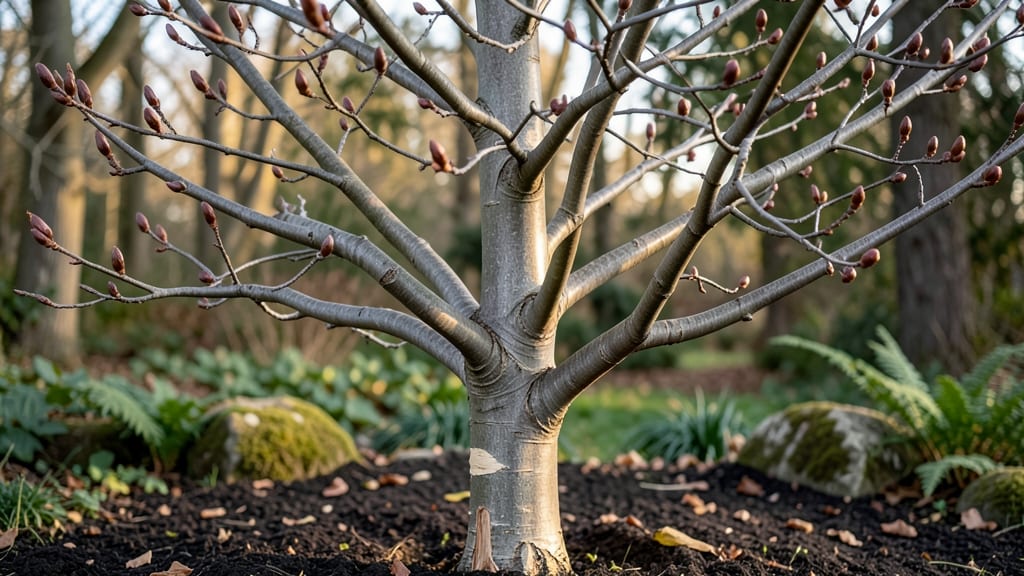
Your dogwood tree without flowers isn’t blooming because it’s telling you something’s off—likely pruning mistakes, stress, or poor growing conditions. 🌿 I’ve watched my own dogwoods go from bare branches to stunning spring blooms by fixing these exact issues, and the science behind it is simpler than you’d think.
The biggest culprits are late pruning (after June) or cutting into old wood, which removes next year’s flower buds. Too much shade, drought stress, or nutrient deficiencies also starve the tree of energy for blooms. Even pests like borers or fungal diseases can block flowering by weakening the tree.
Start by pruning in late winter or early spring—just after the last frost—using sharp tools to remove only dead or crossing branches. Boost sunlight exposure, water deeply during dry spells, and feed with a balanced fertilizer in early spring. Within a season, you’ll see new growth and—finally—those signature blooms.
This works for both cornus florida (flowering dogwood) and cornus kousa (Kousa dogwood), and the same principles apply whether your tree is young or mature. Let’s get those buds back in business!
Underlying Reasons for Missing Blooms
Dogwood trees (Cornus florida) are famous for their stunning spring blossoms, but when they fail to flower, it’s usually due to one of several avoidable—or fixable—reasons. Understanding the root causes (literally and figuratively) is the first step to restoring your tree’s floral glory.
Below, we break down the most common culprits and why they rob your dogwood of its showstopping display.
---
Dogwoods are slow to mature, and young trees (under 5–7 years old) often prioritize root and trunk growth over flowering. This isn’t a failure—it’s biology! - Why it happens: Dogwoods allocate energy to structural development first.
Only once they’ve established a strong root system (typically after 3–5 years) do they shift focus to reproductive growth (flowers). - Actionable fix: Patience is key! Avoid heavy pruning or stress (like drought) in young trees.
Focus on balanced care—water deeply during dry spells and amend soil with compost to support root growth.
---
Dogwoods are sensitive to their surroundings, and environmental stressors can trigger a survival response—skipping flowers to conserve energy. - Drought or poor soil: - Dogwoods thrive in moist, well-draining soil with a slightly acidic pH (5.5–6.5).
Dry or compacted soil forces the tree to divert resources to root recovery, delaying blooms. - Fix: Mulch heavily (3–4 inches of organic mulch) and water deeply 1–2 times per week during dry periods.
Test soil pH and amend with sulfur if needed. - Extreme heat or cold: - Late frosts (after buds swell) can damage flower buds before they open.
Conversely, heatwaves during bud formation (late winter/early spring) can stunt bloom development. - Fix: Plant in a sheltered location (e.g., near a fence or building) to protect buds. Avoid pruning in late summer/fall, as new growth is more vulnerable to winter damage.
---
Dogwoods flower on old wood (buds form the previous summer/fall).
Aggressive or improper pruning can remove next year’s blooms before they even appear. - When pruning backfires: - Cutting too late in the season (after early summer) removes flower buds for the following year. - Over-pruning (removing >25% of the canopy) stresses the tree, diverting energy away from blooms. - Correct pruning timing: - Best time: Late winter/early spring (just after flowering) to avoid removing next year’s buds. - Avoid: Pruning in fall or early winter, as this can stimulate weak growth susceptible to winter dieback. - Pro tip: 💡 Use sharp, clean tools and make cuts just outside the branch collar (the swollen area where the branch meets the trunk) to prevent disease.
---
Fungal infections and pests weaken the tree, reducing its ability to produce flowers.
Common offenders include: - Powdery mildew or anthracnose: - These fungi clog stomata (leaf pores), limiting photosynthesis and energy for blooms. - Signs: White powdery spots (mildew) or dark, sunken lesions (anthracnose). - Fix: Apply fungicide (copper-based or neem oil) in early spring before symptoms appear.
Improve air circulation by thinning dense branches. - Borers or scale insects: - These pests tunnel into bark or sap, starving the tree of nutrients. - Signs: Sawdust-like frass, oozing sap, or yellowing leaves. - Fix: Treat with horticultural oil in late winter (before buds break) or introduce beneficial insects (like ladybugs).
--- Dogwoods need specific nutrients to produce flowers, and deficiencies can halt bloom development. - Key deficiencies: - Phosphorus (P): Critical for flower formation.
A deficiency (yellowing leaves with dark green veins) means the tree lacks energy for blooms. - Potassium (K): Supports root health and stress resistance.
Low levels (weak stems, brown leaf edges) can lead to poor flowering. - How to fix: - Soil test first (many nurseries offer this service).
If deficient, apply a balanced fertilizer (10-10-10) in early spring or a phosphorus-rich amendment (bone meal). - Avoid over-fertilizing with nitrogen (N): Too much N promotes leafy growth at the expense of flowers.
--- Physical damage to the root system or trunk can disrupt the tree’s energy flow, causing it to skip flowering. - Root binding or girdling roots: - Roots circling the trunk (from container growth or poor planting) strangle the tree, limiting nutrient uptake. - Fix: Gently loosen girdling roots with a hand trowel (only if safe to do so).
For severe cases, consult an arborist. - Trunk or branch damage: - Storm damage, cracks, or splits disrupt the tree’s vascular system, reducing bloom production. - Fix: Prune damaged branches back to the branch collar and apply wound dressing (like pruning sealant) to prevent decay.
--- Not all dogwoods are created equal—some varieties are less prolific bloomers due to genetics. - Examples: - ‘Cherokee Brave’ or ‘Stella de Oro’ (dwarf varieties) may flower less heavily than ‘Rubra’ or ‘Flame’. - Male vs. female trees: Some dogwoods (like Cornus kousa) have separate sexes, and only females produce fruit (and sometimes fewer flowers). - Fix: If blooms are consistently sparse, consider replacing the tree with a more floriferous cultivar or consult a local nursery for variety recommendations.
Revive Your Dogwood’s Blooms Now
A dogwood tree without flowers can feel like a missed spring celebration—but don’t worry, there’s hope! Whether your tree is struggling due to age, poor health, or environmental stress, these targeted solutions will help coax those iconic blooms back to life.
Below, we’ve matched common causes to easy, science-backed fixes, plus prevention tips to keep your tree thriving for years.
---
Cause: Overgrown branches or improper pruning can divert energy away from blooms. Solution: - 🔪 Trim at the Right Time: Prune immediately after flowering (late spring) to avoid cutting off next year’s buds. Dogwoods form flower buds in the summer, so avoid heavy cuts in fall or winter. - 🌿 Shape with Purpose: Remove dead, diseased, or crossing branches first. Then, thin out dense areas to improve airflow and sunlight penetration. - 📏 Keep It Balanced: Aim for a rounded canopy—dogwoods bloom best when they’re not top-heavy or lopsided.
💡 Pro Tip: Never prune more than 25% of the tree’s foliage in one season. Over-pruning stresses the tree and reduces flowering.
---
Cause: Shade or poor soil drains energy from blooming. Solution: - ☀️ Optimize Sunlight: Dogwoods need full sun to partial shade (4–6 hours of direct light daily). If surrounded by taller trees, consider thinning nearby foliage or transplanting to a sunnier spot. - 🌱 Test and Amend Soil: Dogwoods thrive in moist, well-draining, slightly acidic soil (pH 5.5–6.5). - 📊 Soil Test Kit: Use one to check pH and nutrients. Adjust with sulfur (to lower pH) or lime (to raise pH) if needed. - 🍄 Add Organic Matter: Mix in compost or aged manure to improve drainage and fertility. Avoid heavy clay or waterlogged soil.
💡 Pro Tip: Mulch with 2–3 inches of wood chips around the base (keep it 6 inches away from the trunk) to retain moisture and regulate temperature.
---
Cause: Underwatering or overwatering weakens the tree, reducing blooms. Solution: - 💦 Deep and Infrequent Watering: Water 1–2 times per week (more in extreme heat) for 15–20 minutes per session, ensuring moisture reaches 6–12 inches deep. - 🌧️ Drought Recovery: If the tree is wilting, soak the root zone deeply for 30–60 minutes over 2–3 days. Avoid soggy soil—dogwoods hate "wet feet." - 🚰 Improve Drainage: If your yard floods, raise the planting bed or add sand/perlite to heavy soil.
⚠️ Warning: Yellowing leaves or leaf drop? You’re likely overwatering. Let the top 1–2 inches of soil dry out between waterings.
---
Cause: Insects (like borers) or fungi (like anthracnose) sap energy from blooming. Solution: - 🐜 Identify the Problem: - Borers: Look for sawdust-like frass or holes in bark. Treat with neem oil or beneficial nematodes. - Anthracnose: Dark, spotted leaves? Prune infected branches and apply fungicide (copper-based) in early spring. - 🛡️ Preventative Care: - 🌿 Mulch properly to deter fungal spores. - 🐝 Encourage pollinators (like bees) with nearby flowering plants—they help with fruit set, which signals the tree to bloom.
💡 Pro Tip: A weekly spray of diluted neem oil (1 tsp per gallon of water) deters pests without harming the tree.
---
Cause: Nutrient deficiencies (especially nitrogen or potassium) limit blooms. Solution: - 🍃 Use the Right Fertilizer: - Balanced 10-10-10 in early spring (before buds form). - Slow-release organic options (like fish emulsion or bone meal) for steady nutrients. - 🚫 Avoid Overdoing It: Too much nitrogen = leafy growth, no flowers. Stick to label recommendations and apply in early spring and mid-summer.
💡 Pro Tip: Epsom salt (magnesium sulfate) can help if leaves are yellowing between veins—a sign of magnesium deficiency.
---
Cause: Older trees or certain cultivars may bloom less. Solution: - 🌳 For Mature Trees: If your dogwood is over 20 years old, it may naturally produce fewer flowers. Rejuvenate with a light prune and deep root fertilization. - 🌸 Choose the Right Cultivar: Some varieties (like ‘Cherokee Brave’ or ‘White Cloud’) bloom more reliably. If your tree is a finicky type, consider grafting a new cultivar onto the existing root system.
💡 Pro Tip: Dogwoods bloom on old wood, so avoid heavy pruning—focus on shaping and thinning instead.
---
To keep your dogwood blooming like a pro: ✅ Prune annually after flowering (never in late winter). ✅ Mulch and water deeply but avoid soggy soil. ✅ Monitor for pests with regular inspections. ✅ Fertilize lightly in spring and summer. ✅ Test soil every 2–3 years and adjust pH as needed.
--- 🎉 Ready to see blooms again? Start with one or two fixes this season—your dogwood will thank you with a spectacular spring display! For stubborn cases, consult a local arborist to rule out deeper issues like root rot or disease.
Frequently asked questions
Why does my dogwood tree stop flowering after just a few years?
Young dogwoods often prioritize root and trunk growth over blooms for the first 5-7 years. This is normal biology—think of it as the tree building its foundation. Focus on consistent care (watering, mulching, and balanced fertilizer) during these early years to encourage strong root development, which will eventually support more abundant flowering.
Can I still get flowers if I pruned my dogwood at the wrong time?
It depends! If you pruned after early summer, you may have accidentally removed next year's flower buds (which form on old wood). For immediate results, avoid heavy pruning this season. Next year, prune in late winter/early spring (just after flowering) to preserve bud formation. Light shaping is fine—just never cut more than 25% of the canopy in one season.
How do I know if my dogwood has a nutrient deficiency causing no flowers?
Look for these clues: yellowing leaves with dark green veins (phosphorus deficiency) or weak stems with brown leaf edges (potassium deficiency). Test your soil with a home kit (available at garden centers) and amend with bone meal (for phosphorus) or a balanced 10-10-10 fertilizer in early spring. Avoid overdoing nitrogen—it promotes leaves but starves blooms!
Will moving my dogwood to a sunnier spot bring back the flowers?
Dogwoods need 4-6 hours of sunlight daily to bloom well. If your tree is in deep shade, transplant it to a partially sunny location (morning sun is ideal). For established trees, thin nearby foliage to increase light exposure. Just be patient—it may take 1-2 seasons to see improved flowering after the move.
What's the fastest way to tell if my dogwood has pests or disease?
Check for these red flags: Sawdust-like frass (borer activity), white powdery spots (powdery mildew), or dark sunken lesions (anthracnose). For borers, apply neem oil in late winter. For fungi, prune infected branches and treat with copper fungicide in early spring. Early detection is key—waiting can let problems spread!