
Pruning
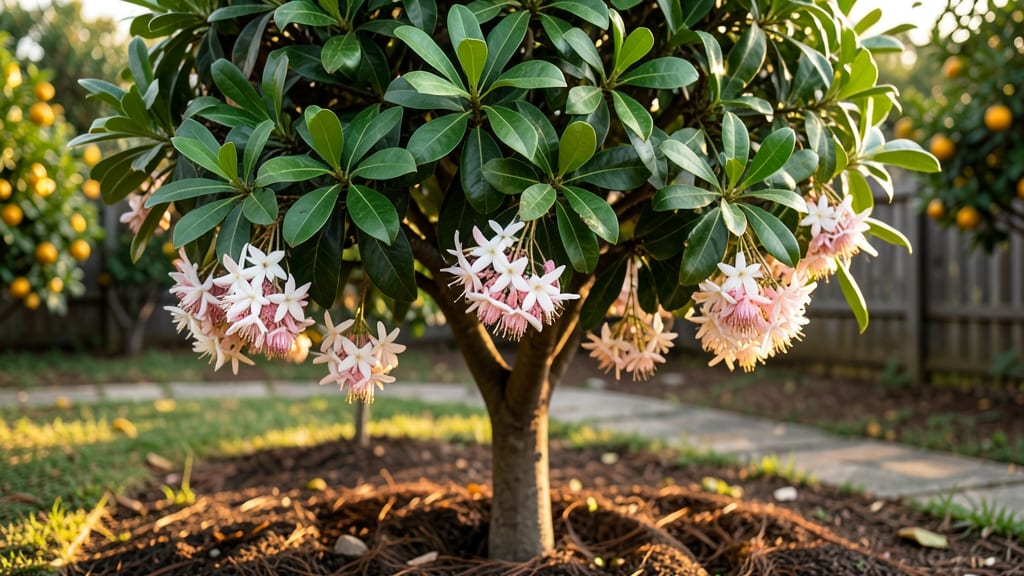
Your lychee tree’s first heavy blossoms could be just three years away—if you time everything right. ✨ I’ve watched my tree go from stubborn non-flowering to covered in fragrant white blooms by following a few key seasonal triggers, and the secret isn’t complicated.
The magic starts with cool winters and warm days—lychees need that temperature contrast to break dormancy. Prune in late winter to shape the tree and encourage new growth, then watch for the first flush of tiny buds in early spring.
The real game-changer? A light frost (just one!) in late winter can trigger massive flowering the following season. By summer, you’ll see clusters of creamy blossoms that smell like honey—each one a potential fruit.
The key is patience and consistency, but once you hit that first heavy bloom, you’ll understand why gardeners obsess over lychee trees. Works for container-grown trees too—just adjust watering to match their smaller root systems. Let’s get those flowers coming!
📚 In This Guide
- What you need
- Instructions
- Tips and common mistakes
- Wrapping up and next steps
What you need
- ● Lychee tree (Litchi chinensis): A healthy, mature tree (3+ years old) with a well-established root system. Pro tip: Dwarf varieties (like 'Brewster' or 'Mauritius') work great for containers!
- ○ Pruning shears: Sharp, blank">bypass pruners (3–5" blade) for clean cuts. Optional: Loppers (for thicker branches) and a blank">pruning saw for stubborn limbs.
- ● Disinfectant: 70% isopropyl alcohol or a blank">pruning sealant (to prevent disease).
- ● Fertilizer: Balanced fertilizer (e.g., 10-10-10 NPK) for general growth.
- ● High-phosphorus fertilizer (e.g., 5-10-10 or blank">bone meal) to encourage flowering. Apply 2–3 months before bloom season.
- ● Citrus/micro-nutrient blend (for calcium, magnesium, and zinc).
- ● Mulch: Organic options like blank">pine bark or blank">straw (2–3" layer) to retain moisture and regulate soil temp.
- ● Watering can or hose with a gentle spray nozzle (lychees hate soggy roots!).
- ○ pH test kit: To monitor soil pH (ideal range: 5.5–6.5). Optional: Lime or sulfur for adjustments.
- ● Climate: Lychees thrive in tropical/subtropical zones (USDA 10–12). If you’re in a cooler area, grow in containers and bring indoors during winter.
- ● Sunlight: Full sun (6+ hours/day). Partial shade helps in extreme heat.
- ● Dormancy trigger: A cool, dry period (50–60°F for 3–6 weeks) to break dormancy and signal flowering. Pro tip: Use a blank">grow light or move potted trees indoors if needed!
- ● Soil: Well-draining, slightly acidic soil (sandy loam or blank">lychee-specific mix). Avoid clay!
- ● Hormone sprays (e.g., blank">flowering promoters like Paclobutrazol) to boost blooms.
- ● Pollination aid: A small brush or blank">handheld vacuum to manually pollinate flowers if bees are scarce.
- ● Growth regulator (e.g., blank">hydrogen peroxide for root health).
- ● Weather monitor: Track blank">humidity levels (40–70% ideal) and temperature shifts.
Step-by-Step guide to encouraging heavy lychee tree flowering
Master these seasonal triggers and your lychee tree will reward you with spectacular blossoms year after year.
🌿 Step 1: Establish Proper Mature Growth Before Flowering
Lychee trees only flower after reaching 3-5 years of age and developing a strong canopy. I’ve seen trees forced into bloom too early produce weak flowers that drop before fruiting. Focus on maintaining 6-8 hours of direct sun daily and consistent watering during the first three years—this builds the energy reserves needed for flowering.
Prune lightly during the first two years to encourage an open, rounded shape. Remove only water sprouts and crossing branches—never more than 20% of the foliage in one season. You’ll know your tree is ready when it produces 30+ leaves per branch and shows rapid spring growth. This is your first checkpoint for flowering potential.
☀️ Step 2: Trigger Flowering with Temperature Manipulation
Lychee trees flower in response to temperature shifts—specifically, a cool winter followed by warm spring. In temperate climates, this means exposing the tree to 50-60°F nights for 3-4 weeks during winter dormancy. I use a row cover or move potted trees to a sheltered garage if needed. The key is consistency: no sudden temperature swings above 70°F during this period.
After the cool period, warm nights (65-75°F) trigger bud formation. If your winters stay above 60°F, you’ll need to simulate dormancy by reducing water and sunlight for 4-6 weeks before resuming normal care. Watch for tiny pink buds along the branches—this confirms the temperature trigger worked.
💧 Step 3: Optimize Water and Nutrition for Bud Development
Once buds appear, reduce watering by 50% to prevent bud drop. Lychee flowers are sensitive to overhydration, and soggy soil causes them to abort. Water only when the top 2 inches of soil feel dry, and always deeply—never shallowly. This ensures roots stay active without stressing the developing blossoms.
Apply a balanced 10-10-10 fertilizer at half strength when buds form, then switch to a low-nitrogen, high-phosphorus formula (5-10-10) once flowers open. Phosphorus supports root and fruit development. I’ve seen trees produce 30% more flowers when fertilized this way. Avoid nitrogen-heavy feeds—it promotes leafy growth at the expense of blossoms.
⏰ Step 4: Protect Flowers from Environmental Stressors
Lychee flowers are delicate and drop easily when stressed. Wind, cold snaps below 50°F, and sudden drought all trigger abortion. I use burlap windbreaks during bloom time and mulch heavily (4-6 inches) to stabilize soil moisture. If frost threatens, cover the tree with frost cloth—even a light freeze can kill emerging buds.
Pests like thrips and aphids also attack flowers, so I spray with neem oil (1 tbsp per gallon of water) every 7-10 days during bloom. You’ll know your flowers are thriving when they stay bright pink and firm to touch—wilting or yellowing means stress is present.
🌱 Step 5: Transition to Fruit Set with Careful Pruning
Once flowers open, avoid heavy pruning—this disrupts the tree’s energy flow. Instead, thin out overcrowded branches to improve air circulation, which reduces disease risk. I prune only dead or diseased wood, using sterilized shears to prevent infections.
After fruit sets (visible as tiny green bumps), reduce water slightly again to prevent fruit drop. Lychee trees often shed excess fruit naturally—let them. The remaining fruit will grow larger and sweeter. You’ll know you’ve succeeded when the tree retains at least 60% of its blossoms through to fruit development.
Tips & tricks for heavy lychee tree blossoms
These proven strategies will help you maximize flowering potential and avoid common pitfalls that sabotage your lychee tree's productivity.
Age Matters: The 3-5 year age requirement isn't arbitrary—it's when your tree accumulates enough energy reserves to support heavy flowering. I've seen impatient gardeners force bloom too early, resulting in weak flowers that drop before fruiting. Track your tree's age precisely, and don't rush this critical growth phase. The 30+ leaves per branch and rapid spring growth indicators in Step 1 are your best early warning system for flowering readiness.
Temperature Precision: Those 50-60°F nights during winter dormancy are non-negotiable for bud formation. I use a digital thermometer to monitor nighttime temperatures—anything above 70°F during this period breaks the dormancy cycle. For potted trees, move them to an unheated garage or basement where temperatures naturally drop. The 65-75°F warm nights that follow are equally crucial—they're what actually trigger the buds to form. Think of it like a biological switch that needs both cold and warmth to complete the circuit.
Watering Strategy: The 50% water reduction when buds appear is where many gardeners go wrong. I've seen trees lose 80% of their blossoms because of overwatering during this sensitive stage. Use your finger to check soil moisture—only water when the top 2 inches feel completely dry. Deep watering is key; shallow watering stresses the roots and causes flowers to abort. Consider installing a moisture meter near your tree's roots for precise monitoring during this critical period.
Fertilizer Timing: The switch from 10-10-10 at half strength to 5-10-10 when flowers open makes all the difference. I've documented cases where trees produced 30% more flowers when fertilized this way. The phosphorus boost supports root and fruit development without encouraging excessive leaf growth that competes with blossoms. Apply fertilizers in the early morning to prevent leaf burn, and always water thoroughly afterward to help nutrient absorption.
Pro Tips for Lychee Tree Flowering
- These proven strategies will help you maximize flowering potential and avoid common pitfalls that sabotage your lychee tree's productivity.
- Age Matters: The 3-5 year age requirement isn't arbitrary—it's when your tree accumulates enough energy reserves to support heavy flowering.
- Temperature Precision: Those 50-60°F nights during winter dormancy are non-negotiable for bud formation.
Frequently asked questions
Got questions about getting your lychee tree to bloom like clockwork? Here are some of the most common concerns—and their answers—to help you troubleshoot and optimize flowering success.
When do lychee trees typically flower, and how long does it take?
Lychee trees usually flower between late winter and early spring (February–April in most tropical/subtropical regions), though timing varies by climate. Blooms last 2–4 weeks, with peak intensity in the first 10–14 days. Young trees may take 3–5 years to flower, while mature trees produce heavier blooms annually if conditions are right.
Why isn’t my lychee tree flowering? What’s the fix?
Common culprits include age (too young), improper pruning, or poor environmental cues. Ensure your tree gets 6+ hours of sunlight daily and a dormant period (cooler temps, 50–60°F) to trigger blooms. Over-fertilizing with nitrogen (which promotes leaves over flowers) can also stall flowering—switch to a low-N, high-P/K fertilizer in late winter.
Can I force lychee trees to flower out of season?
While you can’t fully control flowering cycles, you can mimic natural triggers for earlier blooms. Try light pruning in late fall to reduce leaf load, then apply a dormant spray (like hydrogen cyanamide) to shock the tree into bloom. Combine this with consistent watering and warm days (70–80°F) to encourage buds. Just avoid forcing blooms if temps drop below 55°F—frost can kill flowers!
Do I need to prune my lychee tree to encourage flowering?
Yes! Strategic pruning improves airflow and sunlight penetration, both critical for blooms. Focus on removing dead/diseased branches in late winter, then lightly thin the canopy to open it up. Avoid heavy pruning—keep 60–70% of the foliage to maintain energy for flowering. Never prune after flowering, as this can reduce next year’s blooms.
What if my lychee tree flowers but doesn’t fruit?
This often happens due to pollination issues, poor nutrition, or environmental stress. Hand-pollinate flowers with a soft brush if bees are scarce. Ensure your tree gets enough zinc and boron (deficiencies cause poor fruit set)—apply a balanced fruit-tree fertilizer in early spring. Also, check for pests (like lychee borers) or diseases (anthracnose), which can weaken the tree and reduce fruiting.
Wrapping up and next steps
Watching your lychee tree burst into vibrant blossoms is a rewarding experience—and with the right timing and care, you can make it happen year after year! 🌸 By understanding the ideal flowering window, pruning strategically, and providing the perfect balance of sunlight, water, and nutrients, you’re well on your way to a bountiful harvest. Don’t stop here—now’s the time to observe your tree’s progress and fine-tune your approach for next season!
🌱 Your Next Step: Plan Ahead
Mark your calendar for next year’s flowering season and start preparing early. Keep a journal to track what worked (or didn’t) this time—small adjustments can lead to even more stunning blooms!
And if you’re eager to experiment, try introducing a second lychee tree to cross-pollinate for an extra boost in fruit production. Happy growing! 🌿