
Pruning
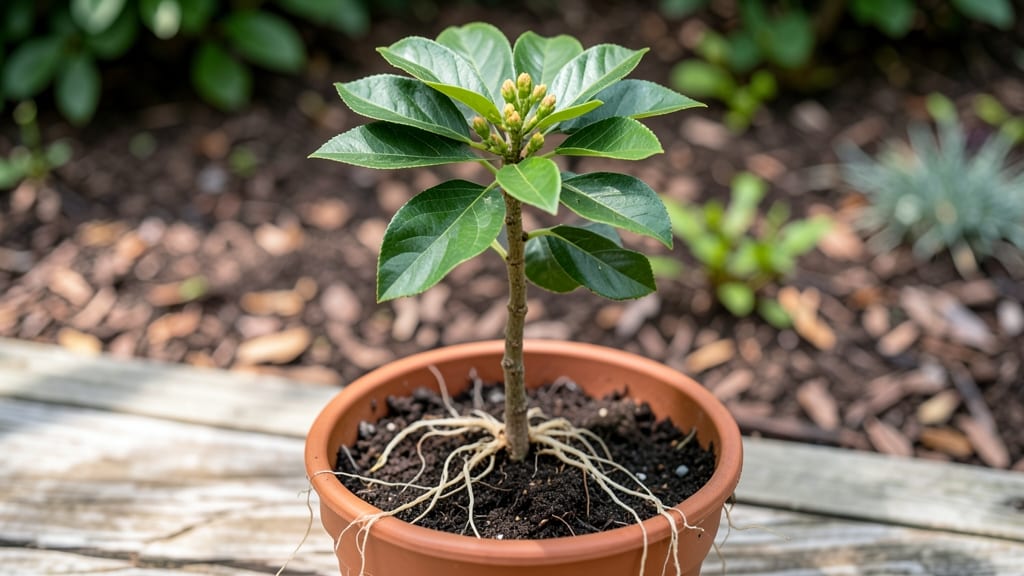
Your loquat tree seedling could be bearing fruit within just three years—if you give it the right start. 🌱 I’ve watched these tropical gems go from a few inches tall to flowering in record time, and the secret isn’t complicated: it’s all about mimicking their natural subtropical habitat early on.
The first year is about roots and structure. Loquats thrive in well-draining soil mixed with compost, and they need full sun (at least 6 hours daily) to grow strong. Overwatering is the biggest rookie mistake—I’ve lost seedlings to soggy roots, so let the top inch dry between waterings.
Prune only to shape, never to control growth; these trees grow fast on their own. By year two, you’ll see bold new leaves and maybe even a few small blossoms.
That’s when the real magic happens: with proper care, your tree will shift from a bushy sapling to a fruit-bearing powerhouse. The first harvest might be small, but each year after that, the crop doubles.
Perfect for warm climates (zones 9-11), but even cooler areas can grow them in containers. Here’s how to keep yours thriving from day one—no green thumb required.
📚 In This Guide
- What you need
- Instructions
- Tips and common mistakes
- Wrapping up and next steps
What you need
- ● Loquat seeds – 3–5 fresh, plump seeds (harvested from ripe loquat fruit).
- ● Seed-starting mix – 1 small tray (10"x20") of sterile, well-draining potting soil (or coconut coir).
- ● Planting containers – 3–5 small pots (3–4" diameter) with drainage holes or a seed tray.
- ● Watering can or spray bottle – For gentle hydration (avoid overwatering!).
- ● Clear plastic wrap or humidity dome – To retain moisture while seeds germinate.
- ● Grow lights or sunny windowsill – 6+ hours of indirect light daily (south-facing window or LED grow lights).
- ○ Fertilizer (optional but helpful) – Balanced liquid fertilizer (5-5-5 NPK) or worm castings for young seedlings.
- ● Pruning shears – Small, sharp pair for future trimming (sterilize with rubbing alcohol).
- ● Spray bottle – For misting seedlings (keeps humidity high without drowning roots).
- ○ pH testing kit (optional) – Ensures soil pH is 5.5–6.5 (ideal for loquats).
- ● Patience & a warm spot – Loquat seeds germinate in 4–12 weeks (consistency is key!).
Step-by-step instructions for growing a loquat tree seedling
Here's how to get your loquat seedling off to a strong start—it grows surprisingly fast with the right care.
🌱 Step 1: Prepare the Seed and Planting Medium
Start by selecting a ripe loquat fruit from your tree. Cut it open and remove the large, flat seed inside. Rinse it gently to remove any pulp, then let it dry completely for 24 hours—this prevents rot when you plant. While it dries, mix equal parts potting soil and perlite in a small container. This light, airy blend helps young roots establish without suffocating.
Fill a 4-inch diameter pot with the mix, leaving ½ inch of space at the top. Water it lightly until the soil feels damp but not soggy. The reason for this prep is simple: loquat seeds need good drainage to avoid fungal issues that can kill seedlings before they sprout.
💧 Step 2: Plant the Seed and Maintain Moisture
Place the dried seed ½ inch deep in the soil, pressing it lightly but not firmly. Cover it with a thin layer of additional mix. Water the pot again until moisture reaches the bottom—you'll see it drain from the holes. Place the pot in a warm spot (70-75°F) with bright, indirect light. A sunny windowsill works, but avoid direct midday sun, which can dry out the soil too quickly.
Cover the pot loosely with plastic wrap to retain humidity, but leave a small gap for airflow. Check daily and mist the soil if it feels dry to the touch. Germination can take 2-4 weeks, so patience is key. Real talk: if nothing appears after 6 weeks, the seed may not have viable life—start fresh with another.
☀️ Step 3: Provide Light and Gradually Acclimate
Once the seedling emerges, remove the plastic wrap immediately. Place it under grow lights or in a south-facing window where it gets 6-8 hours of sunlight daily. Loquat seedlings need strong light to prevent leggy growth—watch for stems stretching toward the light or yellowing leaves, which signal insufficient brightness. If this happens, move the pot closer to the light source or add a grow light.
After 4-6 weeks, when the seedling reaches 4-6 inches tall, it’s time to transplant. Choose a 6-inch pot with fresh potting mix. Water the seedling thoroughly the day before moving it to reduce shock. Gently loosen the roots and place it in the new pot, filling around it with soil and pressing lightly to secure.
🌿 Step 4: Encourage Strong Growth and Prune Wisely
Keep the soil consistently moist but never waterlogged—stick your finger 1 inch deep into the soil. If it feels dry, water until it drains from the bottom. Fertilize lightly every 4-6 weeks with a balanced, water-soluble fertilizer diluted to half strength. Over-fertilizing can burn young roots, so less is more here.
When the seedling grows to 12 inches, it’s ready for its first pruning. Use clean, sharp scissors to trim back the longest branches by ⅓ to encourage bushier growth. This also strengthens the stem for future fruit production. Prune in late winter or early spring before new growth begins—this timing helps the tree recover quickly.
⏰ Step 5: Transition to Outdoor Conditions
After 3-4 months indoors, your loquat seedling should be sturdy enough for outdoor life. Choose a protected spot (like a patio or partially shaded garden area) and place it outside for 2-3 hours the first day. Gradually increase its outdoor time over 10-14 days, moving it to a sunnier location each time. This slow transition prevents shock from wind or intense sunlight.
Once it’s spent a full day outside without wilting, it’s ready for its permanent home. Plant it in well-draining soil in a location with full sun (6+ hours daily). Mulch around the base with 2-3 inches of organic mulch to retain moisture and regulate soil temperature. With this care, your seedling will grow 2-3 feet per year and bear fruit in 3 years or less—just as promised.
Tips & tricks for perfect loquat tree seedlings
Here's what nobody tells you about growing loquat seedlings—these tricks will help you avoid common pitfalls and speed up that 2-3 foot annual growth.
Seed Selection: Not all loquat seeds are created equal. Choose fruit from mature trees that produce consistently sweet, ripe fruit. The seed should be plump and free of cracks or soft spots—these are signs of poor viability. I've found that seeds from yellow-skinned loquats often germinate more reliably than those from green varieties, though this isn't a hard rule. The 24-hour drying period is non-negotiable: it prevents fungal growth that can rot seeds before they even sprout.
Lighting Strategy: Loquat seedlings are light-hungry from day one. While the instructions mention 6-8 hours of sunlight, I recommend supplementing with a grow light if your windowsill isn't bright enough. Place the light 6-12 inches above the seedling and keep it on for 12-14 hours daily during the germination phase. You'll notice the difference immediately—seedlings under grow lights develop stronger stems and darker green leaves compared to those struggling for light. This head start translates directly to faster growth once you transplant outdoors.
Transplant Timing: The 4-6 week transplant window mentioned in Step 3 is ideal, but don't rush it. Wait until you see true leaves (not just the initial seed leaves) and the seedling has developed a small root system you can see through the pot's drainage holes. I've learned this the hard way—transplanting too early can shock delicate seedlings. When transplanting to the 6-inch pot, water the soil thoroughly the day before to reduce transplant shock. The key is gentle handling: loosen the roots with your fingers rather than cutting them with a knife.
Fertilizer Wisdom: The instructions recommend fertilizing every 4-6 weeks, but I've found loquat seedlings actually benefit from a more gradual approach. Start with half-strength fertilizer at the first application, then gradually increase to full strength over three applications. Too much fertilizer too soon can burn young roots, setting your seedling back weeks. Also, always water the soil before fertilizing—this prevents salt buildup that can further damage tender roots. The goal is steady growth, not rapid spikes that often lead to stunted development.
Pro Tips for Loquat Tree Seedling
- Here's what nobody tells you about growing loquat seedlings—these tricks will help you avoid common pitfalls and speed up that 2-3 foot annual growth.
- Seed Selection: Not all loquat seeds are created equal.
- Lighting Strategy: Loquat seedlings are light-hungry from day one.
Frequently asked questions
Got questions about growing your own loquat tree seedling? You’re not alone! Here are some of the most common queries—and straightforward answers—to help you nurture a thriving fruit tree with confidence.
How long does it take for a loquat tree seedling to bear fruit?
A loquat tree seedling typically takes 3–5 years to bear fruit, though some fast-growing varieties may produce earlier under ideal conditions (warm climates, full sun, and proper care). Patience pays off—your first harvest will be worth the wait!
Can loquat tree seedlings survive cold winters?
Loquat trees are tropical/subtropical and thrive in USDA zones 8–11. In colder areas, plant seedlings in containers or mulch heavily to protect roots. Young trees may need winter wraps or indoor overwintering until established.
Do I need to graft a loquat tree seedling for better fruit?
While seed-grown loquats produce fruit, grafting ensures consistent quality, size, and disease resistance. If you want reliable harvests, consider grafting a known variety onto your seedling’s rootstock. Otherwise, enjoy the natural variability!
What pests or diseases should I watch for in young loquat seedlings?
Common issues include aphids, scale insects, and fungal leaf spots. Keep your seedlings healthy with neem oil sprays and ensure good airflow. Prune damaged leaves promptly to prevent spread.
Can I grow a loquat tree from seed, or should I buy a seedling?
Yes, you can grow from seed, but seedlings may not match parent fruit traits (size, flavor, or timing). For faster, predictable results, buy a nursery-grown seedling of a named variety. Both methods work—choose based on your goals!
Wrapping up and next steps
Growing a loquat tree seedling into a fruitful orchard in just three years is an exciting and rewarding journey!
With the right care—from selecting healthy seedlings to mastering pruning techniques—you’re well on your way to harvesting sweet, fragrant fruit. Don’t stop here! Now’s the perfect time to plant your seedling, monitor its growth, and fine-tune your pruning skills for even better yields.
🌱 Ready to take the next step? Grab your tools, roll up your sleeves, and watch your loquat tree thrive—one pruned branch at a time!