
How To
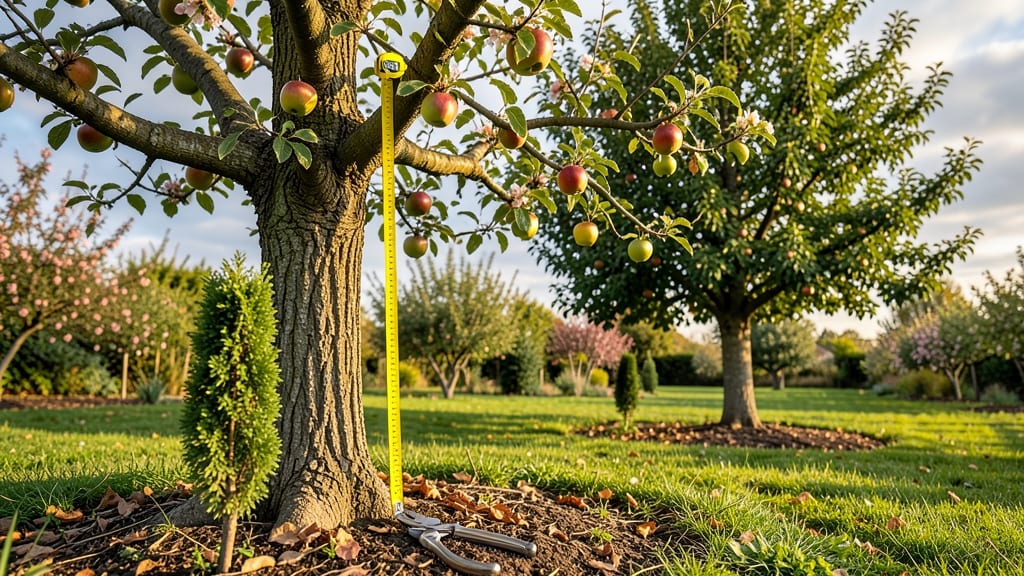
An apple tree can grow how tall can an apple tree grow anywhere from 8 feet to towering over 30 feet, depending on the variety and care you give it 🍎 — and that’s where most gardeners get tripped up.
You might picture a sprawling orchard tree, but dwarf varieties fit snugly in small yards, while standard types need room to stretch their branches like skyscrapers. The difference isn’t just about space—it’s about pruning, rootstock, and even your local climate.
If you’re wondering whether your backyard can handle a 25-foot giant or if a compact 10-foot tree is your best bet, this guide breaks down the options so you can pick the perfect fit for your harvest goals.
We’ll cover how pruning shapes growth, the fastest ways to control height, and the one mistake that turns a manageable tree into a maintenance nightmare.


Apple tree height limits by variety: dwarf to standard sizes explained
Choosing the right apple tree variety isn't just about flavor—it's about space management and long-term care. Standard apple trees can reach 20-30 feet, dwarf varieties stay under 12 feet, and columnar types grow like slender poles.
Your backyard's size and your willingness to prune will determine which variety thrives best.
Apple tree height is primarily controlled by rootstock type, which affects both growth rate and final size. Dwarf rootstocks like M.9 produce trees that mature at 8-12 feet, while semi-dwarf rootstocks like MM.106 reach 12-18 feet.
Standard trees on seedling rootstock can tower over 25 feet without intervention.
Here's a quick reference for apple tree heights by variety category to help you visualize their mature sizes:
Dwarf apple trees like 'Liberty' or 'Zestar!' series are perfect for containers or small yards. Their compact size makes them easier to prune and harvest, but they require more frequent pruning to maintain shape. These varieties often produce fruit in just 2-3 years after planting.
Semi-dwarf varieties strike a balance between manageable size and high fruit production. Popular choices like 'Gala' or 'Fuji' on MM.106 rootstock reach 12-18 feet at maturity. They need 12-15 feet of spacing between trees to ensure proper airflow and sunlight penetration for the entire canopy.
Standard apple trees are the tallest variety, often requiring ladders for harvesting. Varieties like 'Granny Smith' or 'Jonathan' on seedling rootstock can reach 30 feet or more.
These trees need 20-25 feet of spacing and are best suited for large properties or orchards where their height won't be a maintenance challenge.
Columnar apple trees are the skyscraper of apple varieties, growing 6-10 feet tall but only 2-3 feet wide. Their narrow shape makes them ideal for small spaces or urban gardens.
Varieties like 'Columnar Red Delicious' or 'Columnar Golden Delicious' produce fruit along their entire length, making them highly efficient for limited growing areas.
When planting, always consider sunlight requirements. Apple trees need 6-8 hours of direct sunlight daily to produce quality fruit. Dwarf and columnar varieties can sometimes tolerate partial shade, but standard trees will struggle in low-light conditions.
Proper spacing also ensures airflow, which reduces disease risk like apple scab or powdery mildew.
If you're unsure which variety to choose, start with a semi-dwarf tree—it offers a good compromise between manageable size and productive yield. For container growing, dwarf varieties are your best bet, while large properties can accommodate the majestic standard apple tree for a classic orchard feel.
Remember, even dwarf trees can grow taller with poor pruning practices. Regular pruning in late winter or early spring will keep your tree at its ideal height while encouraging a
How pruning affects apple tree height: techniques for controlling growth
Pruning isn’t just about shaping your apple tree—it’s the key to controlling its height and spread. Without proper pruning, even dwarf varieties can grow taller than expected, while aggressive pruning can stunt growth entirely.
The good news? With the right techniques, you can keep your tree at your desired harvest-friendly height while maximizing fruit production.
Timing matters most when pruning for height control. Late winter or early spring (just before buds swell) is ideal for structural pruning, while summer pruning helps manage growth spurts.
For container-grown trees, pruning can be done more frequently to maintain compact size. Let’s break down the step-by-step process to keep your apple tree at the perfect height.
- 1 Assess your goals: Decide if you want a compact tree (6-12 ft), medium-height (12-18 ft), or taller standard (20+ ft). This guides your pruning approach.
- 2 Gather tools: Use sharp pruning shears for small branches, loppers for thicker limbs, and a pruning saw for large cuts. Sterilize tools with rubbing alcohol to prevent disease.
- 3 Remove upward-growing branches: Cut out water sprouts (vertical shoots) and suckers (shoots from the base) to redirect energy to horizontal branches. Aim for a balanced canopy.
- 4 Thin the canopy: Prune to create open centers by removing crossing branches and deadwood. This improves airflow and sunlight penetration, reducing disease risk and encouraging fruit production.
- 5 Encourage lateral growth: Cut back the leader (central stem) by 1/3 to 1/2 to promote side branches. This creates a bushier, more manageable shape while reducing height.
- 6 Summer pruning tip: Lightly prune in summer (June-July) to slow vertical growth. Remove new shoots that exceed your target height, redirecting energy to fruit production.
For container-grown apple trees, prune more aggressively to maintain compact size. Trim back 1/4 to 1/3 of new growth annually, focusing on the outer edges to encourage inward growth. Always prune just above a bud or branch at a 45-degree angle to prevent water pooling.
Remember, consistency is key. Regular pruning—even just 3-4 times per year—will keep your apple tree at a manageable height while ensuring a bountiful harvest. Start young to establish good habits, and your tree will reward you with easier maintenance and sweeter apples every season.
🌱