
Flowers
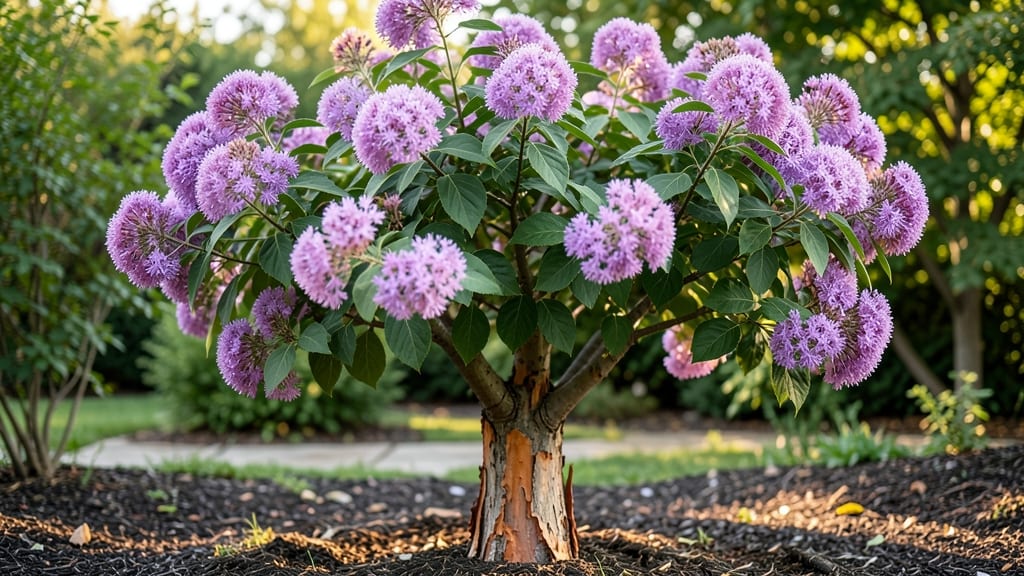
Your garden just got a fragrant spring upgrade with a tree with purple cluster flowers bursting with vibrant blooms that perfume the air for weeks. 🌸 I fell in love with these trees after my first whiff of their sweet, intoxicating fragrance—it’s like spring in a bottle, and they’re far more dramatic than any annual flower.
These trees thrive in full sun and well-drained soil, making them perfect for focal points in any yard. The classic lilac (Syringa vulgaris) is the most familiar, but varieties like ‘Katherine Haviland’ and ‘Dwarf Korean’ offer different shades and sizes to fit any space.
Plant them near patios or walkways to enjoy the scent up close. What you’ll get is months of color—some varieties bloom in early spring, others in late summer—plus glossy foliage that stays attractive long after the flowers fade.
Pair them with lavender, roses, or peonies for a cohesive, fragrant border that keeps blooming all season. Whether you want a small shrub for containers or a tall specimen tree, lilacs adapt beautifully. Just avoid soggy soil, and you’ll have a showstopper that brings neighbors to pause and admire.
Let’s get planting!
📚 In This Guide
- What you need
- Instructions
- Tips and common mistakes
- Wrapping up and next steps
What you need
- ● Lilac Tree: 1 nursery-grown Syringa sapling (choose a variety like Syringa vulgaris for classic purple blooms)
- ● OR 5–10 fresh lilac cuttings (4–6 inches long, with 2–3 sets of leaves)
- ● Soil: 50 lbs well-draining garden soil (mix in compost for nutrients)
- ○ Optional: Perlite or sand (1–2 cups) to improve drainage for cuttings
- ● Fertilizer: 1 bag balanced fertilizer (10-10-10 or 20-20-20, 1 lb)
- ○ 1 cup bone meal (for root development, optional)
- ● Watering Supplies: Watering can or hose with a gentle spray nozzle
- ● 5-gallon bucket for soaking cuttings (if propagating)
- ● Planting Tools: 1 trowel or spade (for digging)
- ● 1 pair pruning shears (sterilized with rubbing alcohol)
- ● 1 grafting knife (if rooting cuttings)
- ● Protective Gear: Garden gloves (to protect from thorns)
- ● Sunscreen and hat (for outdoor work)
- ○ Optional Extras: Mulch (2–3 inches of wood chips or straw to retain moisture)
- ● Plant stakes or tree supports (for young saplings)
- ● pH test kit (to ensure soil is 6.0–7.0, ideal for lilacs)
- ● A sunny location with at least 6–8 hours of sunlight daily
- ● Space for mature growth: 10–20 feet wide (depending on variety)
- ● Access to a water source (lilacs need consistent moisture but hate soggy roots)
- ● Best planting time: Early spring or fall (avoid extreme heat or frost)
Step-by-step guide to planting and caring for lilac trees
Here's how to nurture these fragrant spring showstoppers into healthy, long-lived additions to your landscape.
🌱 Step 1: Choose the Right Location and Planting Time
Lilacs thrive in full sun—select a spot that receives at least 6-8 hours of direct sunlight daily. They tolerate a range of soil types but prefer well-draining, slightly acidic to neutral soil with a pH between 6.0 and 7.0. Avoid low-lying areas where water pools after rain, as soggy roots lead to root rot.
Plant your lilac in early spring or early fall, when temperatures are mild but not extreme. This gives the roots time to establish before the stress of summer heat or winter cold. If you're planting bare-root lilacs, soak the roots in water for 1-2 hours before planting to revive them. For container-grown trees, water thoroughly the day before transplanting.
🪴 Step 2: Dig the Hole and Plant Properly
Dig a hole twice as wide as the root ball but no deeper—lilacs dislike having their roots buried too deeply, which can suffocate them. Loosen the soil at the bottom of the hole with a shovel or fork to encourage root spread. If your soil is heavy clay, mix in a handful of compost or organic matter to improve drainage.
Place the lilac in the hole so the top of the root ball sits 1-2 inches above ground level. This prevents water from pooling around the trunk. Backfill with native soil, tamping gently as you go to remove air pockets. Water deeply after planting to settle the soil and eliminate gaps. Mulch around the base with 2-3 inches of organic mulch, keeping it 6 inches away from the trunk to prevent rot.
☀️ Step 3: Water and Fertilize for Healthy Growth
Water your lilac deeply once a week during the first growing season, providing 1-2 inches of water per week. Lilacs are drought-tolerant once established but need consistent moisture to develop strong roots. After the first year, reduce watering to once every 2 weeks unless your region experiences prolonged dry spells. You'll know it's time to water when the top 2 inches of soil feel dry.
Fertilize in early spring with a balanced, slow-release fertilizer (10-10-10 or similar). Apply it 6 inches away from the trunk and water it in well. Avoid high-nitrogen fertilizers, which encourage leafy growth at the expense of flowers. Lilacs are light feeders—too much fertilizer can reduce blooms and stress the plant. Prune dead or crossing branches in late winter or early spring before new growth begins.
✂️ Step 4: Prune for Shape and Flower Production
Prune lilacs immediately after flowering to maintain their shape and encourage next year’s blooms. Remove 1/3 of the oldest stems at the base to rejuvenate the tree and promote new growth. Cut back any dead, diseased, or crossing branches to improve air circulation and reduce pest risks. Lilacs bloom on old wood, so avoid heavy pruning in late summer or fall, as this removes next year’s flower buds.
Shape the tree by thinning out crowded branches to open up the center. Use clean, sharp pruners to make cuts just above a bud or branch collar. Seal larger cuts with pruning sealant if they’re over ½ inch in diameter to prevent disease entry. Regular pruning keeps your lilac tree looking tidy and ensures vibrant, fragrant blooms for years to come.
Tips & tricks for perfect purple cluster flowering trees
Transforming your garden into a fragrant spring haven starts with these essential strategies for your lilac trees.
Sunlight Strategy: While lilacs thrive in full sun, the 6-8 hours daily requirement means positioning matters. If your yard has partial shade areas, plant the lilac where it gets morning sun and afternoon shade—this prevents leaf scorch while still meeting its sunlight needs. I've seen lilacs in shadier spots struggle to produce their signature blooms, so prioritize that eastern exposure if possible.
Soil Preparation: The secret to vibrant blooms lies in soil prep. Before planting, amend heavy clay soil with compost or organic matter to improve drainage—lilacs hate soggy roots. For sandy soils, mix in a bit of peat moss to retain moisture. I always test soil pH first; if it's outside the 6.0-7.0 range, add sulfur or lime accordingly. This foundational step prevents years of struggles down the road.
Planting Depth: Getting the planting depth right is crucial—the top of the root ball should sit 1-2 inches above ground level. I learned this the hard way when a buried trunk led to rot. Use a level to check positioning, and never mound soil against the trunk. Proper depth ensures the tree establishes strong roots without suffocation.
Watering Wisdom: The 1-2 inches per week watering guideline is perfect, but timing matters. Water deeply in the morning to allow foliage to dry before evening—a must for preventing fungal diseases. During the first year, I check soil moisture by sticking my finger 2 inches down; if it's dry, that's your cue to water. Overwatering is just as harmful as underwatering for these drought-tolerant beauties.
Pro Tips for Tree With Purple Cluster Flowers
- Transforming your garden into a fragrant spring haven starts with these essential strategies for your lilac trees.
- Sunlight Strategy: While lilacs thrive in full sun, the 6-8 hours daily requirement means positioning matters.
- Soil Preparation: The secret to vibrant blooms lies in soil prep.
Frequently asked questions
Got questions about growing and enjoying your purple cluster-flowered lilac tree? You’re not alone! Here are answers to the most common queries to help you make the most of this fragrant beauty.
When is the best time to plant a lilac tree for optimal blooms?
The ideal time to plant a lilac tree is in early spring or early fall, when temperatures are mild. This gives roots time to establish before extreme heat or cold sets in. Avoid planting in late summer or winter, as cold stress or drought can stunt growth. For container-grown lilacs, you can plant year-round (except in frost), but spring is still best!
How long does it take for a lilac tree to flower after planting?
Patience is key! Most lilac trees take 2–3 years to produce their first blooms after planting. Younger trees (under 5 years old) may have smaller clusters, but with proper care—like pruning and fertilization—they’ll reward you with show-stopping purple clusters in full maturity. Older trees (10+ years) often bloom even more abundantly!
Can I grow a lilac tree in a pot, or does it need to be planted in the ground?
Lilacs can thrive in pots, but they need large containers (at least 15–20 gallons) with drainage holes and well-draining soil. Opt for dwarf varieties like ‘Miss Kim’ or ‘Little Leo’, which are better suited for containers. Repot every 2–3 years and move them to a sunny spot in summer. Just remember: potted lilacs may bloom less vigorously than in-ground plants.
Why aren’t my lilac flowers opening, or are they falling off?
Several factors can cause this, but don’t panic! Check for over-pruning (lilacs bloom on old wood), nutrient deficiencies (fertilize in early spring), or pests/diseases (like borers or powdery mildew). If blooms drop early, it could signal stress from underwatering, overwatering, or extreme heat. Trim back dead flowers (deadheading) to encourage more blooms next season!
What are some fragrant alternatives to lilacs with purple flowers?
If you love the scent but want variety, try these purple-blooming, fragrant plants:
- Wisteria – Climbing vines with intoxicating blooms (needs strong support!).
- Lavender – Drought-tolerant shrubs with calming purple spikes.
- Plumbago – Sky-blue to purple flowers that thrive in heat.
- Butterfly Bush (Buddleia) – Attracts pollinators and has fragrant clusters.
Wrapping up and next steps
Adding a lilac tree with its stunning purple cluster flowers to your garden isn’t just about beauty—it’s about creating a fragrant, timeless centerpiece that brings joy for years.
Whether you’re drawn to their sweet scent, vibrant blooms, or low-maintenance charm, these trees are a perfect way to elevate your outdoor space. 🌸
Ready to transform your garden? Start by choosing the right variety for your climate and space, then gather your supplies and follow the simple planting steps. With a little care, you’ll soon be rewarded with breathtaking spring displays that neighbors will envy. Happy planting!