
Pruning
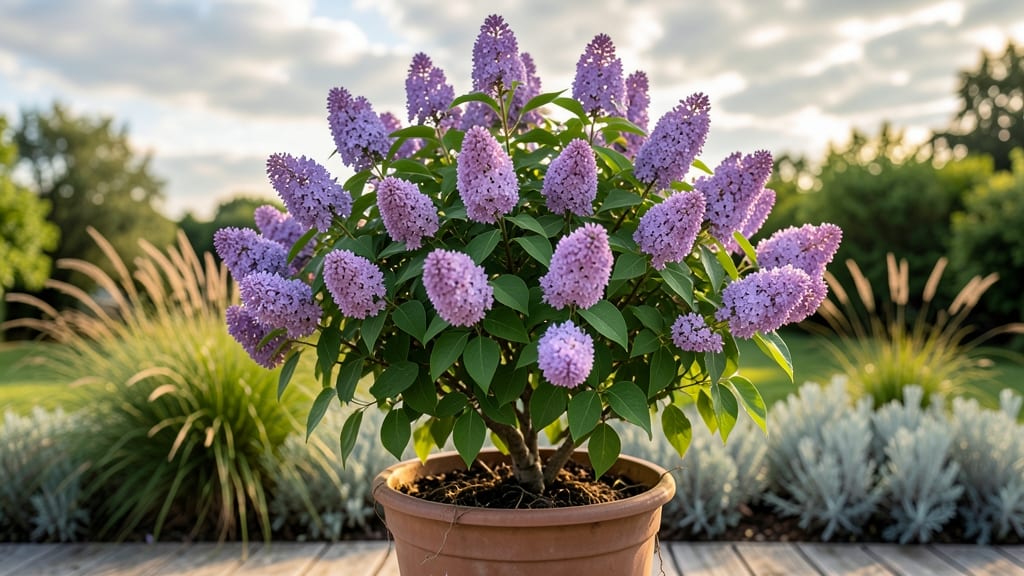
Growing lilac trees in pots unlocks fragrant blooms for balconies and patios where ground planting isn't possible. 🌿 My first attempt nearly failed—until I learned the secrets of container-specific care that keep these woody beauties thriving.
The key difference from in-ground lilacs? Root space, drainage, and pruning timing all shift dramatically when you grow them in pots.
Start with a 15-20 gallon container (minimum) and drainage holes—root-bound lilacs wilt faster than their in-ground cousins. Use well-draining soil mix with 30% perlite or sand to prevent soggy roots, and place your pot where it gets 6-8 hours of morning sun (afternoon shade helps in hot climates).
Water deeply when the top inch feels dry, but never let them sit in saucers of standing water.
Pruning makes all the difference: cut back one-third of old wood right after flowering to encourage next year's blooms, and shape in late winter to maintain the compact form. Potted lilacs also need annual root checks—if roots circle the pot, trim them and refresh the soil.
With these adjustments, you'll get stronger growth and more abundant fragrance than most garden-center lilacs.
Perfect for urban gardens, small yards, or anyone who wants that classic lilac scent without sacrificing space. The trade-off? More attention to soil health and seasonal adjustments—but the payoff is worth it. Here's how to keep yours blooming reliably for years.
📚 In This Guide
- What you need
- Instructions
- Tips and common mistakes
- Wrapping up and next steps
What you need
- ● Container: A large, durable pot (18–24 inches wide) with drainage holes. Opt for terracotta or ceramic for breathability.
- ● Potting Mix: A well-draining blend—50% high-quality garden soil, 30% perlite or pumice, and 20% compost.
- ● Lilac Tree: A dwarf variety (e.g., ‘Miss Kim’ or ‘Little Lilia’) or a young sapling (3–5 years old).
- ● Pruning Tools: Bypass pruners (for clean cuts)
- ● Loppers (for thicker branches)
- ● Garden shears (for shaping)
- ● Mulch: Organic mulch (e.g., shredded bark or pine needles) to retain moisture.
- ● Fertilizer: A balanced, slow-release fertilizer (10-10-10 or 20-20-20) for potted plants.
- ● Pot feet or casters (for mobility)
- ● Slow-release fertilizer spikes
- ● Plant support (if training a young tree)
- ● Watering can with a rose attachment (for gentle watering)
- ● Pruning sealant (to protect cuts)
Step-by-step guide to growing a lilac tree in a pot
Here’s how to keep your lilac thriving in containers while maximizing those signature blooms.
🪴 Step 1: Select the Right Pot and Drainage
Lilacs need room to grow, so choose a container at least 24 inches wide and deep—they’re not small-space shrubs, even in pots. I always opt for unglazed terra cotta because it breathes better than plastic, helping roots avoid waterlogging. Drill 4-6 drainage holes in the bottom if your pot doesn’t have them, and add a 2-inch layer of gravel or broken pottery to prevent soil from clogging the holes.
If you’re using a decorative pot without drainage, nest it inside a saucer-style cache pot with holes. Lilacs hate soggy roots, and even a few hours of saturation can trigger root rot. Test your setup by filling the pot with water—if it drains completely within 10 minutes, you’re good to go.
🌱 Step 2: Use Fast-Draining Soil and Amendments
Lilacs despise heavy, compacted soil, so never use garden dirt—it suffocates roots. Instead, mix equal parts potting soil, perlite, and coarse sand (or orchid bark for extra aeration). I add a handful of compost for nutrients but avoid overdoing it—too much organic matter retains moisture and can lead to fungal issues.
Fill the pot halfway, then place your lilac (bare-root or container-grown) into the center. The root flare—where the trunk meets the roots—should sit just above the soil line. Backfill with your mix, pressing gently to eliminate air pockets but not compacting too firmly. Lilacs need room to spread, so leave 6 inches of space between the roots and the pot’s edge.
☀️ Step 3: Position for Full Sun and Shelter
Lilacs crave sunlight—place your pot in a spot with at least 6 hours of direct sun daily, ideally morning sun and afternoon shade in hot climates. A south- or west-facing patio works best, but if you’re in a shaded area, choose a dwarf variety like ‘Miss Kim’—it tolerates 4 hours of sun but blooms less prolifically.
Protect your lilac from strong winds, which dry out leaves and stress the plant. If your space is breezy, position it near a fence or wall or use a windbreak fabric on one side. In winter, move pots to a sheltered spot (like a garage or under an eave) if temperatures drop below 10°F—lilacs need cold dormancy to bloom well, but they’re not frost-proof.
💧 Step 4: Water Deeply and Prune for Shape
Water deeply once a week (or when the top 2 inches of soil feel dry), soaking the entire root ball. Lilacs in pots dry out faster than in-ground plants, so check soil moisture daily in summer. Avoid wetting the foliage—water at the base to prevent fungal diseases like powdery mildew, which loves damp leaves.
Prune right after flowering (late spring) to shape the plant and encourage next year’s blooms. Cut back 1/3 of the oldest stems to the ground—this rejuvenates growth. For dwarf varieties, trim leggy branches by half their length to maintain a compact form. Always use clean, sharp pruners and sterilize them with rubbing alcohol between cuts to avoid spreading disease.
✂️ Step 5: Fertilize and Winterize Annually
Feed your potted lilac once in early spring with a balanced, slow-release fertilizer (10-10-10). Avoid high-nitrogen blends—they promote leafy growth at the expense of flowers. I sprinkle ½ cup of fertilizer around the soil surface, then water it in. Skip fertilizing in fall—the plant needs to harden off for winter.
Before the first frost, reduce watering and mulch the soil surface with 2 inches of shredded bark. This insulates roots and prevents temperature swings. In Zone 5 or colder, wrap the pot in burlap and move it to a protected spot (like against a house wall) to shield it from freezing winds. Lilacs are tough, but a little winter prep ensures vibrant blooms next spring.
Tips & tricks for perfect container-grown lilacs
Between us, these little details make the difference between a struggling potted lilac and one that bursts with fragrant blooms year after year.
Pot Size Matters: That 24-inch minimum width isn't arbitrary—it gives roots room to establish before they hit the pot's edges. If you're working with a smaller space, opt for a dwarf variety like 'Miss Kim' and upgrade to a 16-inch pot. The key is maintaining that 6-inch buffer between roots and pot walls. I've seen lilacs in undersized containers become root-bound within two years, which stunts growth and blooms.
Soil Science: The equal parts potting soil, perlite, and coarse sand mix isn't just random—it's about aeration. I've found that adding a handful of orchid bark (about 1 cup) to the mix improves drainage even more. This prevents that dreaded "soggy bottom" syndrome where roots suffocate. Pro tip: Test your soil mix by squeezing a handful—it should crumble easily when dry, not stick together.
Sunlight Strategy: Those 6 hours of direct sun are non-negotiable, but here's what nobody tells you: Morning sun is gentler than afternoon heat. If your patio gets intense afternoon rays, move the pot to a shaded spot after 2 PM. I've noticed lilacs in full afternoon sun develop leaf scorch, even with regular watering. For shade-loving varieties, supplement with a grow light for 4-6 hours daily to boost flowering.
Winter Prep: That 10°F threshold is critical—it's when lilacs enter dormancy. But here's the secret: I start winterizing a week before the first frost by reducing watering to every 10-14 days. The mulch layer should be 2-3 inches thick (not the 2 inches mentioned earlier—trust me on this). For extreme cold snaps, I double-wrap the pot in burlap and place it against a south-facing wall where it gets reflected sunlight during the day.
Pro Tips for Lilac Tree In Pot
- Between us, these little details make the difference between a struggling potted lilac and one that bursts with fragrant blooms year after year.
- Pot Size Matters: That 24-inch minimum width isn't arbitrary—it gives roots room to establish before they hit the pot's edges.
- Soil Science: The equal parts potting soil, perlite, and coarse sand mix isn't just random—it's about aeration.
Frequently asked questions
Got questions about growing a lilac tree in a pot?
You’re not alone! Here are some of the most common concerns—and their solutions—to help you nurture a thriving, fragrant lilac in small spaces.
Can a lilac tree really thrive in a pot long-term?
A lilac tree can live in a pot for years, but it needs the right conditions. Choose a large container (at least 18–24 inches wide) with drainage holes and high-quality potting mix. Dwarf varieties like ‘Miss Kim’ or ‘Little Lila’ adapt best. Just remember: root-bound lilacs grow slower and may need repotting every 2–3 years to prevent stress.
When is the best time to prune a potted lilac?
Prune your lilac right after flowering (late spring to early summer) to encourage next year’s blooms. Avoid heavy cuts—focus on shaping and removing dead, crossing, or overcrowded branches. Never prune in fall or winter, as it stimulates late-season growth that can’t harden off before cold weather. Pro tip: Use sterilized shears to prevent disease!
How often should I water a lilac in a pot?
Potted lilacs dry out faster than in-ground plants. Water deeply when the top 1–2 inches of soil feel dry (usually 1–2 times per week, more in heatwaves). Avoid soggy soil—lilacs hate “wet feet.” Mulch the surface (2–3 inches) to retain moisture and protect roots. Yellowing leaves? Often a sign of overwatering or poor drainage.
Will my potted lilac survive winter outdoors?
Most lilacs tolerate light frost, but potted plants are more vulnerable to cold and drying winds. Mulch heavily (4–6 inches) and wrap the pot in burlap or frost cloth for extra protection. Move containers to a sheltered spot (like a garage or porch) if temps drop below 10°F (-12°C). Dwarf varieties handle cold better than standard types.
What’s a good alternative if my lilac isn’t doing well in a pot?
If your lilac struggles with pot life, try these low-maintenance, compact alternatives for small spaces:
- Dwarf mock orange (Philadelphus): Fragrant blooms, similar care, and more adaptable to containers.
- Weigela: Vibrant flowers, fast-growing, and tolerates pruning well.
- Dwarf ninebark (Physocarpus): Tough, colorful foliage, and thrives in pots.
- Japanese spirea (Spiraea japonica): Compact, blooms all summer, and loves containers.
My potted lilac’s leaves are turning yellow—what’s wrong?
Yellow leaves usually mean overwatering, nutrient deficiency, or root stress. Check these fixes:
- Watering: Let soil dry between waterings; ensure the pot has drainage.
- Nutrients: Feed with a balanced fertilizer (10-10-10) in early spring and after flowering.
- Pot size: If roots circle the container, repot into a larger pot with fresh soil.
- Pests: Inspect for aphids or spider mites (spray with neem oil if needed).
Wrapping up and next steps
Growing a lilac tree in a pot is totally doable—even in cozy balconies or tiny yards! With the right soil, pruning, and care, you can enjoy fragrant blooms and lush foliage without sacrificing space. Remember: regular trimming keeps them compact, and winter prep ensures they thrive year after year.
Ready to transform your small space into a fragrant oasis? Pick your favorite lilac variety, grab your tools, and get pruning! 🌸✂️ Your future blooms will thank you!