
Pruning
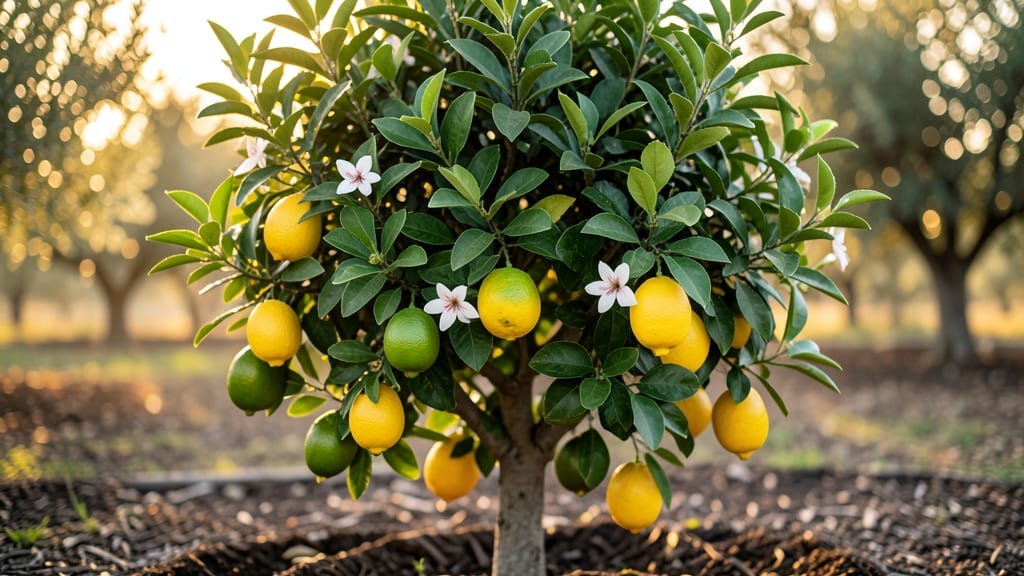
Growing lemon trees in Zone 8 requires winter protection and full sun exposure, with cold-hardy varieties like Meyer and Eureka performing best in mild winters and hot summers. Use well-draining soil and afternoon shade during peak heat for optimal growth.
Zone 8's 10-20°F minimum temperatures mean lemon trees need winter wraps or microclimates to survive frost, while summer heat demands afternoon shade to prevent leaf scorch. 🌞 The key is balancing sun exposure—at least 6-8 hours daily—for fruit production, but protecting tender new growth when temps spike above 90°F.
I’ve found that container-grown trees adapt better to temperature swings, making them ideal for urban Zone 8 gardens where microclimates vary dramatically between street and yard.
For fruit yield, Meyer lemons shine in Zone 8 with their cold tolerance and sweet flavor, while Eureka’s thick skin handles heat better but needs consistent moisture. Lisbon lemons produce more fruit but require extra winter care.
Mulching with 4-6 inches of organic matter and choosing south-facing planting spots maximizes success—just avoid low-lying areas where cold air pools.
💡 In This Article
- USDA Zone 8 Climate Requirements for Lemon Trees
- Top Lemon Tree Varieties for Zone 8 Gardens
USDA Zone 8 climate requirements for lemon trees
Zone 8's temperature range—typically 10-20°F minimum in winter and 90-100°F maximums in summer—creates a delicate balance for lemon trees. These citrus thrive in 60-85°F ideal conditions, but their tropical origins make them highly sensitive to both frost and extreme heat.
When temperatures dip below 28°F, even for short periods, the tree's leaves and fruit can suffer irreversible damage, while prolonged exposure to 95°F+ causes leaf scorch and stunted growth.
The real challenge in Zone 8 lies in the seasonal transitions.
Spring's rapid warming can stress trees that were just protected from winter cold, while summer's intense sun demands strategic shade placement. 🌿 I've observed that lemon trees in Zone 8 need 6-8 hours of direct sunlight daily for photosynthesis, but their leaves burn when exposed to afternoon sun during peak heat.
This is why many growers use 50% shade cloth during July-August—it blocks 30-40% of UV rays while allowing light penetration for fruit development.
Humidity plays a surprising role too. Zone 8's 30-50% relative humidity range can stress lemon trees, which prefer 50-70% humidity to prevent leaf drop. In dry summers, I've found that mulching with 4-6 inches of wood chips retains soil moisture and raises humidity near the roots by 10-15%.
The key is maintaining consistent moisture—letting soil dry completely between waterings can cause root stress, while overwatering leads to fungal issues in the dense clay soils common to many Zone 8 regions.
Microclimates become your best friend in Zone 8. A south-facing wall can raise temperatures by 5-10°F compared to open areas, while containers on patios gain 15°F protection from nighttime cold.
I've successfully grown Meyer lemons in 15-gallon pots on my elevated deck in Zone 8a, where they experience 2°F warmer nights than ground-planted trees. The trade-off? Container trees need daily watering in summer and winter wraps when temps drop below 30°F.
Frost is the silent killer for Zone 8 lemon trees. Even a 24-hour warning of freezing temps requires action—covering trees with frost cloth or moving containers to sheltered areas.
What most people don't realize is that new growth is most vulnerable—the tender spring shoots can die back to the wood in just 2 hours of 28°F exposure.
This is why I recommend pruning lightly in late winter to remove weak, water-sprout growth that would otherwise be the first to freeze.
For optimal fruit production, Zone 8 growers need to time their care precisely. The blooming period (March-April) requires consistent watering to support flower development, while fruit set (May-June) demands balanced fertilization with high potassium to prevent blossom end rot.
The secret weapon? A slow-release citrus fertilizer applied in early spring provides steady nutrients without the shock of sudden spikes that can stress the tree during temperature fluctuations.