
Pruning
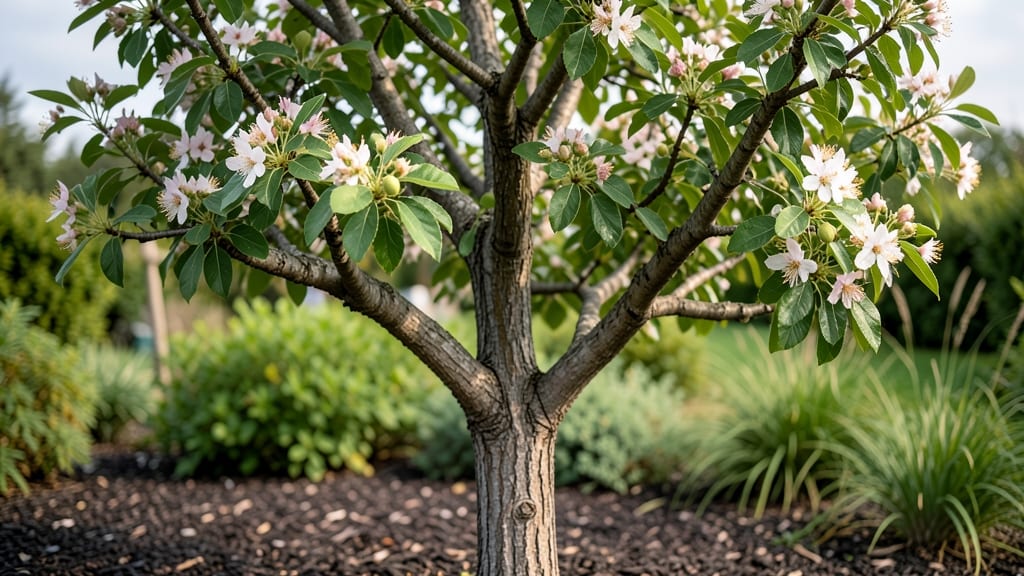
Almond trees thrive best in USDA hardiness zones 5 through 9, with peak performance in zones 6-8. Young trees risk damage below 10°F, while mature trees can handle brief dips to -10°F.
Understanding these zones helps you choose the right almond variety for your climate. Zone 5 gardeners should opt for cold-hardy types like 'Fritz,' while 'Nonpareil' thrives in zones 6-9. Winter chilling hours (300-700) trigger blooming, so southern zones may need microclimate adjustments like windbreaks or mulch. 🌱 Extreme cold disrupts pollen viability, reducing harvests—especially in young trees.
For example, a zone 7 garden might plant 'Butte' almonds, while zone 9 growers should avoid varieties needing deep winter dormancy. Mulching with straw and watering before freeze events adds 5-10°F of protection. The key is matching your local zone to the tree's cold tolerance and chilling requirements.
💡 In This Article
- How USDA Zones Affect Almond Tree Survival and Growth
- Best Almond Varieties for Cold and Warm Climates
How USDA zones affect almond tree survival and growth
Almond trees rely on a delicate balance of cold exposure and warm growing seasons. The USDA zones determine their survival because these trees need 300-700 chilling hours (temperatures between 32-45°F) to break winter dormancy and trigger blooming.
In zones 5-6, trees naturally accumulate these hours, but in warmer zones like 8-9, they may not get enough cold exposure, leading to poor or delayed flowering.
This is why 'Nonpareil' thrives in zones 6-9—it's bred to handle moderate chilling requirements, while varieties like 'Fritz' can survive zone 5's harsher winters with 700+ chilling hours. 🌡️
The science behind this involves a plant hormone called abscisic acid, which builds up during cold exposure. When temperatures drop, this hormone signals the tree to stop growing and enter dormancy. Without enough chilling hours, the tree may bloom erratically or not at all, reducing fruit production.
For example, a zone 9 garden might see almond trees flowering late or producing sparse crops because they didn't get sufficient winter cold. This is why some growers in warm climates use artificial chilling methods, like refrigeration, to mimic winter conditions.
Winter dormancy also protects almond trees from extreme cold, but there's a limit. Young trees are more vulnerable because their root systems aren't fully established, so they can't absorb water and nutrients as efficiently during freeze events.
A sudden drop below 10°F can cause bark splitting or dieback in young trees, while mature trees with thicker bark can tolerate brief dips to -10°F.
This is why gardeners in zone 5 often plant trees in microclimates with windbreaks or use mulch to insulate roots—adding 5-10°F of protection during cold snaps. 🌳
Extreme cold also disrupts pollen viability, which is critical for almond production. Pollen grains lose viability below 28°F, meaning even if flowers bloom, they may not set fruit if temperatures dip too low during pollination season.
This is why zone 6-8 growers often plant multiple almond varieties together to ensure cross-pollination, even if some pollen is compromised by cold. For instance, 'Butte' almonds, which thrive in zones 7-9, are less cold-hardy than 'Fritz,' so they require careful site selection to avoid late-season freezes.
Another factor is soil temperature. Almond trees need the ground to warm to at least 50°F before they can actively grow in spring. In cooler zones like 5-6, this happens later in the season, giving trees a shorter growing window.
Meanwhile, in zones 8-9, the soil warms earlier, but the lack of chilling hours can still limit blooming. This is why some zone 9 growers choose varieties like 'Carmel,' which can handle partial shade and cooler microclimates, even if they don't get as much winter chill as northern varieties. 🌿
To mitigate these risks, gardeners can use mulch, drip irrigation, or even low tunnels to create microclimates that extend the growing season. For example, a 4-inch layer of straw mulch can insulate roots and protect against temperature swings.
In zones 7-9, where heat stress is a bigger issue, shade cloth or strategic planting near buildings can reduce heat exposure. The key is understanding your local zone's nuances and adjusting care practices accordingly.