
Pruning
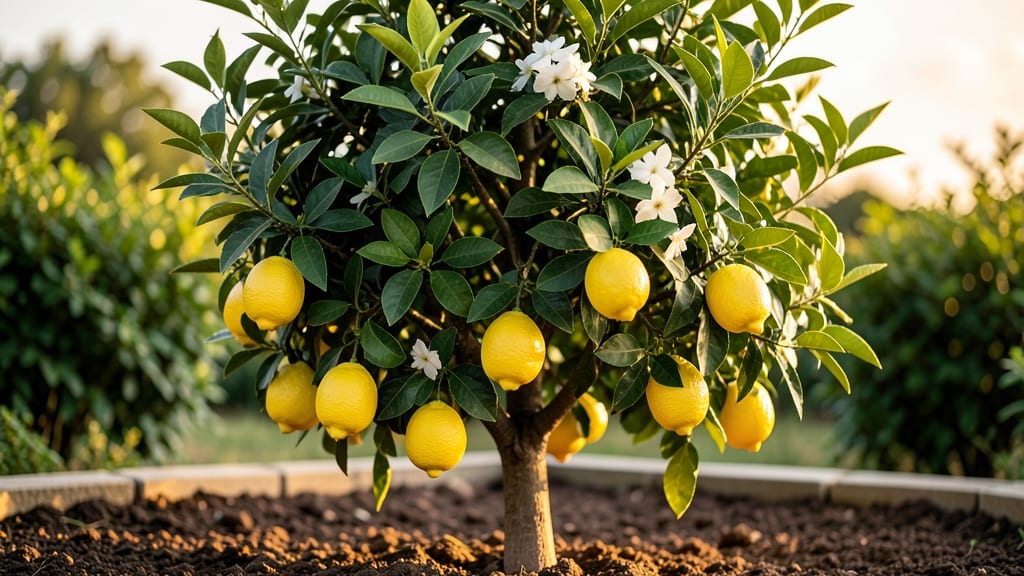
The poisonous oils in lemon tree thorns aren’t just sharp—they can leave painful welts or even allergic reactions when mishandled. 🌿 I’ve learned the hard way that proper protection isn’t just about avoiding pruning injuries; it’s about keeping your skin safe while working with these spiky citrus trees. The last thing you want is a trip to the ER after a day in the garden.
Those thorns contain oils that can irritate skin, especially if you have sensitive skin or allergies. Wearing thick gardening gloves (like leather or heavy-duty fabric) and long sleeves is non-negotiable—even a small prick can turn into a swollen, itchy mess.
I always keep a small bottle of rubbing alcohol nearby to clean any accidental pricks immediately, which helps prevent infection.
When pruning, work slowly and use bypass pruners to avoid crushing the branches, which can make thorns more likely to break off and lodge in your skin.
A long-sleeved shirt and closed-toe shoes add another layer of defense, and I’ve even wrapped my arms in athletic tape for extra protection during heavy pruning sessions.
The key to safe removal is patience—don’t rush, and always prune in a well-ventilated area. If you do get pricked, wash the area with soap and water, then apply a cold compress to reduce swelling. With the right precautions, you can keep your lemon tree thriving and your skin irritation-free.
Natural Defenses Triggering Thorns
Lemon tree thorns aren’t just a nuisance—they’re a survival mechanism. These sharp, woody projections serve as the tree’s first line of defense against threats, from hungry herbivores to harsh environmental stressors.
Understanding why your lemon tree develops thorns—and why they can sometimes pose a risk to humans or pets—helps you manage them safely. Below, we break down the key biological and environmental triggers behind their formation.
Thorns in lemon trees (especially Citrus limon varieties) are hardwired into their genetics. Many citrus species, including lemons, evolved thorns as a protective adaptation. These structures grow from modified stems or axillary buds, emerging at branch junctions where they’re most effective at deterring predators.
While not all lemon trees are equally thorny—some cultivars like Meyer lemons have fewer thorns—genetics play a foundational role in their presence.
Why it matters: If your tree is naturally thorny, pruning won’t eliminate thorns entirely, but it can reduce their density and sharpness over time.
When animals—like deer, rabbits, or even squirrels—chew on lemon tree leaves or bark, the tree responds by producing more thorns. This is a classic example of induced defense, where physical damage triggers a chemical signal (often jasmonic acid) that prompts thorn growth.
The sharper the threat, the more aggressive the tree’s response.
Actionable insight:
- 🔍 Monitor for pests: If you notice sudden thorn proliferation, check for gnaw marks or droppings near the tree.
- 🛡️ Protect young trees: Use tree guards or chicken wire to shield saplings from wildlife until they’re established.
Thorns can also flare up when lemon trees experience stress from their surroundings. Common triggers include:
| Stressor | How It Triggers Thorns |
|---|---|
| 🌡️ Extreme Heat or Drought | The tree diverts energy from fruit production to survival, prioritizing thorn growth as a water-conservation strategy. |
| ❄️ Cold Snaps or Frost | Damage to leaves or bark signals the tree to produce thorns faster to protect vulnerable stems. |
| 🌱 Poor Soil or Nutrient Deficiency | Lack of nitrogen or phosphorus forces the tree to allocate resources to defensive structures instead of growth. |
| 💧 Overwatering or Root Rot | Root stress can mimic herbivore damage, prompting thorn formation as a "false alarm" defense. |
Pro tip: 💡 Improve growing conditions—like amending soil with compost or mulching—to reduce stress-related thorn growth.
Thorn development is regulated by plant hormones, primarily auxins and cytokinins. When a lemon tree detects damage (e.g., a broken branch or insect bite), these hormones shift into "defense mode," stimulating meristem cells to form thorns.
Interestingly, some studies suggest that pruning itself can trigger mild thorn growth at the cut sites, as the tree perceives the wound as a threat.
Key takeaway: If you prune aggressively, the tree may compensate by producing more thorns—so always use sterilized tools and make clean cuts to minimize stress signals.
By recognizing these triggers, you can take proactive steps to manage thorns while keeping your lemon tree healthy. The next step? Learning how to prune safely without harming the tree—or yourself!
Safe Removal Methods for Thorny Lemon Trees
Removing thorns from a lemon tree without harming the plant requires the right tools, techniques, and precautions. Below are practical, step-by-step solutions tailored to common causes—whether you're dealing with overgrowth, accidental pruning mishaps, or general maintenance.
Follow these methods to keep your tree healthy while staying safe from its sharp defenses.
If your lemon tree is producing excessive thorns due to unchecked growth, proper pruning is key. Thorns often form where branches are damaged or overcrowded, so strategic trimming can reduce their frequency.
Step-by-Step Fix:
- 🍳 Identify the Right Time Prune during late winter or early spring (before new growth starts) to minimize stress on the tree. Avoid heavy pruning in summer, as it can weaken the plant.
- 👨🍳 Use Clean, Sharp Tools
- Disinfect shears or pruning saws with rubbing alcohol to prevent disease spread.
- Choose bypass pruners for small branches and a pruning saw for thicker stems.
- 🥘 Cut at the Right Angle
- Make cuts just above a leaf node (the point where leaves attach) at a 45-degree angle to encourage healthy regrowth.
- Avoid leaving stubs—thorns can sprout from wounded areas.
- ⏰ Thin Out, Don’t Just Trim Remove crossing or rubbing branches first, as these create friction and trigger thorn production. Aim for an open canopy to improve airflow and sunlight penetration.
💡 Pro Tip: If thorns persist after pruning, your tree may be stressed—check for pests, nutrient deficiencies (like lack of nitrogen), or improper watering. A balanced citrus fertilizer can help.
If thorns formed after physical damage (e.g., from tools, animals, or storms), the tree’s defense mechanism kicked in. Here’s how to seal wounds and prevent further thorn growth.
Step-by-Step Fix:
- 🔪 Assess the Damage
- For small cuts, no action is needed—the tree will heal naturally.
- For large wounds (over ½ inch wide), act quickly to prevent disease.
- 🌡️ Clean the Area
- Wipe the wound with a damp cloth to remove sap or debris.
- Apply hydrogen peroxide (3%) or copper fungicide to disinfect.
- 🎯 Seal with Pruning Wax
- Use tree wound sealant (like Tanglefoot Tree Wound Pruning Sealer) to cover the area.
- Avoid petroleum-based products—they can suffocate the tree.
- ✨ Monitor for Signs of Stress
- If the tree shows yellowing leaves or stunted growth, it may need extra care:
- Water deeply (1–2 inches per week, depending on climate).
- Avoid fertilizing for 4–6 weeks to let it recover.
- If the tree shows yellowing leaves or stunted growth, it may need extra care:
💡 Pro Tip: If thorns appear only on damaged branches, consider removing the entire branch at its base (down to the main trunk) to eliminate the problem source.
The best way to handle thorns? Stop them before they start. These simple habits can keep your lemon tree thorn-free (or at least manageable).
| Cause | Prevention Method | When to Do It |
|---|---|---|
| Overcrowded branches | Prune annually to improve airflow. | Late winter/early spring. |
| Nutrient deficiency | Use slow-release citrus fertilizer (balanced NPK). | Spring and fall. |
| Physical stress | Mulch with wood chips to retain moisture. | Year-round (refresh mulch annually). |
| Pest damage | Spray with neem oil (natural repellent). | Every 2–4 weeks in growing season. |
| Improper watering | Water deeply but infrequently (drought stress triggers thorns). | Early morning (avoid wetting leaves). |
💡 Pro Tip: Plant companion plants like marigolds or basil near your lemon tree—they repel pests that stress the tree, reducing thorn production.
Final Note: Thorns are your lemon tree’s way of saying, “I’m under attack!” By addressing the root cause—whether it’s poor pruning, stress, or damage—you’ll not only reduce thorns but also strengthen your tree’s health.
Always wear gloves and long sleeves when working with lemon trees, and never prune in wet conditions (which spreads disease faster). 🌿
Frequently asked questions
Are lemon tree thorns actually poisonous?
The thorns themselves aren't poisonous, but they contain oils and sap that can cause skin irritation, redness, or allergic reactions in sensitive individuals. These oils act like a natural defense mechanism, creating discomfort when you come into contact with them. Always wear gloves when handling lemon trees.
What should I do if I get pricked by a lemon tree thorn?
First, wash the area with soap and water to remove oils. Apply a cold compress to reduce swelling, and consider using an antiseptic cream to prevent infection. If irritation persists or you notice signs of an allergic reaction (like rash or itching), consult a healthcare professional.
Can lemon tree thorns harm pets?
Yes, pets can be at risk if they brush against thorns or try to chew on the tree. The oils can irritate their mouths or paws, and sharp thorns may cause cuts. Keep pets away from lemon trees during pruning, and consider using a temporary barrier if your pet is curious.
Will pruning reduce the number of thorns?
Pruning can help manage thorn growth by removing overcrowded branches, but it won't eliminate thorns entirely. Focus on proper pruning techniques—like cutting at the right angle and avoiding damage—to minimize stress, which triggers more thorn production. Regular maintenance keeps the tree healthier overall.