
Trees
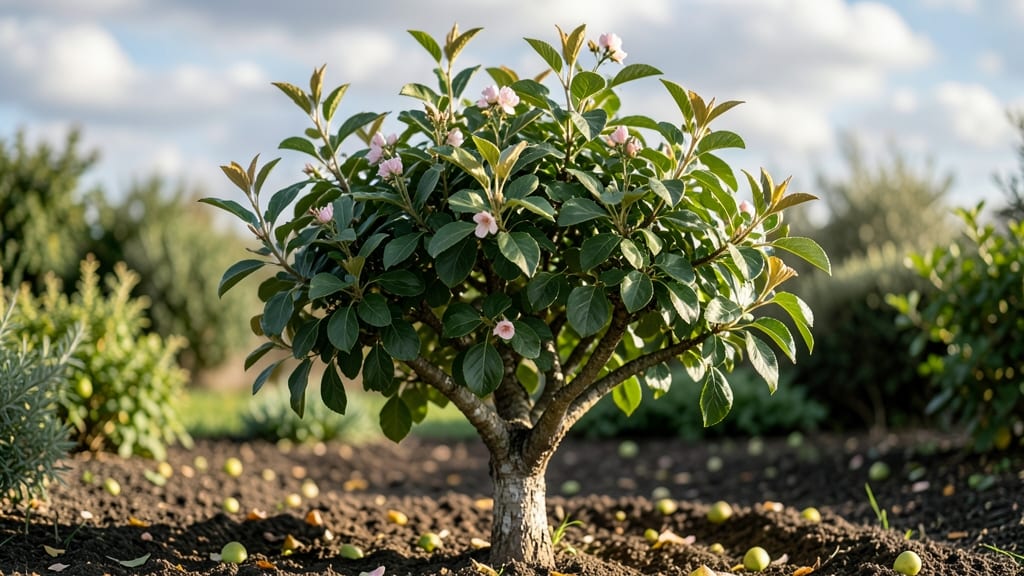
Greengage tree leaves need strategic pruning to stay vibrant all year—otherwise, you're fighting fungal spots and sparse blooms. 🌿 I learned the hard way when my tree lost half its foliage to bacterial leaf spot after a wet spring, but now I prune with purpose: removing dead wood in late winter and thinning crowded branches in summer to boost airflow.
Start with sterilized pruners and focus on 3 key cuts: first, snip out any leaves with brown edges or black spots (diseased foliage spreads fast), then open up the canopy by removing 10-15% of the smallest branches, and finally, shape the tree to let sunlight reach the center.
The payoff? Fewer pest hotspots, stronger new growth, and healthier fruit next season.
📚 In This Guide
- What you need
- Instructions
- Tips and common mistakes
- Wrapping up and next steps
What you need
- ● Pruning shears – Bypass pruners (sharp, 6–8" blades) for clean cuts on small branches.
- ● Loppers – Long-handled (20–24") for thicker branches (½"–2" diameter).
- ● Pruning saw – Curved-tooth, 8–10" blade for branches over 2" thick.
- ● Gloves – Heavy-duty, cut-resistant (e.g., leather or synthetic mesh).
- ● Safety glasses – Protect your eyes from debris.
- ● Ladder or step stool – Sturdy, non-slip (if your tree is over 6–8 ft tall).
- ○ Disinfectant (optional but recommended) – 70% rubbing alcohol or bleach solution (1:9 ratio) to sterilize tools between cuts and prevent disease spread.
- ● Weather check – Prune on a dry, cloudy day (avoid wind or rain). Ideal temps: 50–75°F (10–24°C).
- ● Tree health assessment – Inspect for dead, diseased, or crossing branches before cutting.
- ● Cleanup supplies – Garden bags or bucket for debris, broom for leaves.
- ○ First-aid kit (optional) – Bandages, antiseptic wipes for minor scrapes.
Instructions for pruning greengage tree leaves
Here’s how I keep my greengage tree thriving with clean cuts and smart timing.
✂️ Step 1: Prune in Late Winter or Early Spring
The best time to prune your greengage tree is 2-4 weeks before buds swell—typically February through March in most climates. This timing ensures you remove dead wood while the tree is dormant, reducing stress and disease risk. I always wait until after the coldest stretch of winter, as late pruning can expose fresh cuts to frost damage.
Look for dead, diseased, or crossing branches first—these are your top priorities. Dead branches snap easily when bent, while diseased ones may have blackened bark or oozing sap. Use sharp bypass pruners for clean cuts, and avoid tearing the bark by making cuts just outside the branch collar.
🌿 Step 2: Remove Suckers and Water Sprouts
Greengage trees often produce suckers (vigorous shoots from the base) and water sprouts (fast-growing vertical shoots). These compete with fruit production and weaken the tree’s structure. I remove them as soon as they appear, usually in early spring or summer. Suckers grow from the rootstock or graft union, while water sprouts emerge from the main branches.
Use hand pruners for smaller shoots and loppers for thicker growth. Cut at a 45-degree angle just above a leaf node or lateral bud to encourage outward growth. If left unchecked, these shoots drain energy from fruit production, so don’t skip this step—your tree will thank you with better harvests.
☀️ Step 3: Thin Out Crowded Branches for Airflow
Thinning branches improves airflow and sunlight penetration, which is critical for fruit quality and disease prevention. Focus on overlapping or rubbing branches—these create entry points for pests and fungi. I aim to remove 20-30% of the tree’s canopy in a single session, but never more than that to avoid shocking the tree.
Start at the outer edges and work inward, removing branches that grow inward or downward. Make your cuts just above an outward-facing bud to encourage strong, upright growth. If you’re unsure which branch to keep, choose the one with the best angle—typically 45 degrees or less from the trunk or parent branch.
⏰ Step 4: Light Summer Pruning for Shape and Health
After the initial spring pruning, I do a light maintenance trim in late summer (around July or August). This is when I remove any deadheading (spent blossoms), damaged leaves, or shoots growing toward the center. Summer pruning helps the tree redirect energy toward root development and next year’s fruit buds.
Use sharp pruning shears to make clean cuts, and avoid heavy pruning—this can stimulate late-season growth that won’t harden off before winter. If you notice any diseased leaves or branches, remove them immediately and dispose of them in the trash (not the compost). This prevents the spread of fungal infections like silver leaf disease, which is common in greengage trees.
🪴 Step 5: Clean Up and Apply Wound Sealant (If Needed)
After pruning, rake up and dispose of all debris—this removes potential hiding spots for pests and pathogens. For large cuts (over ½ inch in diameter), I apply a wound sealant to protect the tree from infection. However, for smaller cuts, I skip the sealant because it can sometimes trapped moisture, leading to rot.
Water the tree deeply after pruning to help it recover, especially if the weather has been dry. Mulch around the base (but keep it 2-3 inches away from the trunk) to retain moisture and regulate soil temperature. This final step ensures your greengage tree stays healthy and productive for years to come.
Tips & tricks for pruning greengage trees like a pro
These simple but game-changing tips will help you prune your greengage tree with confidence and precision.
Timing is Everything: The 2-4 week window before buds swell in late winter is crucial—this is when the tree is fully dormant but about to wake up. I always check the weather forecast and aim for a dry, calm day to minimize stress on the tree. If you're in a warmer climate, you might need to adjust to early spring. The goal is to finish pruning before the tree starts actively growing, which can vary by region.
Tool Selection Matters: Never use dull pruners—they tear bark and create jagged cuts that invite disease. I invest in high-quality bypass pruners for branches up to ½ inch thick and loppers for anything larger. For thick branches over 2 inches, I use a pruning saw. Always clean your tools with rubbing alcohol between cuts to prevent spreading pathogens from diseased branches.
Visual Cues for Healthy Cuts: When making cuts in Step 1, look for the branch collar—the swollen area where the branch meets the trunk. Make your cut just outside this collar, leaving a small bump. This natural feature helps the tree heal properly. For Step 3, when thinning branches, imagine sunlight streaming through the canopy—your goal is to create an open structure that lets light reach all parts of the tree.
Seasonal Maintenance Strategy: The light summer pruning in Step 4 is often overlooked but makes a huge difference. I schedule this for July or August after the tree has finished fruiting. This timing allows the tree to recover before winter while still giving it time to harden off any new growth. Focus on removing only what's necessary—just enough to maintain the shape and remove deadheading without over-stressing the tree.
Pro Tips for Greengage Tree Leaves
- These simple but game-changing tips will help you prune your greengage tree with confidence and precision.
- Timing is Everything: The 2-4 week window before buds swell in late winter is crucial—this is when the tree is fully dormant but about to wake up.
- Tool Selection Matters: Never use dull pruners—they tear bark and create jagged cuts that invite disease.
Frequently asked questions
Got questions about greengage tree leaves?
You’re not alone! Here are some of the most common queries—and their answers—to help you keep your tree thriving.
When is the best time to prune greengage tree leaves?
The ideal time to prune is late winter or early spring (before buds break) or right after harvest. Avoid pruning during frost or extreme heat. Pro tip: Light pruning can also happen in summer to shape the tree, but avoid heavy cuts then.
How do I tell if I’m pruning too much?
If you see excessive leaf loss, stunted growth, or exposed branches with no foliage, you’ve likely over-pruned. A good rule is to remove no more than 25% of the canopy in one session. Always prioritize healthy branches over aggressive cuts!
Can I use greengage tree leaves for anything besides pruning?
While pruned leaves aren’t typically used for cooking (they’re bitter), you can compost them or use them as mulch. Fun fact: Some gardeners brew leaf tea from fallen greengage leaves as a natural fertilizer—just steep them in water for a week!
What should I do if my greengage tree leaves turn yellow or brown?
Yellowing leaves often signal nutrient deficiency (like iron or nitrogen), while brown edges may mean underwatering or fungal issues. Check for pests, adjust watering, and fertilize with a balanced tree formula. If spots appear, prune affected areas immediately to prevent spread.
Are there alternatives to pruning if I’m a beginner?
Start with light shaping—focus on removing dead, crossing, or overcrowded branches. Use sharp bypass pruners and disinfect tools between cuts. For complex tasks, consult a local arborist or watch beginner-friendly tutorials. Patience is key!
Wrapping up and next steps
Mastering the art of pruning your greengage tree leaves ensures a thriving, productive tree year after year! 🌿 Whether you’re trimming for shape, health, or fruit yield, the right techniques—like timing, tool care, and seasonal adjustments—make all the difference.
With patience and practice, your tree will reward you with lush foliage and delicious harvests.
Ready to take your greengage tree to the next level? Start small: pick one season to focus on, gather your tools, and observe your tree’s response. Over time, you’ll refine your skills and enjoy a flourishing garden oasis! 🌱