
Pruning
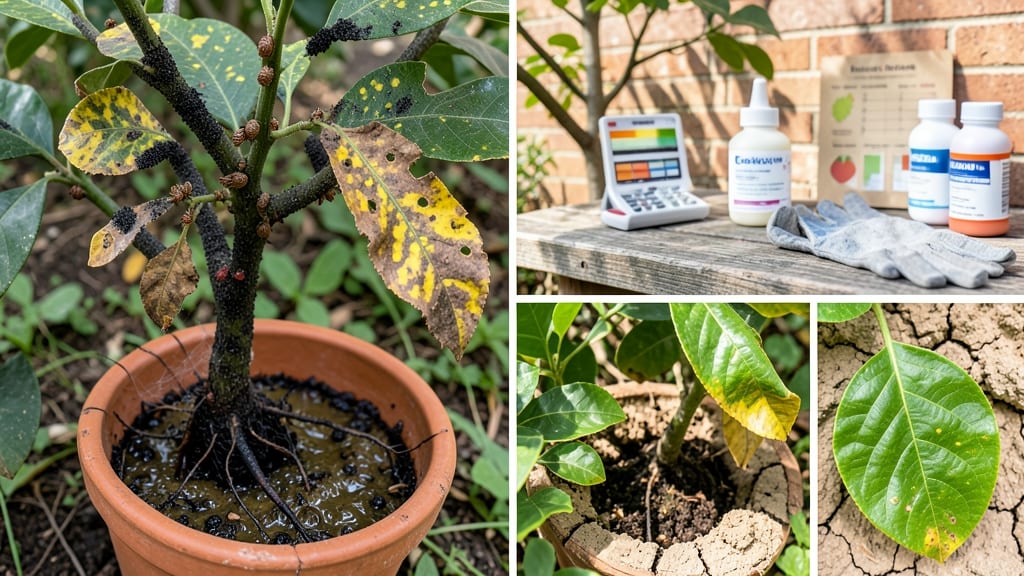
Your sick lemon tree’s drooping leaves aren’t a death sentence—just a cry for help. 🌿 I’ve nursed back more than my share of struggling citrus trees, and the key is acting fast before small problems spiral.
The good news? Most issues boil down to three core fixes that work for yellowing, wilting, or even pest-bitten branches.
Yellow leaves usually mean overwatering or nutrient burnout, while wilting often signals underwatering or root stress. Pests like aphids or scale leave sticky residue and stunted growth. The fix for each is different—but all start with checking the soil, inspecting leaves, and adjusting care immediately.
I’ll walk you through the exact steps that saved my Meyer lemon’s second year.
By the end, you’ll spot the early warning signs (like these 3 subtle clues most gardeners miss) and know whether to prune, fertilize, or spray. The best part? Organic solutions work just as well as harsh chemicals—and your tree’s recovery will be visible within 2-4 weeks if you act now.
We’ll also cover when to call in a pro (hint: it’s rare, but fungal infections like root rot need expert help). Whether your tree’s in a pot or planted, these fixes adapt easily. Let’s get that foliage perking up again!
Root Causes Of Lemon Tree Decline
When your lemon tree starts looking less than vibrant, the problem often traces back to hidden stressors lurking beneath the soil or within its environment. Understanding these root causes—literally and figuratively—is the first step to bringing your citrus back to life.
Let’s break down the science behind why lemon trees turn sickly, so you can diagnose and fix the issue before it’s too late.
Lemon trees are drought-tolerant natives of Mediterranean climates, meaning they hate soggy roots.
When soil stays too wet for too long, oxygen can’t reach the roots, leading to: - Root rot (Phytophthora or Fusarium fungi), which strangles nutrient uptake. - Yellowing leaves (chlorosis) from oxygen deprivation. - Drooping branches as the tree struggles to transport water.
Why it happens:
- Compacted or clay-heavy soil traps moisture, preventing evaporation.
- Lack of drainage holes in pots forces water to pool at the bottom.
- Overzealous watering (especially in cool weather) when the tree doesn’t need it.
Actionable clue: Stick your finger 2 inches into the soil—if it’s damp, wait before watering again.
Fungi and bacteria thrive in warm, humid conditions, turning your lemon tree’s leaves into a buffet.
Common culprits include: - Citrus canker (Xanthomonas axonopodis): Creates crusty, oily spots that spread rapidly. - Root rot (Pythium or Phytophthora): Soft, mushy roots that collapse when touched. - Anthracnose (Colletotrichum): Dark, sunken lesions on leaves and fruit.
Why it happens:
- High humidity (above 80%) + poor airflow = fungal paradise.
- Wet foliage from overhead watering or rain invites spores to land and infect.
- Weakened tree (from stress, poor soil, or pests) can’t fight off invaders.
Actionable clue: Check the underside of leaves for fuzzy mold or dark spots—early signs of fungal takeover.
Lemon trees are heavy feeders, and when their diet lacks key nutrients, they show it through tell-tale leaf symptoms:
- Yellow leaves between veins = iron deficiency (chlorosis).
- Purple stems or new growth = phosphorus deficiency.
- Small, pale leaves = nitrogen deficiency or zinc toxicity.
Why it happens:
- Alkaline soil (pH > 7.0) locks out iron and manganese, even if they’re present.
- Over-fertilizing with nitrogen burns roots and starves the tree of micronutrients.
- Poor soil structure (lack of organic matter) limits nutrient availability.
Actionable clue: Test your soil’s pH—lemons thrive in slightly acidic soil (6.0–7.0). If it’s off, amend with sulfur (to lower pH) or lime (to raise pH).
Tiny invaders like aphids, scale insects, or spider mites suck sap, weaken the tree, and spread viruses.
Their damage often looks like: - Sticky residue (honeydew) on leaves = aphids or scale. - Fine webbing on undersides = spider mites. - Wilting or curled leaves = root-feeding nematodes.
Why it happens:
- Drought stress makes trees more attractive to pests.
- Overcrowded plants reduce airflow, giving pests a cozy home.
- Chemical buildup (from old pesticides) can attract beneficial insects’ predators—like mites.
Actionable clue: Inspect new growth and leaf undersides with a magnifying glass. Tiny moving dots? That’s your pest alert.
Lemon trees are sensitive to temperature swings, wind, and light changes.
Common stressors include: - Cold snaps (below 25°F) cause leaf burn or stem dieback. - Sudden heat waves (above 90°F) lead to leaf scorch or drooping. - Low light (indoor trees or shaded spots) results in weak, leggy growth.
Why it happens:
- Transplant shock disrupts root systems, making trees vulnerable.
- Drafty locations (near AC vents or windows) create temperature fluctuations.
- Lack of winter chill (if grown indoors) prevents proper flowering.
Actionable clue: If leaves crisp at the edges or turn brown overnight, it’s a classic sign of cold damage.
Aggressive pruning or physical trauma (like hail or animal bites) can shock a lemon tree into decline. Signs include:
- Sprouting near cuts = over-pruning or wrong timing.
- Blackened stems = pruning wounds infected by bacteria or fungi.
- One-sided growth = light competition from nearby trees.
Why it happens:
- Pruning at the wrong time (during flowering or fruiting) stresses the tree.
- Using dull tools crushes stems, inviting disease.
- Removing too many leaves reduces photosynthesis, starving the tree.
Actionable clue: Prune only in late winter (before new growth) and sterilize tools with rubbing alcohol to prevent infection.
Revive Your Lemon Tree Fast
Now that you’ve identified the root cause of your lemon tree’s distress, it’s time to roll up your sleeves and get to work! The good news? Most common issues have straightforward fixes—some take minutes, others require a little patience.
Below, we’ll break down practical, step-by-step solutions tailored to the most likely culprits, plus pro tips to keep your tree thriving long-term.
Signs: Yellowing leaves, mushy stems, wilting despite wet soil, or a foul odor from the soil.
🔥 Step 1: Stop Watering Immediately
Let the soil dry out completely before watering again. Overwatering suffocates roots and invites fungal infections. If the soil stays soggy for days, your tree is in trouble.
👨🍳 Step 2: Improve Drainage
- Repot if needed: If your tree is in a container, check the drainage holes.
If they’re clogged or missing, repot into a pot with at least 3–4 drainage holes and fresh, well-draining potting mix. - Amend garden soil: For in-ground trees, mix in compost, perlite, or coarse sand (1 part amendment to 3 parts soil) to loosen heavy clay.
🥘 Step 3: Prune Damaged Roots (Advanced Fix)
If roots are black, mushy, or smell rotten, your tree may have root rot. Here’s how to salvage it: 1. Remove the tree from its pot or dig around the base carefully.
- Trim affected roots with sterilized pruners (cut healthy white roots; discard black/mushy ones).
- Rinse roots with water to remove old soil, then dip in a fungicide solution (like copper fungicide or neem oil).
- Repot in fresh, sterile mix and water lightly.
⏰ Recovery Time: 2–4 weeks
Prevention Tips: ✨ Water only when the top 1–2 inches of soil are dry (stick your finger in to check!). ✨ Use a pot with drainage holes—no exceptions! ✨ Mulch around the base (but keep it 2–3 inches away from the trunk) to regulate moisture.
Signs: Crispy, brown leaf edges, slow growth, or leaves dropping prematurely.
💧 Step 1: Deep Watering Technique
- Containers: Water until it drains from the bottom (5–10 minutes per session).
- Garden trees: Water slowly at the base (not overhead) for 15–20 minutes to encourage deep root growth.
- Frequency: Water 2–3 times per week in summer, once every 10–14 days in winter.
📊 Step 2: Fertilize Smartly
Lemon trees are heavy feeders but hate synthetic overload. Try this balanced approach:
| Issue | Solution |
|---|---|
| General weakness | Citrus-specific fertilizer (high in nitrogen, potassium, and micronutrients like zinc/magnesium). Use every 4–6 weeks in growing season (spring–fall). |
| Yellow leaves | Epsom salt soak (1 tbsp per gallon of water, applied monthly). Magnesium deficiency is common! |
| Slow growth | Compost tea or worm castings (natural, slow-release nutrients). Mix into soil or use as a foliar spray. |
🌡️ Step 3: Adjust Environmental Stress
- Move indoors if temperatures drop below 40°F (4°C)—lemon trees are tropical!
- Increase humidity by placing the pot on a tray of pebbles and water (but not touching the pot).
- Prune leggy growth to encourage bushier, more resilient branches.
Prevention Tips: 💡 Mulch with aged compost to retain moisture and nutrients. 💡 Avoid tap water high in chlorine/fluoride—use rainwater or filtered water instead. 💡 Fertilize lightly in winter (once every 2 months) to avoid overstimulating new growth.
Signs: Sticky residue, holes in leaves, white webbing, black spots, or sawdust-like frass (insect droppings).
🔪 Step 1: Identify the Culprit
| Pest/Disease | How to Spot It | Fix It Fast |
|---|---|---|
| Aphids | Clusters of tiny green/black bugs on new growth | Blast off with water or spray neem oil (1 tsp per liter of water). Repeat weekly. |
| Scale Insects | Bumpy, brown shields on stems/leaves | Scrape off with a soft brush, then treat with horticultural oil. |
| Spider Mites | Fine webbing, yellow stippling on leaves | Wipe leaves with soapy water (1 tsp mild soap per quart). Increase humidity. |
| Fungal Spot | Dark spots with yellow halos | Remove infected leaves, spray copper fungicide, and improve airflow. |
🌿 Step 2: Natural Remedies for Prevention
- Neem oil spray: Mix 1 tbsp neem oil + 1 tsp mild soap + 1 quart water.
Spray every 7–10 days during pest season (spring–fall). - Beneficial insects: Release ladybugs or lacewings to eat aphids naturally. - Prune for airflow: Thin out dense foliage to reduce humidity and fungal growth.
Prevention Tips: ✨ Inspect new plants before bringing them home—quarantine for 2 weeks if possible. ✨ Clean up fallen leaves/debris regularly to prevent fungal spores from lingering. ✨ Avoid overhead watering to keep leaves dry and deter pests.
Need a fast fix? Follow this 5-minute routine:
- Check soil moisture—if dry, water deeply.
- Inspect leaves/stems for pests or disease spots.
- Trim dead/damaged branches with sterilized pruners.
- Give a foliar spray (neem oil or diluted seaweed extract for nutrients).
- Move to indirect light if leaves are scorched (sunburn).
Remember: Lemon trees are resilient! With the right care, most issues resolve within a few weeks. Stay consistent, and your tree will bounce back with juicier lemons than ever. 🍋✨
Frequently asked questions
Why are my lemon tree leaves turning yellow but staying on the branches?
This is usually a sign of iron deficiency (chlorosis) or overwatering. Lemon trees need slightly acidic soil (pH 6.0–7.0) to absorb iron. Test your soil and amend with sulfur if it’s alkaline. Also check drainage—yellow leaves on wet soil may mean root rot. Let the top 2 inches of soil dry between waterings.
Can I save a lemon tree with black, mushy roots?
Yes, but act fast! Root rot is treatable if caught early. Remove the tree, trim all mushy roots with sterilized pruners, and repot in fresh, well-draining mix. Soak roots in neem oil solution (1 tsp per liter) for 10 minutes before replanting. Keep soil dry for 2 weeks to prevent reinfection.
How often should I fertilize a sick lemon tree?
Start with a light feeding every 6–8 weeks using a citrus-specific fertilizer. Over-fertilizing burns roots and worsens stress. For deficiencies: use Epsom salt (1 tbsp/gallon) monthly for magnesium, or seaweed extract for micronutrients. Always water thoroughly after fertilizing.
What’s the fastest way to check for pests on my lemon tree?
Inspect the undersides of leaves and new growth with a magnifying glass. Look for tiny moving dots (aphids), white cottony patches (scale), or fine webbing (spider mites). Tap leaves over a white sheet—falling bugs confirm an infestation. Treat immediately with neem oil spray or soapy water (1 tsp mild soap/quart).
Is it too late to revive a lemon tree that’s lost most of its leaves?
Not necessarily! If the wood is still firm (not soft or black), the tree may recover. Prune back dead branches to healthy wood, improve light exposure, and adjust watering. For severe cases, consider root pruning (trimming 1/3 of roots) to stimulate new growth. Most trees show signs of recovery within 4–6 weeks of proper care.