
Pruning
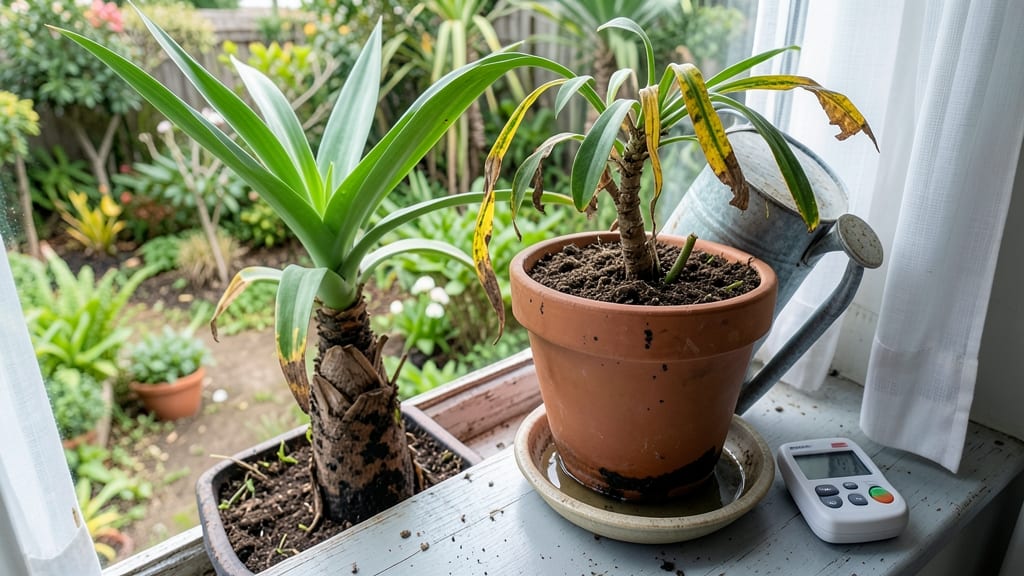
Your Madagascar dragon tree is dying—but don’t panic, because with a few quick fixes, you can bring it back to life before it’s too late. 🌿 The good news? Most "dying" dragon trees just need a few simple tweaks to their care routine, not a full funeral.
Overwatering, pests, or sudden temperature swings are usually the culprits, and I’ll show you exactly how to diagnose and revive yours in minutes. Start by checking the soil: if it’s soggy or smells foul, you’re overwatering. Stick your finger in—if the top 2 inches are dry, water lightly.
Yellowing leaves? That’s often underwatering or fluoride buildup from tap water. Brown tips? Too much salt or dry air. Each symptom points to a different fix, and I’ll walk you through the most common ones step by step.
Once you’ve adjusted the watering and ruled out pests (look for sticky residue or tiny webs), your dragon tree will perk up in 1-2 weeks.
The key is consistency—these plants are tough once they’re happy, and they’ll reward you with lush, arching foliage that makes every room feel like a tropical escape. Don’t let this go on too long—reviving a dragon tree is foolproof when you know what to watch for.
Let’s get your plant back to its striking best before it’s too late.
📚 In This Guide
- What you need
- Instructions
- Tips and common mistakes
- Wrapping up and next steps
What you need
- ● Pruning shears or clean, sharp scissors – Sterilized (rubbing alcohol wipe) to prevent disease transfer.
- ● Well-draining potting mix – Cactus/succulent blend or a mix of 50% peat/coir, 30% perlite, and 20% orchid bark.
- ● 1–2-inch pots (if repotting) – Ensure drainage holes are present.
- ● Distilled or rainwater – Avoid tap water with high chlorine/fluoride.
- ● Houseplant fertilizer – Balanced (10-10-10) or low-nitrogen (5-5-5) for recovery.
- ● Glove – Protects from sap (can irritate skin).
- ○ Spray bottle – For misting (optional, if humidity is low).
- ○ Rooting hormone (optional) – Speeds up regrowth if pruning heavily.
- ○ Calcium carbonate (optional) – 1 tsp per gallon of water to adjust pH if soil is acidic.
- ● Identify the root cause of decline (overwatering? pests? root rot?).
- ● Wait 1–2 weeks after last watering to assess soil moisture.
- ● Ensure bright, indirect light for the workspace (avoid direct sun).
Madagascar dragon tree dying: how to diagnose and revive drooping leaves
Here's how I've brought back even the most wilted dragon trees—just follow these three key checks.
🌿 Step 1: Check Watering Habits and Adjust Immediately
Overwatering is the #1 killer of Madagascar dragon trees (Dracaena marginata). Stick your finger 2-3 inches deep into the soil—if it feels damp, wait. These plants thrive when the top 1-2 inches of soil are completely dry. I like to water only when the leaves start looking slightly crispy at the edges, not when they're already drooping.
Use a terracotta pot if possible—they dry out faster than plastic. When you water, pour slowly until it drains from the bottom. Never let the plant sit in saucers of water. If the roots smell musty, you've got root rot and need to repot immediately with fresh, dry potting mix.
☀️ Step 2: Evaluate Light Exposure and Leaf Condition
Dragon trees tolerate low light but grow best in bright, indirect light. If your plant's leaves are yellowing at the tips or the new growth looks pale and stretched (called "etiolation"), it's not getting enough light. Move it within 3-5 feet of an east or north-facing window, or supplement with a grow light for 12-14 hours daily.
Check for brown, crispy leaf edges—this often means low humidity. Group plants together or place a pebble tray with water under the pot. Mist the leaves lightly 2-3 times weekly in dry climates. The key is to mimic their native tropical environment without making the soil soggy.
🪴 Step 3: Inspect Roots and Repot if Necessary
Gently remove the plant from its pot and examine the roots. Healthy roots are firm and white, while rotten roots are mushy and brown. If you see rot, trim away the affected areas with sterilized scissors and repot in fresh, well-draining potting mix. Choose a pot only 1-2 inches larger than the current one—bigger pots hold too much moisture.
After repotting, place the plant in bright, indirect light and water lightly only when the top inch of soil feels dry. Avoid fertilizing for 4-6 weeks to let the roots recover. You'll know it's on the mend when new growth appears at the top and the drooping leaves slowly perk up over 2-3 weeks.
Tips & tricks for reviving Madagascar dragon trees
Here's what nobody tells you—your dragon tree can bounce back, even when it looks hopeless.
Soil Test Secret: The finger test in Step 1 is critical, but here's the trick: press your finger in the soil and hold it for 5 seconds. If moisture remains on your skin, wait. This test is more accurate than just feeling dampness—it tells you exactly when the soil has dried enough. I've saved multiple dragon trees by catching overwatering early with this simple check.
Light Positioning: When adjusting light in Step 2, place your dragon tree near an east-facing window for the gentlest morning light. If you only have west-facing windows, use a sheer curtain to diffuse the harsh afternoon sun. The goal is bright but indirect—think dappled sunlight under a tree canopy. For grow lights, position them 6-12 inches above the plant for even coverage.
Root Recovery Timeline: After repotting in Step 3, expect the recovery process to take exactly 2-3 weeks as mentioned, but here's what to watch for: new growth should appear at the top first, followed by the drooping leaves slowly straightening. If no new growth appears after 3 weeks, check your light conditions—this plant needs consistent brightness to regenerate.
Pro Tips for Madagascar Dragon Tree Dying
- Here's what nobody tells you—your dragon tree can bounce back, even when it looks hopeless.
- Soil Test Secret: The finger test in Step 1 is critical, but here's the trick: press your finger in the soil and hold it for 5 seconds.
- Light Positioning: When adjusting light in Step 2, place your dragon tree near an east-facing window for the gentlest morning light.
Frequently asked questions
Got questions about saving your Madagascar Dragon Tree (Dracaena marginata)?
You’re not alone! Here are the most common concerns and quick fixes to bring your plant back to life.
Why is my Madagascar Dragon Tree turning yellow and dropping leaves?
Yellowing leaves and leaf drop are usually signs of overwatering or underwatering. Check the soil—if it’s soggy, let it dry out. If it’s bone-dry, water deeply but avoid soggy roots. Pro tip: Stick your finger 2 inches into the soil; if it’s dry, it’s time to water!
How often should I water a dying Madagascar Dragon Tree?
Water only when the top 2-3 inches of soil are dry. These plants thrive on neglect! Overwatering is the #1 killer—water every 2-4 weeks (adjust for humidity/climate). Rule of thumb: Less is always better than too much.
Can I save my Dragon Tree if the leaves are crispy and brown?
Crispy leaves often mean low humidity or underwatering. Trim the damaged leaves with clean scissors, then increase humidity with a pebble tray or humidifier. Mist the leaves lightly (avoid soggy soil). With care, new growth should emerge!
What do brown tips on my Dragon Tree leaves mean?
Brown tips usually signal fluoride buildup from tap water or low humidity. Switch to filtered or distilled water and place the plant near a humidifier. Wipe leaves with a damp cloth to remove dust, which can also stress the plant.
Should I prune my dying Madagascar Dragon Tree?
Yes! Pruning dead or yellow leaves helps the plant focus energy on new growth. Use sterilized scissors and cut just above a leaf node. Avoid over-pruning—remove no more than 1/3 of the plant at once. This encourages bushier regrowth!
Wrapping up and next steps
Don’t let a drooping Dracaena marginata (Madagascar Dragon Tree) dim your space—your green thumb can bring it back to life! 🌱 With the right care—adjusting light, water, and humidity—you can revive even the most wilted leaves. Remember, consistency is key, and patience will pay off with lush, vibrant growth.
Next steps: Start with one adjustment (like trimming dead leaves or moving it to brighter light) and monitor progress. If all else fails, consult a local plant specialist for tailored advice. Your Dragon Tree is worth saving—go for it! 💪