
Pruning
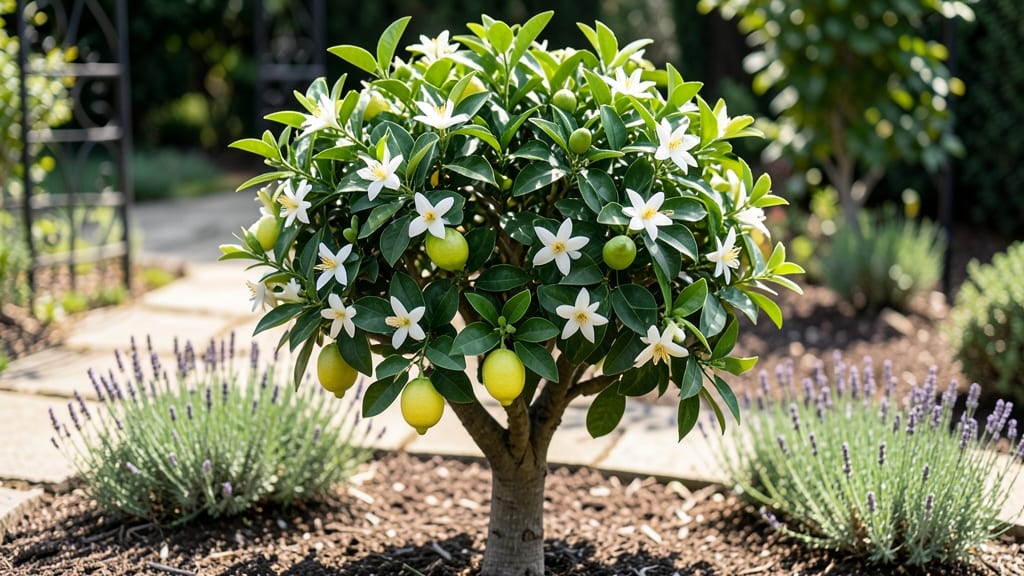
Your lemon tree’s floral pruning is the secret to year-round blooms—and it’s easier than you think. ✨ I’ve turned my once-sparse citrus tree into a fragrant, flower-covered beauty by mastering the right cuts at the right time, and the key starts with understanding when those delicate white blossoms appear.
The magic happens in late winter or early spring, just as buds form but before they burst into bloom. Prune 30% of last year’s growth to encourage new, vigorous branches that’ll carry more flowers.
Avoid heavy cuts in summer—the tree needs energy to sustain blooms, not just leaves. Think of it like giving your tree a haircut that boosts its confidence (and flower power).
With the right technique, you’ll see clusters of scented white flowers by early spring, followed by a harvest of juicy lemons by fall. The secret? Pollination help—gently shake branches when flowers open to spread pollen, or invite bees with nearby herbs. Even indoor trees can thrive with this approach.
Troubleshooting poor blooming? Often it’s overwatering or too much nitrogen. Cut back on fertilizer and focus on balanced care—your tree will reward you with more flowers than you can count. Let’s get those pruners sharp and those branches blooming!
📚 In This Guide
- What you need
- Instructions
- Tips and common mistakes
- Wrapping up and next steps
What you need
- ● Pruning shears: Bypass pruners (sharp, clean, and sterilized with rubbing alcohol to prevent disease). Spec: 5–7-inch blades, ergonomic grip.
- ● Loppers: For thicker branches (½–1 inch). Spec: 18–24-inch reach, bypass or anvil type (avoid crushing stems).
- ● Hand pruners: For delicate trimming (e.g., spent blooms). Spec: Small, sharp blades (3–4 inches).
- ● Gardening gloves: Heavy-duty, cut-resistant (to protect from thorns and sap). Spec: Nitrile-coated for grip.
- ● Disinfectant: 1-part bleach to 9 parts water (or 70% isopropyl alcohol). Use: Wipe tools between cuts.
- ○ Pruning sealant (optional but recommended): Tree wound dressing (e.g., Tanglefoot Tree Wound Pruning Seal) for cuts >¼ inch.
- ● Bucket or tray: For collecting clippings (1–2 gallon size).
- ● Ladder or stool: If your tree exceeds 6 feet (stable, non-slip).
- ● Timing: Prune after flowering (late winter/early spring) or post-harvest (summer). Avoid heavy pruning in fall.
- ● Weather: Choose a dry, overcast day to reduce stress on the tree.
- ● Research: Identify your lemon tree’s variety (e.g., Meyer vs. Eureka)—some bloom more prolifically with specific cuts!
- ● Safety: Wear long sleeves/pants to avoid sap irritation (lemon trees can be itchy!).
- ● 💡 Sharpen tools: Dull blades tear bark—ruin your tree’s healing process. Hone shears with a file or whetstone before starting.
- ● 🌡️ Tool sterilization: Swab cuts with your disinfectant mix every 5–10 cuts to prevent fungal/bacterial spread.
- ● 🎯 Mark your cuts: Use a white chalk pen to outline branches to remove—helps visualize the "target" shape!
Step-by-step instructions for lemon tree floral pruning
Here’s how I keep my lemon tree blooming continuously—it’s all about strategic cuts and timing.
✂️ Step 1: Prune After the Last Harvest
Start by removing any fruit that’s already ripened or overripe—this redirects the tree’s energy toward new growth instead of supporting heavy fruit. I always make my cuts just above a leaf node or small branch, using sharp pruning shears. This ensures clean cuts that heal faster and reduces the risk of disease.
Look for branches that are crossing or rubbing against each other—these compete for sunlight and nutrients. Remove the weaker of the two by cutting back to a healthy outward-facing bud. You’ll see new shoots emerge within 2-3 weeks from these pruned areas, signaling the tree is ready for more blooms.
☀️ Step 2: Thin Out Dense Foliage in Spring
When new growth appears in early spring, focus on thinning out dense areas to improve airflow and sunlight penetration. Lemon trees need 6-8 hours of direct sunlight daily for optimal flowering, so don’t be afraid to remove up to 20-30% of the foliage if the canopy is too thick.
Target branches that grow inward or downward—they block light and create shaded spots where flowers won’t form. Cut these back to an outward-facing bud or a strong lateral branch. You’ll notice the remaining branches fill out more evenly, and new flower clusters start forming at the ends of these pruned branches within 4-6 weeks.
🌿 Step 3: Encourage Flowering with Light Trimming
Once you see flower buds forming (they’ll look like tiny green clusters), switch to light maintenance pruning. Remove only dead, diseased, or damaged branches—never cut back healthy flowering wood. The goal here is to preserve the blooms while keeping the tree’s shape balanced.
If your tree is producing too many flowers at once, thin out every other cluster to prevent overburdening the branches. A well-balanced lemon tree can support 3-4 flower clusters per branch without stress. Watch for new shoots emerging from the pruned areas—these will become next year’s flowering branches if given proper care.
⏰ Step 4: Light Winter Pruning for Structure
In late winter, just before new growth begins, do a final structural pruning. Remove any branches that are thinner than a pencil or growing in awkward directions. Lemon trees naturally grow upright, so I prune to maintain that shape while opening up the center for better light distribution.
This is also the time to remove any suckers—those small shoots growing from the base or trunk. They sap energy from the main tree. After pruning, give the tree a balanced fertilizer to support the new growth. You’ll see fresh, vibrant leaves and new flower buds forming within 3-4 weeks as the tree prepares for spring.
Tips & tricks for perfect lemon tree floral pruning
Here's what nobody tells you about keeping your lemon tree blooming like clockwork all year.
Timing is Everything: That 2-3 week window after pruning is when new shoots appear—don't skip checking your tree every 5-7 days. I mark my calendar for 2 weeks post-harvest pruning to catch those early signs of growth. The faster you spot new shoots, the sooner you can guide their growth toward sunlight exposure.
Cutting Technique Matters: Always make clean cuts at a 45-degree angle just above a leaf node or bud. This prevents water from pooling on the cut, which can lead to rot. I use sharp pruning shears and wipe them with rubbing alcohol between cuts to avoid spreading disease between branches. The cleaner the cut, the faster the tree recovers and starts growing new blooms.
Spring Pruning Strategy: When thinning dense foliage in early spring, focus on removing branches that grow inward or downward first—they're the biggest light blockers. I do this in stages over 2-3 days to avoid shocking the tree. After each session, I step back and look at the tree from all angles to check for balanced sunlight distribution. This method prevents over-pruning while maximizing airflow.
Flower Cluster Management: Those 3-4 flower clusters per branch are ideal—any more and you risk overburdening the tree. I learned this the hard way when my tree dropped half its blossoms after a heavy rain. If you notice too many clusters, thin them out while they're still small, about the size of a dime. This gives the remaining flowers room to develop fully and increases your fruit yield.
Pro Tips for Lemon Tree Floral
- Here's what nobody tells you about keeping your lemon tree blooming like clockwork all year.
- Timing is Everything: That 2-3 week window after pruning is when new shoots appear—don't skip checking your tree every 5-7 days.
- Cutting Technique Matters: Always make clean cuts at a 45-degree angle just above a leaf node or bud.
Frequently asked questions
Got questions about keeping your lemon tree floral and blooming beautifully?
Here are some of the most common queries—plus quick, actionable answers to keep your tree thriving year-round.
When is the best time to prune for lemon tree flowers?
Prune your lemon tree after flowering (late winter to early spring) to encourage new growth and blooms. Avoid heavy pruning during peak bloom—just trim dead or overcrowded branches. For tropical varieties, light pruning can happen year-round, but timing matters!
How much should I trim to encourage more flowers?
Remove no more than 25-30% of the canopy in one session. Focus on:
- Dead or diseased branches
- Overcrowded growth blocking sunlight
- Water sprouts (fast-growing, weak shoots)
What if my lemon tree isn’t blooming after pruning?
Check these first:
- Light: Needs 6+ hours of sunlight daily.
- Water: Keep soil consistently moist (not soggy).
- Fertilizer: Use a citrus-specific formula with low nitrogen (e.g., 6-6-6) to boost flowers.
- Age: Young trees (<3 years) may need patience.
Can I prune lemon tree flowers to get bigger fruit?
Yes! Thin flowers/fruit to reduce competition:
- Leave 1-2 flowers per cluster (more = smaller fruit).
- Remove overlapping branches to improve air circulation.
- Avoid pruning when fruit is half-grown—wait until harvest.
What’s a good alternative if my lemon tree isn’t floral-friendly?
Try these low-maintenance, high-flowering citrus relatives:
Variety
Bloom Notes
Care Level
Meyer Lemon
Produce year-round flowers; fragrant white blooms.
Moderate (hardier than standard lemons)
Calamondin
Tiny orange-red flowers; drought-tolerant.
Easy (great for containers)
Kumquat
Delicate white/pink blooms; cold-resistant.
Low (ideal for beginners)
All three thrive with similar pruning—just adjust for their size!
Wrapping up and next steps
Your lemon tree’s floral splendor is now within reach—thanks to precision pruning! By mastering the art of year-round trimming, you’ll unlock abundant blooms, healthier growth, and bountiful harvests. Remember, timing, tools, and technique are your best allies, so stay patient and observant.
Ready to transform your garden? Start small—pick one branch to practice, then expand your skills. Before you know it, your lemon tree will be bursting with fragrant flowers and delicious fruit. Happy pruning! 🌿✨