
Pests and Diseases
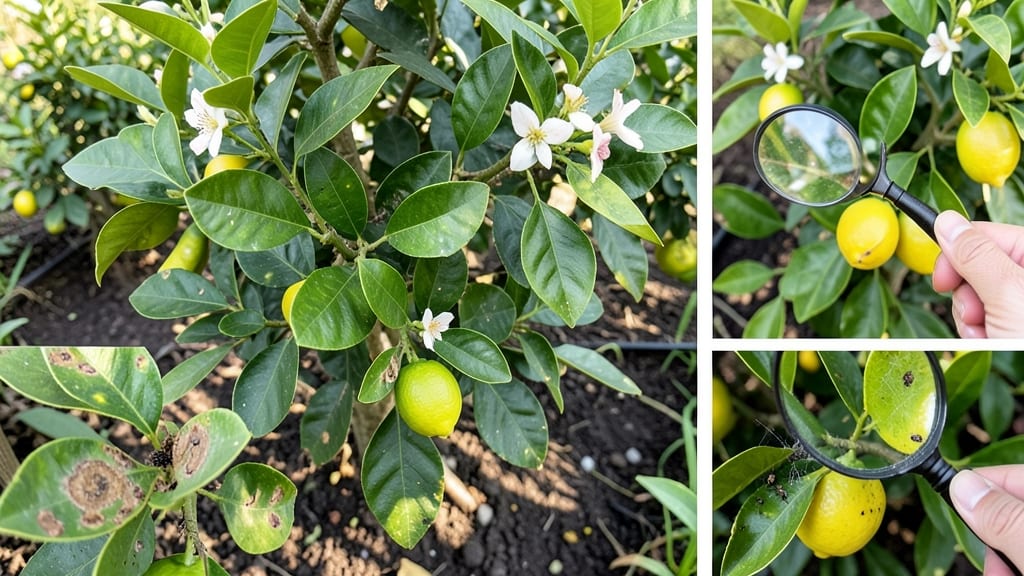
Your lemon tree’s yellowing leaves or sticky branches could signal lemon tree diseases and pests—but catching these issues early means saving your harvest. 🌿 I’ve battled everything from greasy spot fungus to aphid swarms, and the difference between a thriving tree and a struggling one often comes down to spotting symptoms fast.
Root rot, citrus canker, and scale insects are the usual culprits, but each has distinct warning signs that reveal their presence before the damage becomes irreversible.
Most problems start with stress—whether from overwatering, poor drainage, or neglecting basic care. For instance, greasy spot shows up as dark, oily spots on leaves, while aphids cluster on new growth, leaving behind a sticky residue. The good news?
Organic fixes like neem oil, copper fungicide, or introducing ladybugs can turn things around before you need harsh chemicals. I’ve saved multiple trees using these methods, and the key is acting at the first sign of trouble.
By the time you finish this guide, you’ll recognize the early warnings of common lemon tree diseases and pests—and know exactly how to treat them. Whether it’s pruning infected branches, adjusting watering habits, or applying targeted sprays, each solution is designed to restore your tree’s health without sacrificing its productivity.
The goal? A tree that stays lush, fruitful, and free of pests for years to come.
No matter where you garden—backyard, container, or even a community plot—these strategies adapt to your setup. The tools you’ll need are simple: a spray bottle, pruning shears, and a little patience. Let’s get your lemon tree back on track before the next harvest season rolls around.
Root Causes Of Lemon Tree Struggles
When your lemon tree starts showing signs of distress—yellowing leaves, stunted growth, or mysterious spots—it’s rarely just bad luck. Behind every symptom is a specific trigger, often tied to environmental stress, microbial invaders, or hungry pests.
Understanding why these problems arise is the first step to preventing them. Here’s a breakdown of the most common culprits and the science behind their attacks.
Lemon trees thrive in warm, sunny climates with well-drained soil, but push those boundaries, and trouble follows. Environmental factors create the perfect storm for diseases and pests by weakening the tree’s defenses.
- Extreme Temperatures: Lemon trees prefer daytime temps between 70–85°F (21–29°C). Below 50°F (10°C), growth slows, and the tree becomes vulnerable to fungal infections like Alternaria or Phytophthora. Cold snaps can also shock roots, inviting rot-causing pathogens.
- Poor Drainage & Overwatering: Lemon trees hate soggy feet. When soil stays waterlogged, roots suffocate from a lack of oxygen, creating entry points for Fusarium wilt or root rot. Overwatering also dilutes nutrients, making the tree an easy target for pests like scale insects.
- Humidity & Rain: High humidity (above 70%) and frequent rain create a damp, sticky environment that fungal spores love. Diseases like citrus greasy spot or anthracnose spread rapidly in these conditions, clogging leaf pores and blocking photosynthesis.
- Nutrient Deficiencies: A lack of key nutrients—especially zinc, iron, or magnesium—weakens the tree’s cell walls, making it easier for pathogens to invade. For example, zinc deficiency causes stunted growth, while magnesium deficiency (chlorosis) leaves leaves vulnerable to sun scald and disease.
💡 Pro Tip: Monitor your tree’s microclimate! Use a soil moisture meter and mulch with gravel or bark to improve drainage. If humidity is an issue, space trees 6–10 feet apart for airflow.
Fungi, bacteria, and viruses don’t just appear—they’re often introduced through contaminated tools, infected plants, or even the wind. Once established, they exploit the tree’s weaknesses, multiplying rapidly.
| Pathogen | How It Infects | Triggering Factors |
|---|---|---|
| Citrus Canker (Xanthomonas) | Bacteria enter through leaf wounds or stomata, causing oozing sores. | High humidity, contaminated pruning tools, or wind-driven rain. |
| Fusarium Wilt (Fusarium oxysporum) | Fungal spores in soil infect roots, blocking water transport. | Poor drainage, overwatering, or planting in previously infected soil. |
| Powdery Mildew (Oidium) | Fungal spores land on leaves, forming a white, powdery coating. | Low light, high humidity, or dense foliage with poor airflow. |
| Citrus Tristeza Virus (CTV) | Transmitted by aphids or grafting infected scions. | Weakened trees (from poor care or drought) or aphid infestations. |
🔥 Key Insight: Many of these pathogens lie dormant in soil or old plant debris. Always sterilize pruners with rubbing alcohol and avoid planting lemon trees where citrus has failed before.
Pests don’t just randomly attack—they’re drawn to trees that are already stressed. A weak lemon tree is like an all-you-can-eat buffet for insects and mites.
- Scale Insects & Mealybugs: These sap-suckers thrive on trees with high sugar content (often from over-fertilizing with nitrogen). They excrete honeydew, which attracts sooty mold—a secondary fungal infection.
- Aphids: Outbreaks explode in warm, humid weather and spread viruses like _CTV_. They cluster on new growth, stunting shoots and curling leaves.
- Citrus Leaf Miners: Larvae burrow into leaves, creating blisters that block sunlight. They’re worst in greenhouses or sheltered areas with high humidity.
- Root Weevils: Adults lay eggs in moist soil, and larvae chew on roots, cutting off water uptake. They’re most active in cool, wet springs.
🎯 Prevention Hack: Encourage natural predators like ladybugs (for aphids) or parasitic wasps (for leaf miners). Plant marigolds or dill nearby to attract beneficial insects.
By addressing these root causes—whether it’s fixing drainage, adjusting care habits, or introducing pest controls—you can starve out problems before they take hold. The next step? Identifying symptoms so you can act fast.
Quick Fixes for Lemon Tree Ailments
When your lemon tree starts showing signs of distress, acting fast can mean the difference between a full recovery and losing your plant. Below, we’ve mapped out practical, step-by-step solutions for common lemon tree diseases and pests, along with prevention tips to keep your tree thriving.
Think of this as your emergency repair kit—ready to tackle issues before they spiral out of control.
1. Citrus Canker (Bacterial Spot) 🔥
Fix It: - Prune infected branches immediately with sterilized pruners (wipe with rubbing alcohol between cuts).
Remove all infected leaves and dispose of them in a sealed bag—do not compost. - Apply a copper-based fungicide (like Bordeaux mixture or copper sulfate) every 7–10 days until new growth appears.
Follow label instructions for dilution. - Improve air circulation by thinning dense foliage or spacing trees farther apart. - Disinfect tools and hands after pruning to prevent spreading bacteria.
💡 Prevention Tip:
- Water at the base (avoid overhead spraying) and water early in the day so leaves dry quickly.
- Space trees 8–10 feet apart to reduce humidity buildup.
2. Powdery Mildew (White Fuzzy Coating) 🍳 Fix It:
- Remove heavily infected leaves and destroy them (don’t let them fall near the tree).
- Spray with a mix of 1 tsp baking soda + 1 quart water + a few drops of dish soap (as a mild fungicide).
Repeat every 7–10 days for 3–4 weeks. - Increase sunlight exposure by trimming nearby plants or moving the tree to a sunnier spot. - Apply neem oil or sulfur spray (follow package rates) for severe cases.
💡 Prevention Tip:
- Avoid over-fertilizing with nitrogen—it encourages soft, mildew-prone growth.
- Water deeply but infrequently to prevent damp conditions.
3. Root Rot (Mushy, Black Roots) 👨🍳 Fix It:
- Stop watering immediately and let the soil dry out for 3–5 days.
- Repot the tree in fresh, well-draining soil (mix in perlite or sand).
If in-ground, amend the soil with compost and organic matter. - Trim away mushy, black roots with sterilized shears and dust cuts with cinnamon or sulfur (natural antifungal). - Ensure the pot has drainage holes (or elevate in-ground trees on a mound).
💡 Prevention Tip:
- Use pots with drainage holes and terracotta (which dries faster than plastic).
- Check soil moisture—stick your finger 2 inches deep; water only if dry.
4.
Aphids (Sticky, Curled Leaves) 🥘 Fix It: - Blast them off with a strong stream of water from a hose (do this in the morning). - Spray with soapy water (1 tsp mild dish soap per quart of water) or neem oil (1 tsp oil + 1 quart water + drop of soap). - Introduce ladybugs or lacewings (natural predators) by purchasing them online or from garden centers. - Remove heavily infested leaves to break their life cycle.
💡 Prevention Tip:
- Encourage beneficial insects by planting marigolds, dill, or fennel nearby.
- Avoid over-fertilizing—aphids love tender, nitrogen-rich growth.
5.
Citrus Leaf Miner (Wavy, Brown Trails) ⏰ Fix It: - Handpick larvae by gently scraping them off leaves with a fingernail or soft brush (drop them in soapy water). - Spray with horticultural oil (like JMS Stylet Oil) in early spring or late fall (avoid summer heat). - Apply kaolin clay (like Surround WP) as a protective barrier—it confuses and deters miners. - Remove and destroy infested leaves immediately.
💡 Prevention Tip:
- Prune for airflow—leaf miners thrive in dense, humid conditions.
- Use yellow sticky traps to monitor and catch adults early.
6.
Scale Insects (Bumpy, Sticky Shells) 🔪 Fix It: - Wipe adults off with a damp cloth or sponge (they’re tough but removable). - Drown them in soapy water (mix 2 tbsp dish soap per gallon of water) and spray directly on infested areas. - Apply dormant oil (like horticultural oil) in late winter/early spring before they hatch. - Introduce parasitic wasps (like Aphycus species)—they’re scale’s natural enemy!
💡 Prevention Tip:
- Inspect new plants before bringing them home (quarantine for 2 weeks).
- Keep trees healthy—scale loves stressed, weak trees.
No matter the issue, preventative care is your best defense. Here’s how to strengthen your lemon tree against future attacks:
- 💡 Feed Right: Use a balanced citrus fertilizer (like 6-6-6 or 8-3-9) every 2–3 months in growing season.
Avoid excess nitrogen. - 🌡️ Water Wisely: Deep watering 2–3 times per week (more in extreme heat) is better than daily shallow watering. - ✨ Prune Smart: Remove dead, crossing, or crowded branches in late winter to improve airflow. - 🎯 Monitor Regularly: Check undersides of leaves and new growth weekly for early signs of trouble.
Remember: The key to saving your lemon tree is early action. The moment you spot a problem—whether it’s a suspicious spot or a swarm of bugs—jump into treatment mode. With these fixes, your tree will bounce back faster than you think! 🍋✨
Frequently asked questions
What’s the first sign my lemon tree has root rot?
Watch for yellowing leaves that start at the bottom and progress upward, combined with mushy, black roots when you gently dig around the base. The soil may also smell sour or rotten. If your tree feels light when tipped (indicating hollow roots), that’s another red flag. Act fast by stopping watering and repotting in fresh, well-draining soil.
How do I tell if my lemon tree has citrus canker or just sunburn?
Citrus canker shows as raised, water-soaked spots that ooze yellow liquid, while sunburn appears as dry, brown patches on leaf edges. Canker spots often have a reddish halo and appear on both leaf surfaces, whereas sunburn is usually confined to areas exposed to harsh afternoon sun. Sterilize your pruners to prevent spreading canker if you suspect it.
Are there any organic sprays that work against scale insects?
Yes! Try a 1% horticultural oil spray (like neem oil) applied in early spring or late fall when temperatures are below 85°F (29°C). For immediate relief, mix 2 tablespoons of dish soap per gallon of water and spray directly on infested areas. Introducing parasitic wasps (like Aphycus) is another natural solution—check local garden centers for releases.
Can I save my lemon tree if it’s already lost most of its leaves?
It depends! If the cause was nutrient deficiency or overwatering, prune back 1/3 of the canopy to reduce stress, adjust your watering, and fertilize with a balanced citrus blend. For diseases like canker, you may need to remove severely infected branches. If roots are rotted, repotting in fresh soil is critical. Monitor closely—new growth in 4–6 weeks is a good sign.
Why do my lemon tree leaves keep getting sticky?
That sticky residue is honeydew, a byproduct of aphids, mealybugs, or scale insects feeding on your tree. Wipe leaves with a damp cloth to remove it, then treat the pests with soapy water or neem oil. Without intervention, honeydew attracts sooty mold, a black fungal growth that blocks sunlight and weakens the tree further.