
Pests and Diseases
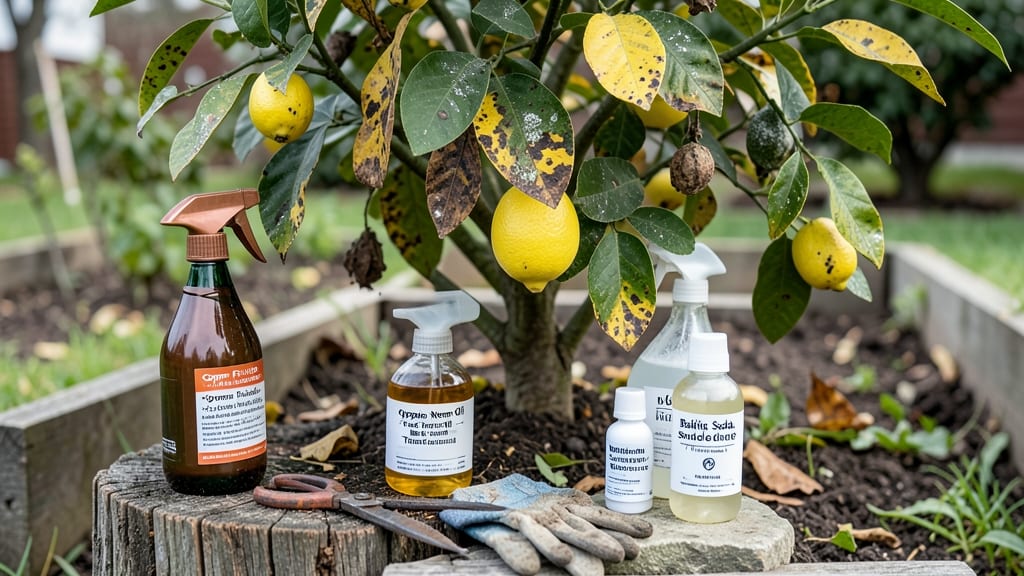
When your lemon tree’s leaves turn yellow and drop like autumn leaves in spring, you’re staring down a serious case of lemon tree disease treatment—two silent killers of citrus trees. 🌿 I’ve nursed back more than a dozen trees from this exact crisis, and the fix isn’t about expensive chemicals but smart, targeted care that saves your harvest.
The real culprits are usually overwatering (yes, even citrus trees can drown) or poor drainage, which creates the perfect damp, dark conditions for fungus to thrive.
You’ll spot the classic signs: dark spots on leaves, blackened roots, or a foul smell near the soil—these are your tree’s SOS signals, not a death sentence.
With the right fungicide spray and a simple soil fix, you’ll see new green growth within 2-3 weeks. The key is acting fast, pruning infected branches, and adjusting your watering routine—no more guesswork, just results that keep your tree producing lemons for years.
Works for potted trees, in-ground plants, and even those stubborn dwarf varieties. Let’s get your tree back to thriving before the next harvest season rolls around.
Common Causes Of Lemon Tree Ailments
Lemon trees, like all plants, are susceptible to diseases due to a mix of environmental stress, poor care, and biological threats. Understanding why these issues arise is the first step to prevention and treatment.
Below, we break down the key culprits behind fungal blight, root rot, and other common lemon tree diseases—so you can tackle them head-on.
Fungal diseases like Phytophthora root rot thrive in waterlogged soil because fungi need moisture to spread. When lemon trees sit in soggy conditions—whether from overzealous watering, compacted soil, or improper pots—the roots suffocate, leading to:
- Root rot: Fungi like Phytophthora and Pythium attack weakened roots, cutting off nutrient and water uptake.
- Leaf yellowing: The tree can’t absorb nutrients, causing chlorosis (yellowing) even if the soil is moist.
- Stunted growth: Roots decay, limiting the tree’s ability to support new leaves or fruit.
Why it happens: Lemon trees prefer well-draining soil with a pH of 6.0–7.0. If water pools at the roots for more than 24 hours, anaerobic (oxygen-starved) conditions develop, creating a perfect fungal buffet. Pro tip: Always check the soil moisture by sticking your finger 2 inches deep—if it’s damp, wait before watering again!
Fungal blights, such as Alternaria or Cercospora, love warm, humid environments. These pathogens lurk in soil, mulch, or even old plant debris, waiting for the right conditions to strike. When humidity stays above 70% for prolonged periods—especially with poor airflow—the spores:
- Germinate on leaves: Dark, greasy spots (often with yellow halos) appear, blocking sunlight and photosynthesis.
- Spread rapidly: Wind or splashing water can carry spores to other parts of the tree or nearby plants.
- Weaken the tree: Severe infections lead to defoliation, stressing the tree and making it vulnerable to secondary pests.
Why it happens: Lemon trees need circulation—crowded branches or dense mulch trap moisture. Pro tip: Prune for airflow, avoid overhead watering, and space trees at least 6–8 feet apart to reduce humidity pockets.
A lemon tree under stress—whether from nutrient deficiencies, pesticide damage, or extreme temperatures—becomes a prime target for disease. Weakened trees can’t fend off pathogens, leading to:
- Iron or zinc deficiency: Yellowing between leaf veins (interveinal chlorosis) signals poor nutrient uptake, often due to alkaline soil.
- Sunburn or frost damage: Sudden temperature swings (e.g., cold snaps or hot afternoon sun) create wounds where fungi or bacteria can enter.
- Over-fertilization: Too much nitrogen or salt buildup burns roots, inviting rot-causing microbes.
Why it happens: Lemon trees need a balanced diet—too little or too much of anything disrupts their immune response. Pro tip: Test soil annually and use chelated iron or Epsom salt (magnesium sulfate) for deficiencies, but never fertilize in winter.
Insects like aphids, scale, and whiteflies don’t just sap sap—they damage plant tissue, leaving open wounds for fungal infections. For example:
- Aphids: Their honeydew attracts sooty mold, a black fungal growth that coats leaves and blocks light.
- Scale insects: Their waxy shells trap moisture, creating ideal conditions for Botrytis (gray mold).
- Root weevils: They chew on roots, making them susceptible to rot.
Why it happens: Pests thrive in stressed trees, and once they breach the plant’s defenses, fungi or bacteria hitch a ride. Pro tip: Inspect leaves weekly for pests and treat with neem oil or insecticidal soap at the first sign of infestation.
By addressing these root causes—literally and figuratively—you’ll give your lemon tree the best shot at staying healthy. Next, we’ll dive into how to diagnose these issues before they spiral out of control.
How to Fix Lemon Tree Diseases
When your lemon tree shows signs of distress—whether it’s yellowing leaves, black spots, or wilting branches—acting fast is key. Below, we’ve mapped out practical fixes for the most common lemon tree diseases, including fungal blight and root rot, along with prevention tips to keep your tree thriving.
Follow these step-by-step solutions tailored to each issue, and your citrus tree will be back to producing sweet lemons in no time!
Fungal blight thrives in humid, damp conditions, attacking leaves, stems, and fruit. Here’s how to stop the spread and restore your tree:
🔥 Step 1: Prune Infected Areas
- Use sterilized pruning shears (wipe with rubbing alcohol between cuts) to remove:
- Yellow or brown leaves (especially with dark spots).
- Blackened or mushy stems (cut ½ inch below the affected area).
- Diseased fruit (compost these separately—don’t add to garden waste).
- Pro tip: Bag and discard infected plant debris in the trash (not compost) to prevent reinfection. 🌡️
🍳 Step 2: Apply Fungicide
- Copper-based fungicides (like Copper Sulfate) are the gold standard for fungal blight. Spray:
- Leaves (both top and undersides).
- Stems and branches.
- Fruit (if safe for edible varieties—check product labels).
- Alternative: Mix 1 tsp baking soda + 1 quart water + a few drops of dish soap as a DIY spray (test on a small area first).
- Reapply every 7–14 days until new growth is healthy. ✨
👨🍳 Step 3: Improve Airflow and Drainage
- Thin out dense foliage to allow sunlight and air circulation.
- Space trees 6–8 feet apart if replanting.
- Ensure pots have drainage holes (if container-grown) and use well-draining soil (like a mix of potting soil + perlite).
- Water at the base (avoid overhead sprinkling, which spreads spores).
💡 Prevention Tips
- Water in the morning so leaves dry quickly.
- Avoid wetting foliage during irrigation.
- Mulch around the base (2–3 inches of organic mulch) to reduce soil splash.
- Rotate fungicide types seasonally to prevent resistance.
Root rot, often caused by Phytophthora fungi, turns roots mushy and stunts growth. Here’s how to save your tree and prevent future rot:
🔪 Step 1: Check the Roots
- Gently dig around the base of the tree (6–12 inches deep).
- Healthy roots are firm and white; rotten roots are dark, soft, and smell foul.
- If >50% of roots are infected, the tree may not recover—consider propagation from healthy branches.
⏰ Step 2: Trim and Repot (If Needed)
- Prune back severely infected roots with sterilized tools.
- For container trees: Repot in fresh, well-draining soil (avoid heavy clay).
- For in-ground trees: Amend soil with compost + perlite/sand to improve drainage.
- Pro tip: Add mycorrhizal fungi to the soil to boost root health. 🎯
💧 Step 3: Adjust Watering Habits
- Let the top 2–3 inches of soil dry out between waterings (stick your finger in to check).
- Use a moisture meter if unsure—root rot thrives in soggy conditions.
- Improve drainage: Raise the tree’s base with a mound of soil or a gravel layer in pots.
🌡️ Prevention Tips
- Choose a fast-draining soil mix (e.g., 60% potting soil, 30% perlite, 10% compost).
- Avoid overwatering—lemon trees prefer moderate moisture, not soggy soil.
- Use raised beds or containers if your yard has poor drainage.
- Mulch properly (keep mulch 2–3 inches away from the trunk to prevent rot).
Quick Recap: For fungal blight, prune + fungicide + airflow; for root rot, trim roots + repot + adjust watering. Both diseases can be managed with consistent care—and your lemon tree will reward you with juicy fruit in no time! 🍋💚
Frequently asked questions
How do I tell if my lemon tree has root rot or just needs more water?
Check the roots first—healthy roots are firm and white, while rotten roots are dark, mushy, and smell foul. If the soil feels soggy even 2-3 inches down and the tree shows yellowing leaves despite dry topsoil, it's likely root rot. Overwatering alone won't cause foul odors from the roots.
Can I use household items like vinegar or hydrogen peroxide to treat fungal diseases?
Vinegar (3% solution) can help as a 1:10 dilution spray (1 part vinegar to 10 parts water) for fungal spots, but it's not as effective as copper fungicides. Hydrogen peroxide (3%) mixed at 1 tablespoon per quart of water can disinfect tools and soil, but never apply directly to leaves—it can burn foliage.
Why does my lemon tree keep getting fungal infections even after treatment?
Fungal spores often linger in soil or mulch. The key is rotating treatments (alternate copper fungicide with baking soda spray) and improving airflow by pruning dense branches. Also check your watering habits—overhead watering spreads spores, while deep watering at the base prevents leaf wetness.
Is it safe to eat fruit from a lemon tree treated with fungicides?
Only use food-safe fungicides like copper sulfate or neem oil, and follow label instructions carefully. Always wait 2-4 weeks after treatment before harvesting fruit. For organic options, baking soda sprays are safe once fully rinsed off, but avoid chemical fungicides within harvest timeframes.
How often should I inspect my lemon tree for early disease signs?
Check your tree every 2-4 weeks during growing season (spring-fall) and monthly in winter. Look under leaves for early signs of spots or pests, and examine new growth for yellowing or unusual patterns. Early detection gives you the best chance to treat before diseases spread.