
Diseases
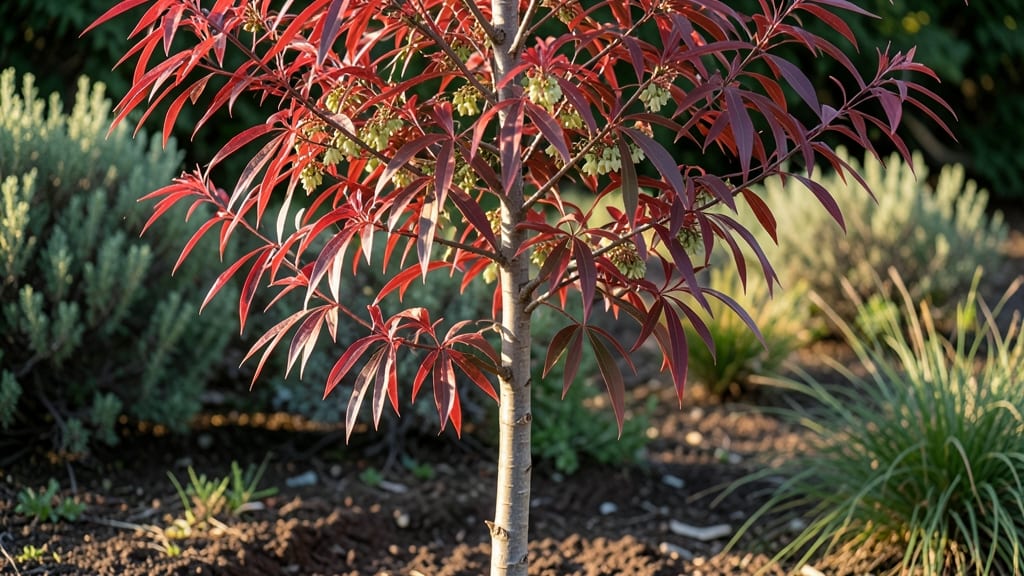
Your eucalyptus tree’s red leaves might look striking, but they’re often a sign of stress from nutrient deficiencies, environmental factors, or even disease.
If you’ve noticed your 🌳 Eucalyptus Tree (Red-Leaved Variety) developing patches of red rather than its usual green, don’t panic—this is fixable. The issue could be anything from iron deficiency to sunburn or fungal infections, and the right diagnosis is the first step toward revival.
In this guide, I’ll walk you through the most common causes of red leaves in eucalyptus trees, how to tell them apart, and three immediate fixes to restore your tree’s health.
Whether it’s adjusting your care routine or treating a hidden pest, you’ll learn what’s really going on and how to stop the problem before it spreads.
By the end, you’ll have a clear plan to bring back those vibrant green leaves—plus tips to keep your eucalyptus thriving for years to come, no matter where you live in USDA Zone 6 or warmer.
Why your eucalyptus tree leaves turn red (and how to diagnose the cause)
When your eucalyptus tree develops red leaves, it’s rarely a natural aesthetic—it’s usually a cry for help. These vibrant color changes signal underlying issues like nutrient deficiencies, fungal infections, or environmental stress.
Without quick action, the problem can spread, damaging your tree’s health. The good news? Most causes are easy to diagnose with a little detective work.
Start by examining the pattern of redness. Is it scattered or concentrated on younger leaves? Are the edges crispy or soft? These clues point to specific problems. For example, iron deficiency often causes red veins with yellow-green leaves, while leaf spot fungus creates irregular red-brown patches.
Let’s break down the most common culprits and how to spot them.
🌿 Quick Diagnostic Tip: Check the undersides of leaves for signs of pests or fungal growth. Use a magnifying glass if needed—early detection is key.
If your eucalyptus tree shows signs of iron deficiency, focus on soil amendments. Eucalyptus thrives in slightly acidic to neutral soil (pH 5.5–7.0), but iron becomes less available in alkaline conditions. Test your soil—if pH is above 7.0, apply chelated iron or sulfur to lower it gradually.
For fungal diseases like leaf spot, act fast. Remove infected leaves immediately and apply a copper fungicide every 7–10 days until new growth appears. Avoid overhead watering, as wet foliage encourages spores. Prune for airflow—eucalyptus trees need space to breathe, especially in humid climates.
Environmental stressors like overwatering or cold snaps are easier to prevent. Eucalyptus roots rot quickly in soggy soil, so ensure your tree’s well-draining soil isn’t compacted. In colder zones (below USDA 8), mulch heavily in winter to insulate roots. A 3–4 inch layer of wood chips keeps temperatures stable.
Don’t ignore sunburn either—it’s common when young trees are moved from shade to full sun. Gradually acclimate your eucalyptus to direct light over 2–3 weeks. If red patches appear, provide afternoon shade until the tree adjusts. A simple shade cloth (30–50% coverage) works wonders.
Pro tip: Keep a gardening journal to track symptoms and treatments. Note when red leaves appear (e.g., after rain, fertilizer, or a cold night) to pinpoint patterns. Over time, you’ll spot issues before they worsen.
3 Immediate fixes for red leaves in eucalyptus trees (ranked by effectiveness)
When your eucalyptus tree develops red leaves, it’s rarely a natural color—it’s usually a cry for help. The good news? You can often reverse the issue with targeted fixes. Let’s tackle the most effective solutions first, so you can restore those vibrant green leaves ASAP.
Red leaves in eucalyptus are often caused by nutrient deficiencies, environmental stress, or fungal infections. The key is identifying the root cause before applying fixes. For now, focus on these three ranked solutions that deliver the fastest results.
Start with soil amendments—this is the most effective quick fix. Eucalyptus trees often suffer from iron chlorosis or magnesium deficiency, which cause red or yellow leaves. Apply an iron supplement like iron sulfate or chelated iron to the soil.
For magnesium, use Epsom salt (1 tablespoon per gallon of water) and water deeply into the root zone.
Next, try targeted pruning to remove severely affected leaves and stems. Use sterilized pruners to cut back red or dying branches to healthy green growth. This not only improves appearance but also helps the tree redirect energy to recovery. Avoid over-pruning—remove only 20-30% of affected foliage at a time.
Finally, adjust environmental conditions like water, light, and humidity. Eucalyptus trees thrive in full sun and well-draining soil. If your tree is in shade or soggy soil, relocate it to a sunnier spot and improve drainage. Water deeply but infrequently—overwatering can worsen nutrient deficiencies and stress.
For long-term prevention, combine these fixes with regular soil testing and a balanced fertilizer in early spring. A mulch layer (2-3 inches) around the base also helps retain moisture and nutrients, reducing stress on your eucalyptus tree.
With these fixes, you should see improvement in 2-4 weeks. If red leaves persist, consult a local arborist to rule out disease or pest issues like spider mites or fungal infections.