
Pruning
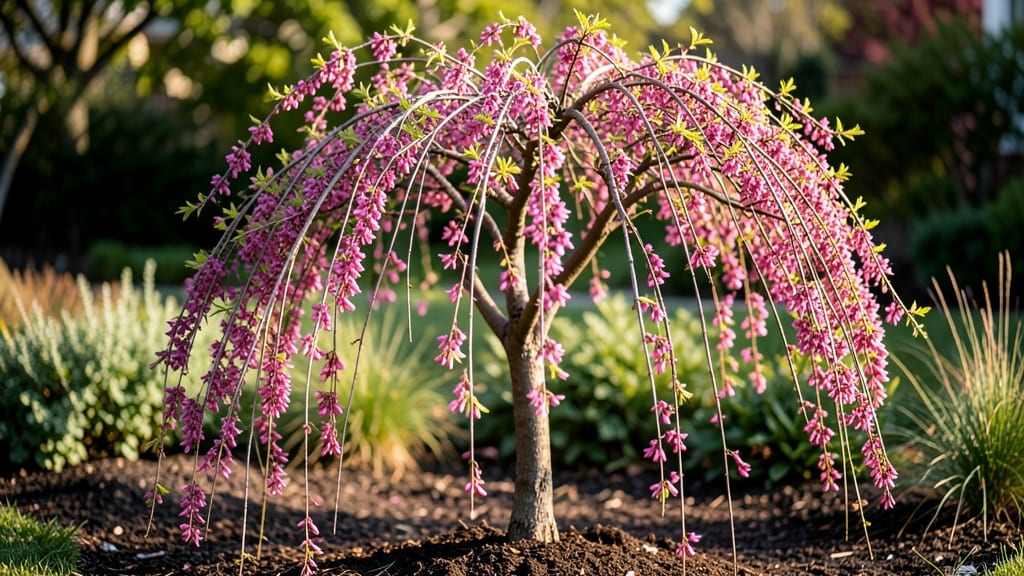
Your weeping tree pink transforms any garden into a dreamy, cascading focal point—and keeping it lush takes just 3 simple cuts. 🌸 I’ve pruned mine for five years, and the secret isn’t complicated: timing, direction, and a little patience.
The right cuts in early spring and late summer keep those pink blooms abundant while shaping the graceful, weeping form that makes this tree a showstopper.
Start with sharp pruning shears and a clear vision of your tree’s natural shape. The goal isn’t to hack away—it’s to encourage those delicate branches to spread wider and longer.
Cut just above a bud or leaf node at a 45-degree angle, and always prune back to where you see new growth emerging. This keeps the tree healthy and ensures those signature pink flowers return year after year, even in partial shade.
What you’ll end up with is a tree that looks effortlessly elegant, whether it’s draped over a patio, framing a garden entrance, or standing alone as a statement piece. The blooms attract butterflies, the foliage adds texture, and the weeping habit creates a cozy, romantic atmosphere.
Plus, with the right placement, it stays stunning from spring through fall—no deadheading or heavy maintenance required.
Works beautifully in small yards, courtyard gardens, or as a dramatic centerpiece in larger landscapes. Pair it with hostas for contrast, boxwood for structure, or let it spill over a deck railing for instant charm. Here’s how to keep it thriving without the overwhelm.
📚 In This Guide
- What you need
- Instructions
- Tips and common mistakes
- Wrapping up and next steps
What you need
- ● Pruning shears: Bypass pruners (sharp, clean, and sterilized with rubbing alcohol). Size: 6–8 inches for medium branches.
- ● Loppers: For thicker branches (½–1½ inches in diameter). Look for: Ratchet-style for ease.
- ● Hand saw: Curved-tooth pruning saw for stubborn, woody growth.
- ● Disposable gloves: Nitrile or leather (to protect from thorns and sap).
- ○ Pruning sealant: Optional but helpful for large cuts (e.g., Tanglefoot Tree Wound Pruning Sealer).
- ● Cleaning supplies: 70% isopropyl alcohol, paper towels, and a small spray bottle (for sterilizing tools between cuts).
- ● Extension pole: For hard-to-reach branches (10–12 feet, with a saw attachment if needed).
- ● Marking spray: Fluorescent paint to tag branches for removal (e.g., TreeMark).
- ● Safety goggles: If dealing with dense foliage or debris.
- ● Notebook/pencil: To sketch your pruning plan before you start.
- ● Know your tree’s age: Young Weeping Tree Pinks (under 5 years) need minimal pruning—focus on shaping, not heavy cuts.
- ● Check the weather: Prune on a dry, overcast day to reduce stress on the tree.
- ● Gather inspiration: Snap photos of your tree’s current shape and reference pruning diagrams (like the ones in this guide!).
Instructions for pruning weeping tree pinks like a pro
Here's how to keep your weeping tree pinks looking elegant year-round with just three straightforward cuts.
✂️ Step 1: Clean Up Winter Damage in Early Spring
Start pruning as soon as new growth appears in early spring—usually around late February to March depending on your climate. Look for any dead, broken, or crossing branches that mar the graceful weeping shape. These are your first targets, as they won't regrow and only detract from the plant's natural beauty.
Use clean, sharp pruning shears to make cuts just above a bud or branch collar. Avoid leaving stubs, as they invite disease. For larger branches, use loppers and make the cut at a 45-degree angle about ½ inch above the bud. This ensures water runs off properly and the wound heals faster.
Real talk: Don't skip this step. Dead branches can harbor pests and diseases that spread to healthy growth. I always do a quick sweep of the entire plant, even if I only see one or two obvious dead branches. You'll be amazed how much lighter and healthier the plant looks after just this one clean-up.
✂️ Step 2: Shape the Weeping Habit During Late Spring
Once the tree has fully leafed out—typically by late April to May—focus on maintaining that signature weeping silhouette. Step back and examine the plant from all angles. You're looking for branches that grow too upright or spread outward instead of cascading downward.
For branches that grow upward, make your cut just above a bud that points in the direction you want growth to continue. I usually aim for a 30-45 degree angle to encourage new growth in the right direction. For branches that spread too wide, trim them back to a side bud that faces inward toward the plant's center.
Here's the thing—don't overdo it. Weeping tree pinks have a natural growth pattern, and you want to preserve that elegant, flowing shape. I never remove more than 20-25% of the plant's foliage in one session. This ensures the tree maintains its vigor and doesn't get stressed.
✂️ Step 3: Light Maintenance Pruning Through Summer and Fall
During the growing season, do light maintenance pruning as needed to keep the plant looking its best. Remove any suckers that sprout at the base or any crossing branches that rub together. These small adjustments prevent future problems and keep the plant's form tidy.
In early fall, give your weeping tree pink one final check before winter. Remove any yellowing or diseased leaves and trim back any branches that grew too long during the summer. This helps the plant enter dormancy in a stronger condition. I also like to do a light shaping trim at this time to prepare for the winter shape.
Don't forget to sterilize your pruning tools between cuts, especially if you've removed any diseased branches. A quick wipe with rubbing alcohol or a 10% bleach solution keeps your tools clean and prevents the spread of pathogens. This is the moment that matters: a little prevention now saves you from bigger problems later.
⏰ Step 4: Minimal Winter Pruning (If Needed)
Winter is the only time I do minimal pruning of weeping tree pinks. If you notice any dead branches that didn't get removed in early spring, trim them out now. However, avoid heavy pruning during winter, as the plant is dormant and can't heal as effectively.
If you have a particularly overgrown specimen, you can do light structural pruning in late winter to encourage new growth. Just remember to make your cuts at the right angles and above buds to guide future growth. I usually wait until mid-February to do any winter pruning, giving the plant a little time to recover from the cold.
This is where it gets fun—watch how the fresh cuts encourage vibrant new growth in spring. The weeping tree pink's natural grace will shine even brighter after your careful winter maintenance. You'll see those new leaves emerge within a few weeks, signaling that all your efforts paid off.
Tips & tricks for perfect weeping tree pink pruning
These simple techniques will help you maintain your weeping tree pink's elegant shape without stressing the plant.
Timing is Everything: In Step 1, don't rush the early spring cleanup. Wait until you see those first tender green leaves emerging—this confirms the tree has broken dormancy and can handle pruning. I've learned the hard way that pruning too early can damage new growth still developing underground. That late February to March window is your best bet for most climates, but always follow the plant's lead rather than the calendar.
Angle Matters: When shaping branches in Step 2, pay close attention to those 30-45 degree angles. The angle directs how water runs off the cut and influences where new growth emerges. For upward-growing branches, cut just above a bud that faces outward to encourage downward growth. For wide-spreading branches, aim for a bud facing inward. This isn't just about looks—it's about guiding the plant's natural growth pattern while maintaining that signature weeping silhouette.
Tool Maintenance: Between cuts in Step 3, especially when dealing with diseased branches, sterilizing your tools is non-negotiable. I keep rubbing alcohol in a small spray bottle by my pruning station. A quick spray between cuts prevents cross-contamination that could spread diseases throughout your plant. Think of it as your insurance policy against future problems—it takes 10 seconds but saves hours of potential cleanup later.
Seasonal Awareness: In Step 4, remember that winter pruning should be minimal. The plant's dormant state means it heals slower, and heavy cuts can shock the system. If you must prune in winter, focus only on removing dead branches or doing light structural adjustments. The real work happens in spring when the tree's energy is focused on new growth. This patience pays off when you see those fresh leaves emerge in spring, signaling your careful maintenance worked.
Pro Tips for Weeping Tree Pink
- These simple techniques will help you maintain your weeping tree pink's elegant shape without stressing the plant.
- Timing is Everything: In Step 1, don't rush the early spring cleanup.
- Angle Matters: When shaping branches in Step 2, pay close attention to those 30-45 degree angles.
Frequently asked questions
Got questions about keeping your Weeping Tree Pink (also known as Lagerstroemia 'Weeping Pink') in top shape with minimal pruning? Here are some of the most common queries—and their answers—to help you master the art of year-round grace with just three simple cuts.
When is the best time to prune a Weeping Tree Pink?
The ideal time to prune is late winter or early spring (before buds swell) to encourage healthy growth. However, you can also do light shaping cuts in summer to maintain its weeping form. Avoid heavy pruning in fall—it may stimulate tender new growth before winter.
Can I prune my Weeping Tree Pink at any time of year?
While you can make minor adjustments anytime (like removing dead branches), avoid heavy pruning in late fall or winter in cold climates—it can stress the tree. Stick to the three-cut rule (structural, shaping, and cleanup) for best results year-round.
Will pruning reduce the number of flowers on my Weeping Tree Pink?
Not if done correctly! Pruning old wood in late winter actually stimulates more blooms the following season. Just avoid cutting back more than 1/3 of the tree at once—this keeps the flower production vibrant while maintaining its graceful form.
What if my Weeping Tree Pink starts looking leggy after pruning?
Leggy growth usually means too much pruning in one go or not enough light. To fix it:
- Prune only 10-15% of the canopy per year.
- Thin out dense inner branches to improve airflow.
- Fertilize lightly in early spring with a balanced tree food.
Are there alternatives to pruning if I don’t want to cut my tree?
If you prefer a hands-off approach, you can still maintain its beauty with:
- Natural shaping: Let it grow wild for a whimsical, untamed look (great for cottage gardens!).
- Selective branch removal: Just trim dead or crossing branches as needed.
- Mulching & watering: Healthy roots = less need for aggressive pruning.
Wrapping up and next steps
The Weeping Tree Pink isn’t just a stunning addition to your garden—it’s a low-maintenance beauty that thrives with just three simple cuts a year! By mastering the art of pruning, you’ll keep its graceful branches flowing and its blooms vibrant for seasons to come. 🌸
Ready to transform your outdoor space? Grab your tools, follow the steps, and watch your tree flourish with year-round elegance. Start small—today’s cut could be tomorrow’s showstopper!
Next step: Mark your calendar for spring, summer, and fall pruning sessions and enjoy the process. Happy gardening! ✂️🌿