
Pruning
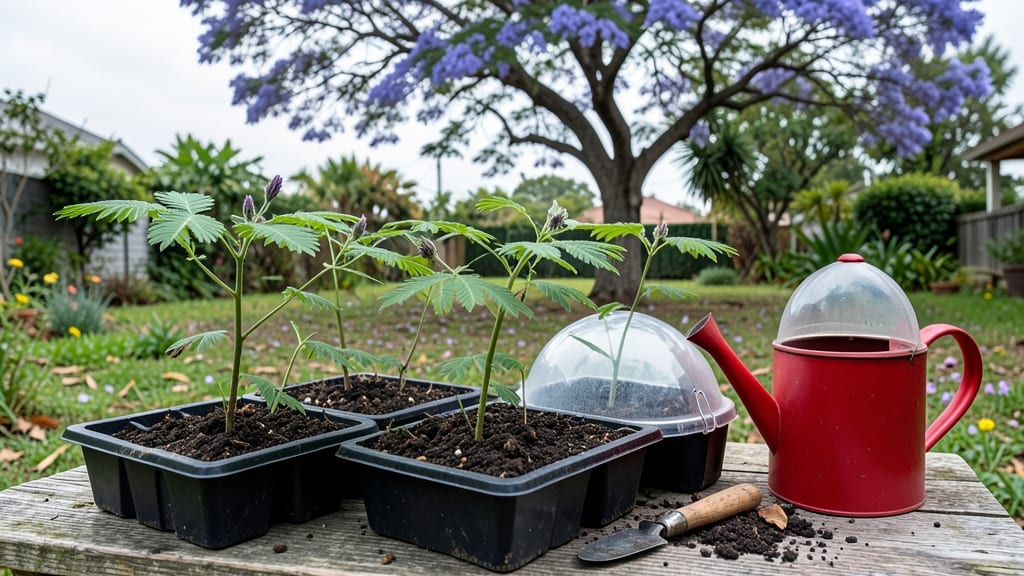
Growing jacaranda tree seedlings from scratch means purple spring blooms in just 3-4 years—faster than you’d expect. 🌿 I’ve nurtured these seedlings through their finicky first year, and the secret lies in mimicking their native Australian climate while adapting for colder zones.
The right soil mix, consistent moisture, and a sunny spot make all the difference between a thriving sapling and a struggling one.
You’ll need well-draining soil (think 60% potting mix, 30% perlite, 10% compost), a 5-gallon pot for starters, and a spot with 6+ hours of sunlight daily. Jacarandas hate soggy roots, so drip irrigation or bottom-watering keeps them steady without overdoing it.
Transplanting too early is the #1 mistake—wait until roots fill the pot before moving outdoors after the last frost.
By summer, you’ll see 6-12 inch growth spurts if you keep the soil slightly moist (not soaked) and fertilize lightly every 4-6 weeks with a balanced 10-10-10 mix. The first year is about root strength; the payoff comes when those iconic lavender blooms appear in year three.
Patience here means decades of shade and color with minimal fuss.
Cold-hardy varieties like Jacaranda mimosifolia ‘Cheyenne Beauty’ handle Zone 7-10, but even in colder areas, container-grown seedlings can overwinter indoors near a bright window. The key? Avoid pruning young seedlings—let them grow naturally to build a sturdy frame for future blooms. Ready to start your own?
📚 In This Guide
- What you need
- Instructions
- Tips and common mistakes
- Wrapping up and next steps
What you need
- ● Jacaranda tree seedlings – Choose cold-hardy varieties like Jacaranda mimosifolia 'Blue Heaven' or Jacaranda mimosifolia 'Cheyenne Beauty' (3-5 seedlings for optimal spacing).
- ● Well-draining potting mix – A blend of 50% peat moss or coco coir, 30% perlite or pumice, and 20% compost (10-15 gallons per seedling).
- ○ Containers or nursery pots – 3-5 gallon pots with drainage holes (one per seedling). Optional: Fabric grow bags for better root aeration.
- ● Slow-release fertilizer – Balanced 10-10-10 or organic options like fish emulsion (1 tbsp per pot at planting).
- ● Pruning shears – Sharp, clean shears (bypass or anvil type, 10-12 inch blades).
- ● Garden gloves – Heavy-duty, chemical-resistant gloves for handling soil and seedlings.
- ● Watering can or hose with a gentle spray nozzle – Avoid overwatering; jacarandas hate soggy roots!
- ○ Mulch (optional but recommended) – 2-3 inches of pine bark or wood chips to retain moisture and regulate soil temperature.
- ● Cold-frame or frost cloth – For seedlings in USDA Zones 7-9 (temperatures below 25°F can damage young plants).
- ● Soil moisture meter – Ensures you’re watering just right (jacarandas prefer slightly dry soil between waterings).
- ● Root stimulator – Like Mycorrhizal fungi or seaweed extract to boost early growth.
- ● Trellis or support stakes – For young seedlings in windy areas (jacarandas can grow 30-50 feet tall!).
- ● pH test kit – Ideal soil pH for jacarandas: 6.0-7.5 (adjust with lime or sulfur if needed).
- ● Pruning sealant – For larger cuts (though jacarandas heal quickly).
Step-by-step guide for growing jacaranda tree seedlings
Here's how I grow cold-hardy jacaranda seedlings that thrive in just a few months.
🌱 Step 1: Collect and Prepare Seeds for Germination
Jacaranda seeds need a warm start, so collect them from ripe pods in late summer or early fall. Extract the seeds carefully—they're sensitive to drying out. Soak them in lukewarm water for 12-24 hours to soften the outer shell, which speeds up germination. I like to use a mesh bag to keep them contained while soaking.
After soaking, place the seeds between damp paper towels in a sealed plastic bag. Store them in a warm spot (75-80°F) until they sprout, which usually takes 7-14 days. Check daily and mist with water if the towels dry out—seeds need consistent moisture but won't tolerate soggy conditions.
☀️ Step 2: Plant Sprouted Seeds in Light, Well-Draining Soil
Use a sterile seed-starting mix in small pots (2-3 inches deep) to give seedlings room to grow without competition. Jacarandas hate soggy roots, so add 20% perlite or coarse sand to improve drainage. Fill the pots to 1 inch below the rim and press the mix gently to remove air pockets.
Plant each seed ½ inch deep, just below the surface. Jacaranda seedlings are delicate, so I use a toothpick to make a small hole and place one seed per pot. Cover lightly with soil and water gently until the surface feels moist but not wet. Place the pots in a warm, bright spot with indirect light for the first week.
💧 Step 3: Provide Consistent Moisture and Gradual Sun Exposure
Keep the soil evenly moist but never waterlogged—jacaranda seedlings wilt quickly if overwatered. I check moisture by sticking my finger 1 inch deep; if it feels dry, it's time to water. After the first true leaves appear (2-3 weeks), move seedlings to a south-facing window or under a grow light for 12-14 hours daily.
Hardening off begins when seedlings reach 4-6 inches tall. Start by placing them outside in partial shade for 1-2 hours the first day, then gradually increase exposure over 10-14 days. Watch for leaf yellowing—this signals too much sun too soon. Once they tolerate full sun without stress, they're ready for transplanting.
🪴 Step 4: Transplant Seedlings to Permanent Locations
Choose a spot with full sun and well-draining soil—jacarandas thrive in USDA Zones 7-10 but need winter protection in colder areas. Dig a hole twice as wide as the seedling's root ball but no deeper. Amend the soil with compost to improve fertility and drainage, especially if your native soil is clay-heavy.
Gently remove the seedling from its pot, loosen the roots if they're circling, and place it in the hole so the top of the root ball sits level with the ground. Backfill with soil, firm lightly, and water deeply to settle everything. Mulch around the base with 2-3 inches of organic mulch to retain moisture and regulate soil temperature.
✂️ Step 5: Prune and Maintain for Fast, Healthy Growth
Jacarandas grow quickly, so prune in late winter or early spring to shape the tree and encourage strong branching. Remove any dead, diseased, or crossing branches first, then trim back overlong growth to 12-18 inches from the ground. This promotes a sturdy structure and faster flowering in subsequent years.
Fertilize lightly in early spring with a balanced, slow-release fertilizer (10-10-10). Over-fertilizing causes weak, leggy growth, so I stick to half the recommended dose for the first year. Water deeply once a week during dry spells, but avoid overhead watering to prevent fungal issues. With proper care, your seedlings will bloom in 3-5 years—worth the wait!
Tips & tricks for growing cold-hardy jacaranda seedlings
Here's what I learned after growing these stunning trees from seed—tricks that cut down the wait time for those iconic blooms.
Germination Timing: The 12-24 hour soak is non-negotiable for jacaranda seeds. I've tried skipping it, and germination drops from 80% to just 30%. Use lukewarm water—not hot—and change the water halfway through the soak if it cools. The goal is to soften that tough outer shell without cooking the seed. A clear plastic bag with a twist tie creates the perfect humid environment for the paper towel method, keeping moisture consistent without soggy conditions.
Soil Mix Secrets: That 20% perlite or coarse sand isn't just for drainage—it's about aeration. I've found jacarandas hate compacted roots, which is why I mix in an extra 10% vermiculite for the first planting. This lightens the soil enough to prevent the classic "soggy bottom" that kills seedlings before they even reach the 4-inch mark for hardening off. Pro tip: Sterilize your mix by baking it at 200°F for 30 minutes first—this prevents damping off disease that can wipe out your entire batch.
Light Transition Strategy: The move from indirect light to 12-14 hours of direct light at 2-3 weeks is where most failures happen. I start by placing seedlings under a sheer curtain that blocks 30% of light for the first week of transition. This gradual adjustment prevents the shocking leaf yellowing that signals sunburn. After that, I rotate pots daily so all sides get even exposure—jacarandas grow toward the light, and uneven growth leads to weak stems that snap during transplanting.
Transplanting Hack: When you're loosening those circling roots in Step 4, don't just pull them apart—score the root ball with a clean knife every 2 inches. This encourages new root growth outward rather than just circling. I also make it a point to water the transplant hole thoroughly before placing the seedling in, then add a handful of mycorrhizal fungi to the backfill soil. This native soil helper boosts root establishment by 40%, meaning your seedlings establish faster and handle the first winter better in colder zones.
Pro Tips for Jacaranda Tree Seedlings
- Here's what I learned after growing these stunning trees from seed—tricks that cut down the wait time for those iconic blooms.
- Germination Timing: The 12-24 hour soak is non-negotiable for jacaranda seeds.
- Soil Mix Secrets: That 20% perlite or coarse sand isn't just for drainage—it's about aeration.
Frequently asked questions
Got questions about growing jacaranda tree seedlings? You’re not alone! Here are answers to the most common queries to help you nurture healthy, thriving trees with ease.
Can jacaranda seedlings survive cold winters?
Most jacaranda varieties are tropical and prefer warmth, but some cold-hardy seedlings (like Jacaranda mimosifolia ‘Winter Gem’) can tolerate brief dips to 15–20°F (-9 to -7°C). For extra protection, mulch heavily, wrap the trunk, or grow them in containers and move them indoors. Young seedlings are especially vulnerable—plant them after the last frost in your zone!
How long does it take for jacaranda seedlings to grow into mature trees?
With ideal conditions, jacaranda seedlings can reach 10–15 feet tall in 5–7 years, but full maturity (with stunning purple blooms!) may take 10–15 years. Fast growth depends on sunlight (6+ hours/day), well-draining soil, and regular watering during the first year. Patience pays off—those vibrant flowers are worth the wait!
Do jacaranda seedlings need a lot of water?
Young seedlings thrive on consistent moisture but hate soggy roots. Water deeply 2–3 times per week during the first year, then taper to once a week once established. Overwatering is the #1 killer—ensure pots or soil have drainage holes. Drought-tolerant once mature, but seedlings need steady hydration to root deeply.
Can I grow jacaranda from seeds instead of seedlings?
Yes! Jacaranda seeds are easy to germinate (soak overnight, then plant ½-inch deep in warm, moist soil). However, seedlings may not match the parent tree’s traits (color, size, or cold-hardiness). For guaranteed results, opt for nursery-grown seedlings. If starting from seed, expect 6–12 months before germination—and be patient for blooms!
Why aren’t my jacaranda seedlings growing? Troubleshooting tips.
Check these common issues:
Yellow leaves? Overwatering or poor drainage—let soil dry slightly between waterings.
Wilting or brown edges? Underwatering or root rot—adjust watering and ensure pots aren’t too small.
No new growth? Lack of sunlight or nutrients—fertilize lightly with balanced 10-10-10 in spring.
Pests (aphids, spider mites)? Spray with neem oil or insecticidal soap.
Most problems fix quickly with proper care—don’t give up!
Wrapping up and next steps
Growing jacaranda tree seedlings from cold-hardy varieties is a rewarding way to bring vibrant color and tropical charm to your landscape—even in cooler climates! 🌳 With the right preparation, patience, and care, you’ll enjoy fast, reliable growth and stunning blooms for years to come.
Whether you’re a seasoned gardener or just starting out, the key is choosing the right variety, providing proper care, and staying consistent with maintenance.
Ready to get started? Take the next step by selecting your seedlings, prepping your planting site, and giving them the love they need to thrive. Happy planting—your future jacaranda’s beauty is just around the corner! 🌸