
Trees
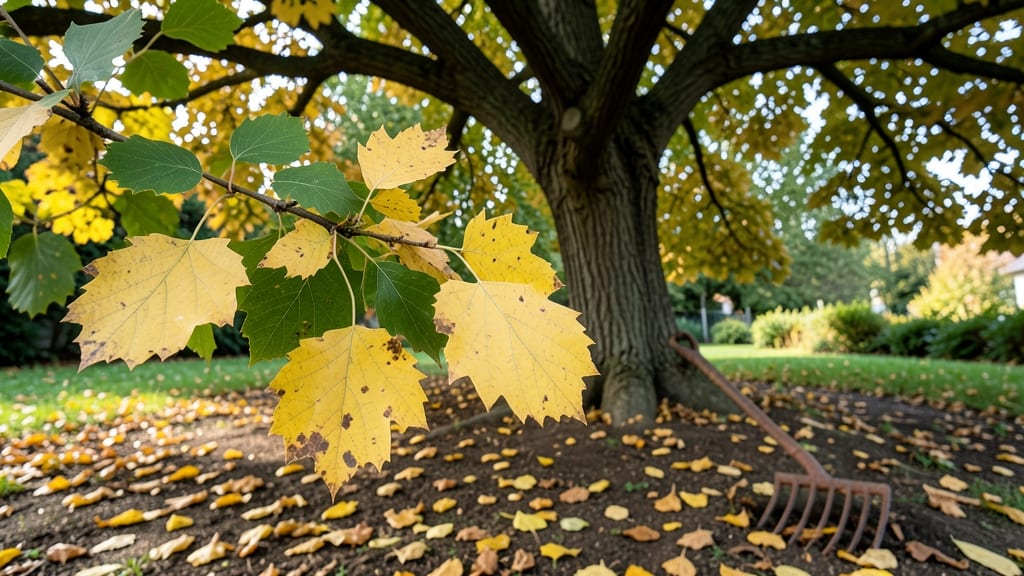
When your elm tree develops yellow leaves, it's usually a sign of overwatering, nutrient shortages, fungal infections like Dutch elm disease, or environmental stress from drought or poor soil drainage. To pinpoint the exact issue, examine leaf patterns, soil moisture, and overall tree health first.
Yellowing elm leaves often start as a subtle warning sign before becoming a full-blown problem. 🌳 The most common culprit is overwatering, which cuts off oxygen to the roots and triggers yellowing between leaf veins—a classic sign of iron chlorosis.
Fungal diseases like Dutch elm disease, however, cause yellowing paired with wilting or browning edges, often starting in the tree's upper branches. Nutrient deficiencies show up differently: nitrogen deficiency results in pale yellow leaves, while iron deficiency causes yellowing between veins with green edges.
Environmental factors like compacted soil or poor drainage can also stress elm trees, leading to yellow leaves that may drop prematurely. The key to solving the issue is identifying which symptoms match your tree's specific condition—whether it's patchy yellowing, uniform discoloration, or leaf curl.
Once you've narrowed it down, targeted fixes like adjusting watering schedules or applying organic fungicides can help restore your elm tree's health.
💡 In This Article
- Diagnosing Elm Leaf Yellowing: Root Causes and Symptoms
- Step-by-Step Elm Tree Care Fixes for Yellow Leaves
Diagnosing elm leaf yellowing: root causes and symptoms
Elm trees develop yellow leaves primarily due to three interconnected stress pathways: water imbalance, nutrient deficiencies, and pathogen attacks. Overwatering creates anaerobic soil conditions, where roots suffocate and can't absorb oxygen—a process called hypoxia.
This triggers iron chlorosis, where leaves turn yellow between green veins because the tree can't transport iron efficiently. Conversely, underwatering causes yellowing from drought stress, but the edges often brown first due to cell dehydration.
The visual clues differ dramatically between causes. Dutch elm disease, caused by the fungus Ophiostoma novo-ulmi, produces yellowing paired with wilting that spreads upward through the canopy, often starting in the tree's upper branches.
Leaf spot fungi create irregular yellow patches with brown or black centers, while nutrient deficiencies like nitrogen shortage result in uniform pale yellowing across entire leaves. Iron deficiency causes interveinal chlorosis—yellowing between veins while edges stay green—a classic sign of poor iron uptake.
Environmental factors like soil pH imbalance (below 6.0 or above 7.5) or compaction from foot traffic restrict root access to nutrients, leading to yellowing. Compacted soil also reduces oxygen levels, mimicking overwatering symptoms.
The key diagnostic step is checking soil moisture: if the top 2-3 inches feel soggy, overwatering is likely. For nutrient issues, a simple DIY test involves mixing 1 cup soil with 2 cups water and observing color—dark brown indicates healthy organic matter, while gray suggests depleted nutrients.
Seasonal timing matters too. Yellowing in early spring often signals winter stress from frost damage or salt buildup from deicing, while summer yellowing typically points to heat or drought.
The pattern of leaf drop offers another clue: sudden leaf drop with yellowing suggests fungal infection, while gradual yellowing before leaf fall usually indicates nutrient deficiency. 🌿 Most homeowners miss the early signs because they focus on the leaves rather than the root health or soil conditions.
Advanced symptoms include leaf curl (a defensive response to fungal infection) or stunted new growth (nutrient deficiency). Dutch elm disease progresses rapidly—within weeks, infected branches may show brown streaks under bark when cut open.
This vascular disease blocks water transport, causing leaves to wilt even when soil is moist. The disease spreads through bark beetles, so isolating infected trees is critical to prevent spread to neighboring elms.
Consider this comparison: overwatered elms have soft, spongy roots that smell sour, while underwatered elms develop hard, brittle roots with a dry texture. Nutrient-deficient trees often show small, pale new leaves because the tree prioritizes existing foliage.
These distinctions help narrow down the issue before applying fixes—whether it's adjusting irrigation, amending soil, or pruning infected branches.