
Trees
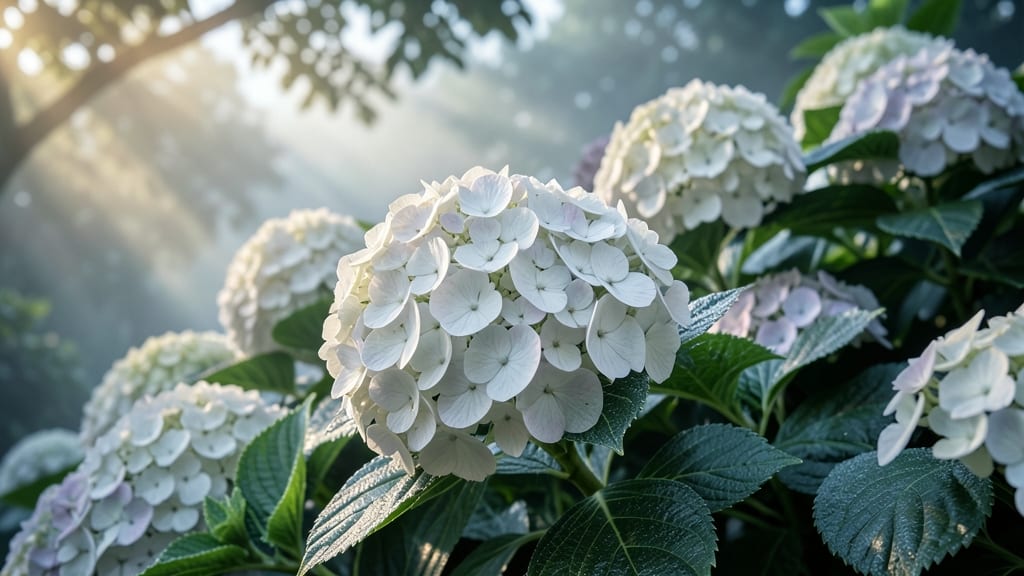
Transform your garden into a lush, ever-changing masterpiece with these 10 hydrangea tree varieties. From vibrant blooms to striking foliage, these stunning plants deliver year-round visual impact and adaptability for any landscape.
Oakleaf Hydrangea Paniculata
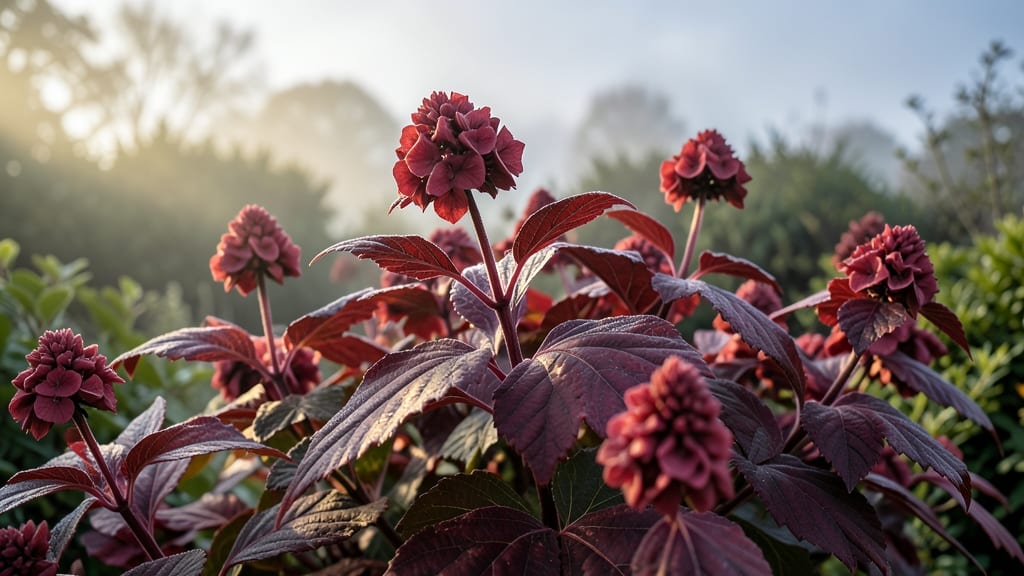
If you crave a garden that stays stunning long after summer fades, the Oakleaf Hydrangea Paniculata is your perfect partner. Unlike other hydrangeas that fade with autumn, this variety delivers a fiery second act with deep red foliage and cone-shaped blooms that persist well into winter.
Thriving in USDA zones 5-9, this deciduous shrub reaches 6-12 feet tall with a rounded habit, making it ideal for focal points or mixed borders. Its cone-shaped flowers start white or cream in summer, then deepen to soft pinks, while the leaves transform into brilliant reds and purples by fall. Plant in full sun to partial shade with well-drained soil, and enjoy minimal care requirements once established.
This hydrangea is especially rewarding for gardeners in cooler climates who want year-round interest without the upkeep of annuals. Perfect for both woodland gardens and urban landscapes, it's a standout for those who love drama with minimal fuss. 🌟
Bigleaf Hydrangea Macrophylla
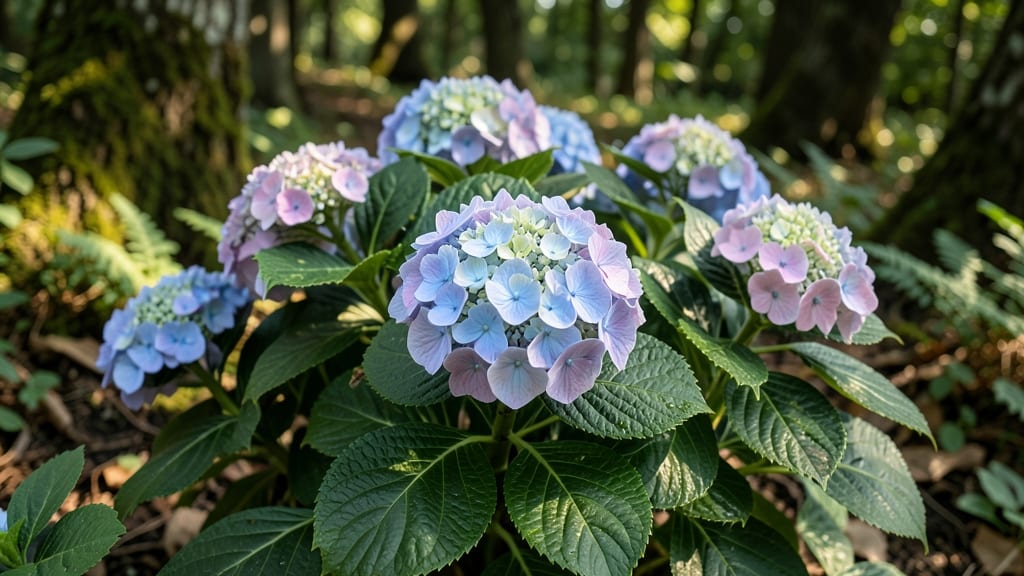
If you crave show-stopping blooms that scream "summer garden," the Bigleaf Hydrangea Macrophylla delivers. Unlike its fall-flaming cousins, this variety thrives in partial shade, making it perfect for woodland gardens, under trees, or even balcony containers where direct sun might scorch other plants.
Its large, lacy flowers (3-6 inches across) come in blue, pink, or white, depending on soil pH—alkaline soil favors blue, acidic soil leans pink. For containers, choose dwarf varieties like 'Nikko Blue' or 'Endless Summer' to keep size manageable. Water consistently to maintain those glossy green leaves and blooms, but avoid soggy soil to prevent fungal issues.
Urban gardeners and shade-loving enthusiasts rejoice—this hydrangea adapts to city life and partial shade conditions, offering year-round interest with its foliage and blooms. Just remember: prune in late winter to shape and encourage next year's flowers. 💚
Smooth Hydrangea Arborescens
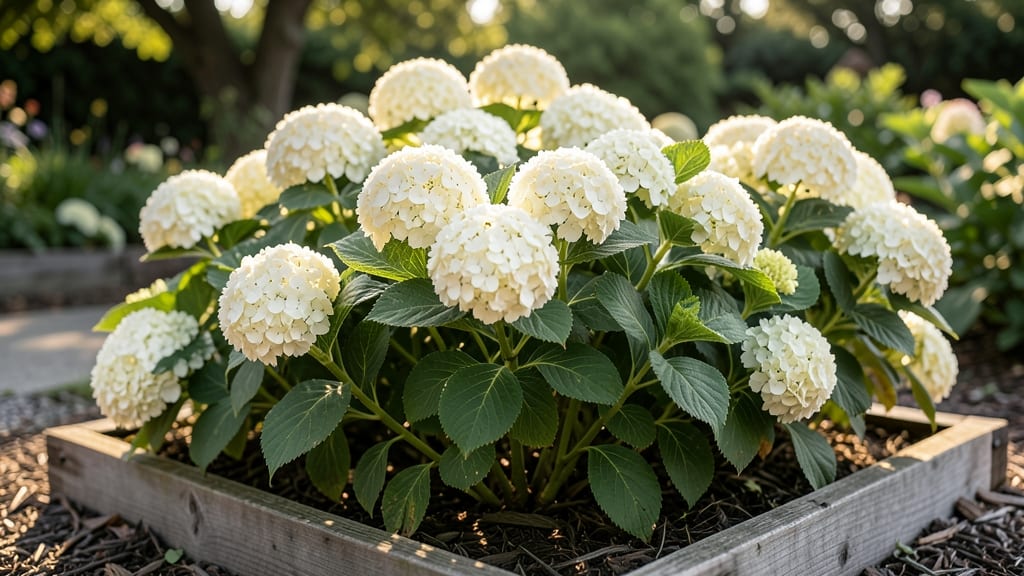
Looking for a hydrangea that practically grows itself while still delivering jaw-dropping blooms? Meet the Smooth Hydrangea Arborescens, nature's answer to "set it and forget it" gardening. This native North American beauty thrives in full sun to partial shade, making it versatile enough for almost any garden spot.
With its massive white flower clusters that can reach 8 inches across, this hydrangea creates dramatic focal points while attracting pollinators like bees and butterflies. The secret to its low-maintenance fame? It's drought-tolerant once established and handles both wet and dry soils with equal grace. For best results, prune in late winter to encourage fresh growth and larger blooms.
This variety is especially perfect for beginners who want instant impact without the fuss, or urban gardeners with limited space—it grows 3-5 feet tall and wide, making it ideal for borders, foundation plantings, or even large containers. 🌱
Climbing Hydrangea Petiolaris
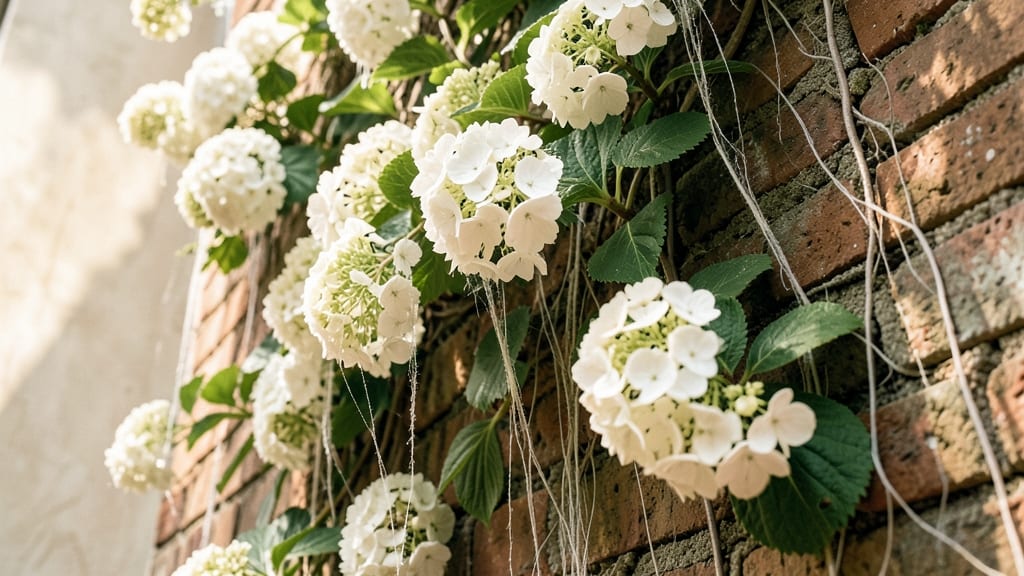
If you're dreaming of a vertical garden without the fuss of vines or ivy, climbing hydrangea (Hydrangea petiolaris) is your answer. This rare beauty clings to surfaces with tiny aerial roots, creating a lush, romantic curtain of delicate white lace-like blooms—perfect for transforming bare walls, fences, or arbors into living art.
Unlike other hydrangeas, petiolaris thrives in partial shade to full sun and handles urban pollution well, making it ideal for city gardens. Plant it near a sturdy trellis or arbor, and within a few years, its vines will climb 15-20 feet, covering unsightly surfaces with fragrant blooms from late spring to summer. Prune lightly in late winter to encourage new growth and maintain its shape.
This hydrangea is a game-changer for small spaces—urban gardeners, balcony dwellers, and anyone with limited ground space will love its ability to add drama without taking up room. Plus, its low-maintenance nature makes it perfect for busy gardeners who still want a stunning focal point. 🌿
Dwarf Hydrangea Limelight
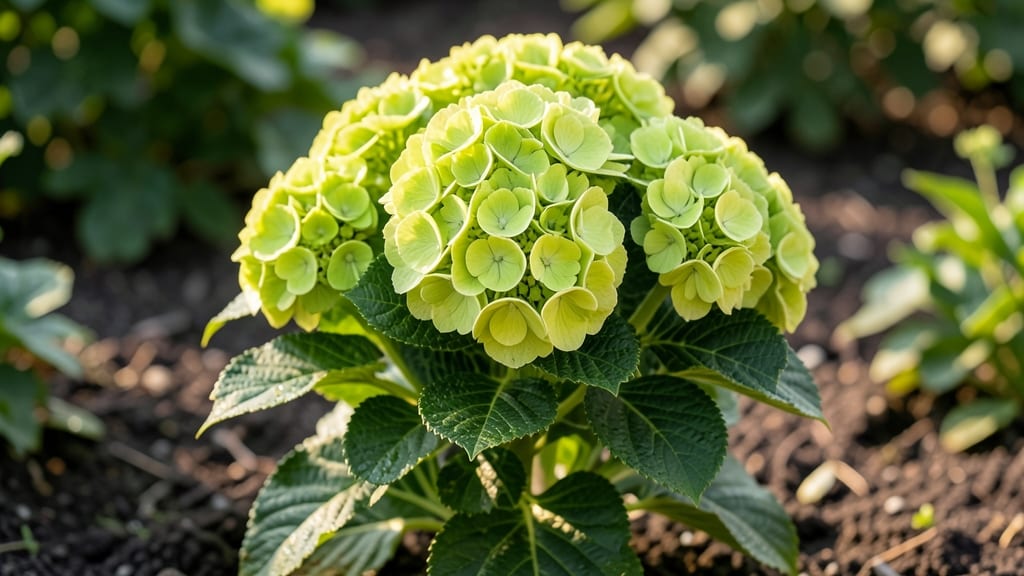
If you’ve ever wished for a hydrangea that delivers big impact without taking over your space, Dwarf Hydrangea Limelight is your answer. This compact powerhouse grows just 3-4 feet tall and wide, making it perfect for small gardens, mixed borders, or even containers on patios.
What sets it apart is its two-tone blooms: lime-green flowers in spring that gradually shift to soft pink by summer. Unlike other varieties, it requires minimal pruning—just a light trim after flowering to maintain shape. It thrives in full sun to partial shade and tolerates a range of soils, from clay to loam.
Urban gardeners and small-space enthusiasts will love how this variety delivers season-long color with almost no fuss. Plus, its compact size makes it ideal for creating layered garden beds or as a focal point in container arrangements. 🌻
Mountain Hydrangea Serrata
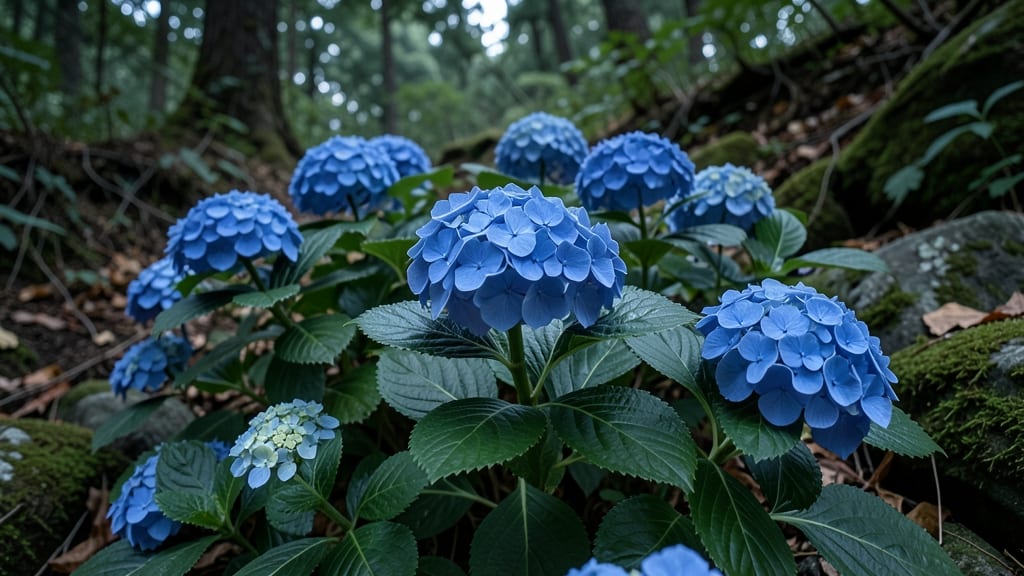
If you crave a hydrangea with old-world charm and a woodland garden feel, Mountain Hydrangea Serrata delivers with its deep blue blooms and serrated, glossy leaves. This Japanese native thrives where others falter—cooler climates and partial shade, making it perfect for shaded borders, under trees, or as a focal point in woodland gardens.
The Hydrangea serrata stands out for its textured foliage that adds visual interest year-round, while its fragrant flowers attract pollinators. Plant in well-draining, acidic soil (pH 5.0-6.0) to maintain those signature blue blooms, and prune lightly after flowering to encourage next year’s growth. Its compact size (3-5 feet) makes it ideal for small spaces or container gardens.
Perfect for gardeners in USDA zones 5-8, this hydrangea is a low-maintenance yet high-impact choice for those who love moisture-loving plants with a touch of elegance. Add it to your garden for a serene, naturalistic touch that blooms reliably. 🌿
Panicle Hydrangea Little Lime
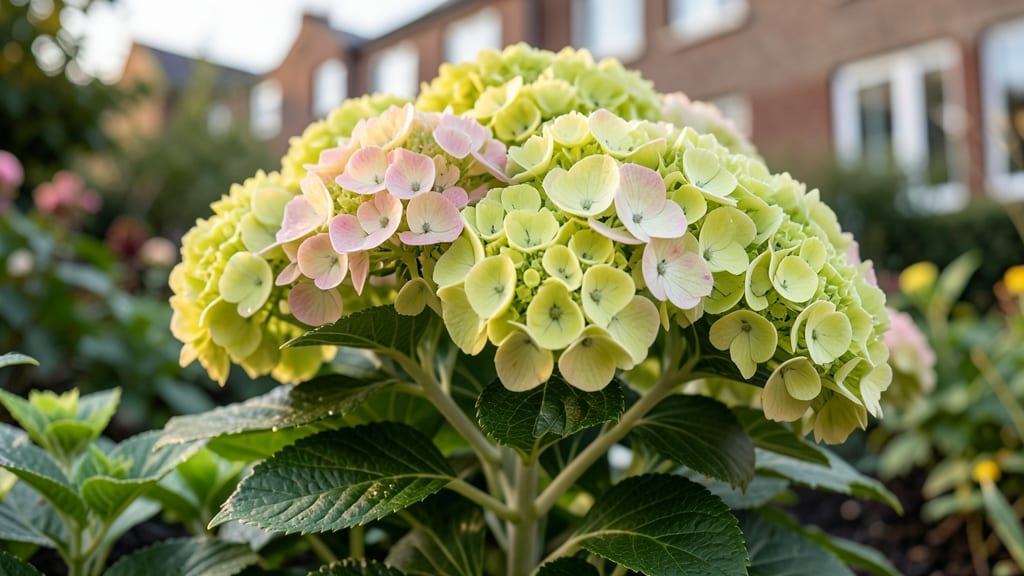
Looking for a pollinator magnet that fits perfectly in tight spaces? Meet Panicle Hydrangea 'Little Lime'—a compact powerhouse with chartreuse blooms that burst into pink hues as summer fades. This dwarf variety tops out at just 3-4 feet, making it ideal for urban gardens, mixed borders, or even container planting on patios.
What sets 'Little Lime' apart is its year-round appeal: early blooms feed bees and butterflies, while its glossy foliage adds texture even after flowers fade. It thrives in full sun to partial shade and handles dry spells better than many hydrangeas, thanks to its deep root system. For best results, prune back by one-third in late winter to encourage bushier growth and more abundant blooms.
Urban gardeners and small-space enthusiasts will love how this variety delivers big impact with minimal footprint. Plus, its vibrant color contrasts beautifully with purples, blues, and silver foliage in mixed plantings. 🌻
Hydrangea Quercifolia Oakleaf
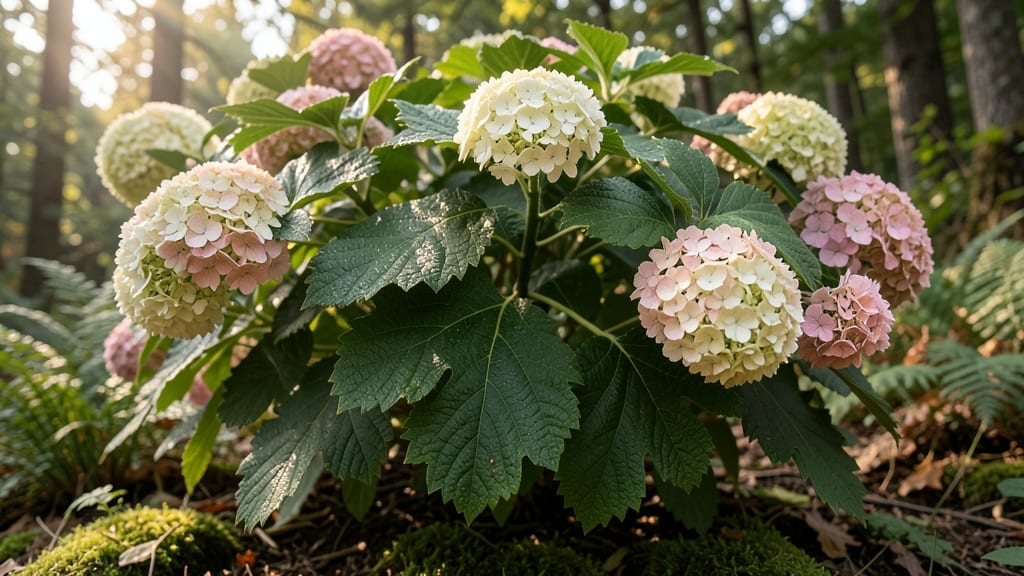
If you love the look of oak trees but crave the beauty of hydrangeas, Hydrangea quercifolia—or Oakleaf Hydrangea—is your perfect match. This Southern native brings lobed, oak-shaped leaves and showstopping white-to-pink blooms that transition from summer to fall, making it a standout in any garden.
Thriving in zones 6-9, Oakleaf Hydrangea handles heat and humidity better than most, with its drought-tolerant roots and glossy foliage that turns fiery red in autumn. Plant it in full sun to partial shade for maximum blooms, and enjoy its low-maintenance nature—just prune lightly after flowering to shape it. The fragrant blooms also attract pollinators, adding extra life to your garden. 🌿
Endless Summer Hydrangea
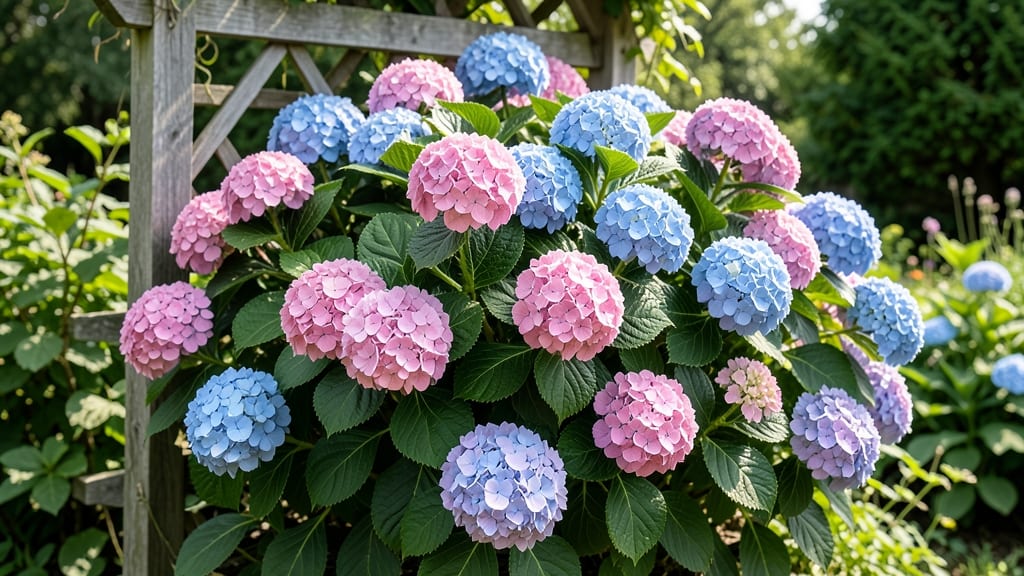
Tired of hydrangeas that bloom once and then fade? The Endless Summer Hydrangea (Hydrangea macrophylla) is your solution—this reblooming variety keeps producing large, showy flowers in pink or blue from early summer through fall with almost no effort. Unlike traditional hydrangeas that rely on spring blooms, this cultivar delivers continuous color without deadheading or heavy pruning.
Thriving in partial shade to full sun, it adapts to most soils as long as they’re well-draining. For blue blooms, amend acidic soil with sulfur; for pink, add lime. Water consistently to keep the roots moist but not soggy—once established, it’s drought-tolerant. Deadhead spent blooms in late summer to encourage even more flowers next year.
This is the perfect hydrangea for beginners—it forgives mistakes, attracts pollinators, and adds year-round interest with its glossy green leaves. Plant it near patios or entryways to enjoy its fragrant blooms all season. 🌟
Silver Lace Hydrangea

If you crave a whimsical, fairy-tale-like garden corner, the Silver Lace Hydrangea (Hydrangea macrophylla 'Silver Lace') delivers ethereal beauty with its silvery-green foliage and delicate white lace-like blooms. This variety thrives where others falter—partial to full shade—making it perfect for under trees, woodland gardens, or as a vertical accent near patios.
Unlike most hydrangeas, its foliage remains striking year-round, even when blooms fade. Plant in moist, well-draining soil enriched with organic matter, and prune lightly after flowering to encourage next season’s display. The airy, cascading habit works beautifully in cottage-style gardens or as a container specimen on porches.
This is the dream choice for gardeners who love texture, shade tolerance, and low-maintenance elegance—ideal for those with limited sun or seeking a romantic, old-world charm. 🌷