
Size
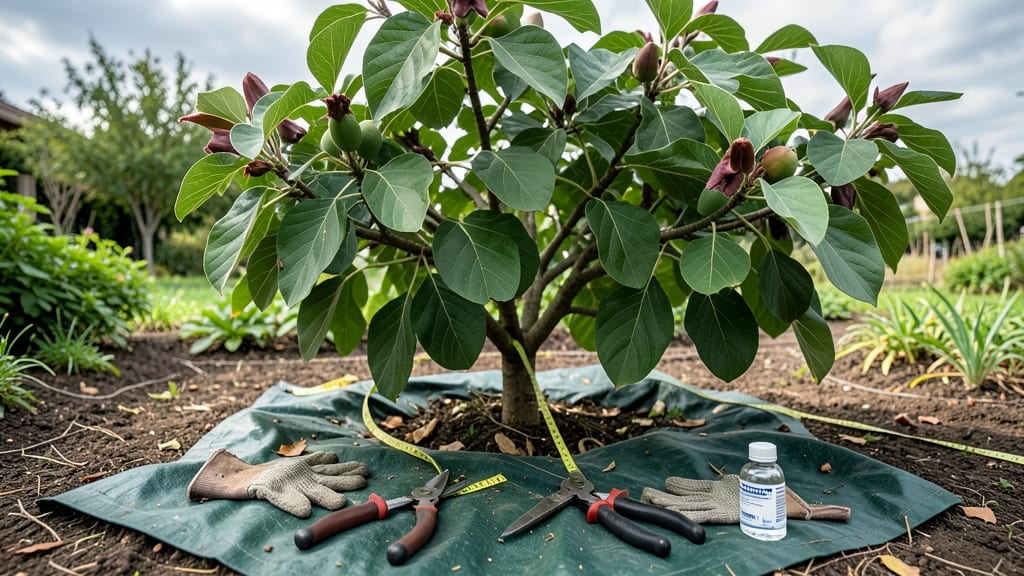
How to stop a pawpaw tree from growing too tall—it’s all about the right pruning approach while keeping its fruit potential intact. 🌿 I’ve wrestled with towering pawpaws that blocked my porch light, and I learned how to keep them under control while still getting those sweet, custard-like fruits every fall. The key is timing and technique: prune at the right season, cut in the right places, and you’ll encourage bushier growth instead of skyward sprinting.
You’ll need a few basic tools: sharp pruning shears, rubbing alcohol (to sterilize cuts), and a ladder if your tree’s already too tall.
The best time to prune is late winter or early spring, just before new growth starts—this prevents disease spread and gives you a clear view of the tree’s structure. Focus on removing suckers (those aggressive shoots at the base) and overlapping branches that compete for sunlight.
What you’ll end up with is a pawpaw that’s easier to harvest from, with more sunlight reaching the lower branches where fruit forms. The tree stays compact but sturdy, and you’ll still get those rich, tropical-tasting fruits you love.
Just avoid heavy pruning in summer—it stresses the tree and can reduce next year’s harvest.
This method works for both young trees and mature ones—just scale back the cuts if your tree is older. Start small, observe how it responds, and adjust next year. Before you know it, you’ll have a pawpaw that’s just the right height for your space without sacrificing a single fruit.
📚 In This Guide
- What you need
- Instructions
- Tips and common mistakes
- Wrapping up and next steps
What you need
- ● Pruning shears or loppers – Choose bypass pruners (for clean cuts) or loppers (for thicker branches, up to 1.5 inches in diameter). Sterilize with rubbing alcohol before and after use!
- ● Hand pruners – For smaller branches (up to ½ inch thick). Look for ergonomic handles for comfort during long pruning sessions.
- ● Saw (pruning or bow saw) – For branches thicker than 1.5 inches. A curved blade works best for tight spaces.
- ● Gloves (heavy-duty gardening gloves) – Pawpaw trees can have thorns and rough bark. Opt for nitrile-coated gloves for extra grip.
- ○ Disposable pruning sealant or wound paint – Optional but helpful for sealing larger cuts (½ inch or wider) to prevent disease. Look for water-based, non-toxic options.
- ● Ladder (extendable or step ladder) – If your tree is already tall (6+ feet), a stable, non-slip ladder is a must. Never stand on shaky surfaces!
- ● Rake or tarp – To clean up debris and fallen branches afterward. A heavy-duty tarp makes cleanup easier.
- ● Sharpie or permanent marker – For marking branches to prune (helps avoid over-trimming).
- ● Weather check – Prune on a dry, calm day (avoid wind or rain). Early morning or late afternoon is ideal to reduce stress on the tree.
- ● First-aid kit – Just in case! Pawpaw thorns can be sneaky.
- ● Water and snacks – Pruning can take time, especially for larger trees. Stay hydrated!
- ● Knowledge of your tree’s structure – Spend 10 minutes observing the tree’s central leader (main trunk) and scaffold branches (major branches) before cutting.
Step-by-step guide to pruning your paw paw tree for controlled height
Here's how to keep your paw paw tree manageable while preserving its fruit production—no drastic cuts required.
✂️ Step 1: Identify the Right Time for Pruning
Prune your paw paw tree during its dormant season, which runs from late fall through early spring. I target late winter, just before new growth begins—this timing minimizes stress on the tree and prevents disease entry points from lingering moisture. Avoid pruning in fall if heavy rains are expected, as wet conditions invite fungal infections.
Look for the tree's natural growth patterns: mature paw paw trees grow best when pruned after they've finished fruiting. You'll notice the fruit has dropped naturally by late fall, signaling it's safe to begin shaping. Never prune during active growth periods—this triggers excessive sap flow and weakens the tree's ability to produce next year's fruit.
🌿 Step 2: Remove Dead, Diseased, or Crossing Branches First
Start with sanitation: remove any dead, diseased, or crossing branches using clean, sharp pruning shears. Paw paw trees are particularly susceptible to fungal diseases like anthracnose, so always disinfect your tools between cuts with a 10% bleach solution. Look for branches that rub against each other—they create wounds that invite infection.
Cut back to the branch collar (the swollen area where the branch meets the trunk) rather than leaving stubs. This ensures proper healing and prevents decay. If you're unsure which branches to remove, prioritize those growing inward or downward—they compete with upward-growing branches for sunlight and nutrients, weakening the tree's structure.
☀️ Step 3: Thin the Canopy for Better Light Penetration
To control height without sacrificing fruit, focus on thinning the canopy rather than just cutting the top. Selectively remove branches that are growing too vertically or too densely packed. Aim to create an open center that lets sunlight reach the lower branches—this encourages fruit production along the entire tree rather than just the top.
I target branches that are growing at less than a 45-degree angle from the trunk. These vertical "water sprouts" grow rapidly but rarely produce fruit. Cut them back to a lateral branch or bud that grows outward. Watch for branches that are less than ½ inch in diameter—these respond best to pruning and will regrow more compactly.
⏰ Step 4: Head Back Vertical Leaders to Encourage Bushier Growth
Identify the tree's central leaders—the main vertical stems—and cut them back by about one-third. This stimulates lateral branching, which produces more fruit-bearing wood. Make your cuts just above an outward-facing bud, using a slight upward angle to prevent water from pooling on the wound.
Don't remove more than 25% of the tree's foliage in a single season—this can shock the tree and reduce fruit production. Paw paw trees respond well to gradual pruning over multiple years. After pruning, step back and visualize the tree's shape. You should see an open, balanced structure with sunlight reaching the lower branches.
🌱 Step 5: Monitor and Adjust Growth Through the Season
After pruning, watch for new growth patterns. If you notice excessive vertical shoots developing, they're likely water sprouts that need attention. Remove them when they're still young—thin stems are easier to cut and heal better than thick, woody branches. I check my trees monthly during the growing season to stay ahead of unruly growth.
Fertilize lightly in early spring with a balanced, slow-release fertilizer to support new growth. Paw paw trees don't need heavy feeding, but a boost of nitrogen encourages robust regrowth after pruning. Water deeply after pruning to help the tree recover, then maintain consistent moisture without overwatering—soggy soil invites root rot.
Tips & tricks for pruning paw paw trees without losing fruit
These proven techniques will help you maintain a manageable paw paw tree while keeping it productive year after year.
Timing is Everything: Late winter pruning—right before buds swell—gives your paw paw tree the best chance to recover before spring growth begins. I've found that pruning too early in winter can expose fresh cuts to freezing temperatures, while waiting too long risks encouraging early sap flow. Watch for the first signs of bud swelling as your signal to prune. This timing also allows any potential fungal spores from last season to die off before making fresh wounds.
The 45-Degree Rule: When thinning the canopy in Step 3, focus on branches growing at less than a 45-degree angle from the trunk. These vertical "water sprouts" grow rapidly but rarely produce fruit. I've learned to cut them back to a lateral branch or outward-facing bud—this creates a more open structure that lets sunlight reach lower branches. Remember to make your cuts just above the bud at a slight upward angle to prevent water from pooling on the wound.
Sanitation Prevents Disease: Paw paw trees are particularly susceptible to fungal infections like anthracnose, so clean tools between every cut is non-negotiable. I keep a 10% bleach solution ready and disinfect my pruners after each cut. You'll also want to remove any crossing branches that create wounds—these are prime entry points for pathogens. The extra 10 minutes spent on sanitation now will prevent months of potential fruit loss later.
Gradual Pruning Wins: Never remove more than 25% of the tree's foliage in a single season—this can shock the tree and reduce fruit production. I've seen firsthand how paw paw trees respond best to gradual pruning over multiple years. After your initial pruning, step back and visualize the tree's shape. You should see an open, balanced structure where sunlight reaches the lower branches—this is key to encouraging fruit production along the entire tree, not just the top.
Pro Tips for Stop Paw Paw Tree From Growing Too Tall
- These proven techniques will help you maintain a manageable paw paw tree while keeping it productive year after year.
- Timing is Everything: Late winter pruning—right before buds swell—gives your paw paw tree the best chance to recover before spring growth begins.
- The 45-Degree Rule: When thinning the canopy in Step 3, focus on branches growing at less than a 45-degree angle from the trunk.
Frequently asked questions
Got questions about keeping your paw paw tree in check?
You’re not alone! Here are answers to the most common concerns—so you can prune with confidence and enjoy those delicious fruits without the towering headache.
When is the best time to prune a paw paw tree to control its height?
The ideal time is late winter or early spring, just before new growth begins. This ensures you’re not disrupting the tree’s energy reserves or encouraging pest issues. Avoid pruning in fall, as fresh cuts may not heal before winter’s chill sets in.
How much can I trim off a paw paw tree without harming it?
Aim to remove no more than 25% of the tree’s canopy in a single session. For height control, focus on cutting back the central leader (main upward stem) by about one-third of its length. Over-pruning can stress the tree and reduce fruit production.
Will pruning a paw paw tree affect its fruit production?
Not if done correctly! Pruning actually boosts fruit quality by improving airflow and sunlight penetration. Just avoid heavy cuts to fruit-bearing branches—prioritize shaping the tree’s structure and removing dead or crossing limbs. Patience is key!
Are there chemical methods to slow down a paw paw tree’s growth?
While growth regulators (like paclobutrazol) exist, they’re not recommended for paw paw trees. These chemicals can stress the tree or reduce fruit yield. Stick to pruning and proper spacing—it’s safer and more sustainable for long-term health.
What should I do if my paw paw tree starts dying after pruning?
If you notice wilting, yellowing leaves, or oozing sap, you may have cut too aggressively or damaged the tree’s vascular system. Act fast:
- Apply a wound dressing (like pruning sealant) to large cuts.
- Water deeply and avoid fertilizing for 4–6 weeks.
- Monitor for pests or disease—contact a local arborist if issues persist.
Can I keep a paw paw tree as a shrub instead of a tall tree?
With consistent pruning, you can shape it into a multi-stemmed shrub (3–6 feet tall). Use selective cutting to encourage lateral branches and remove the central leader entirely. Just be prepared for more frequent maintenance—shrubs require pruning 1–2 times yearly.
Wrapping up and next steps
Controlling your paw paw tree’s height doesn’t have to be stressful—just strategic! With the right tools, timing, and techniques, you can enjoy a manageable tree that still thrives and produces delicious fruit.
Start by pruning in late winter or early spring and keep an eye on new growth to stay ahead of the game.
Ready to take action? Grab your pruners, mark those branches, and give your paw paw tree the care it deserves. Your future self (and your fruit harvest!) will thank you. 🌿✂️