
Propagation
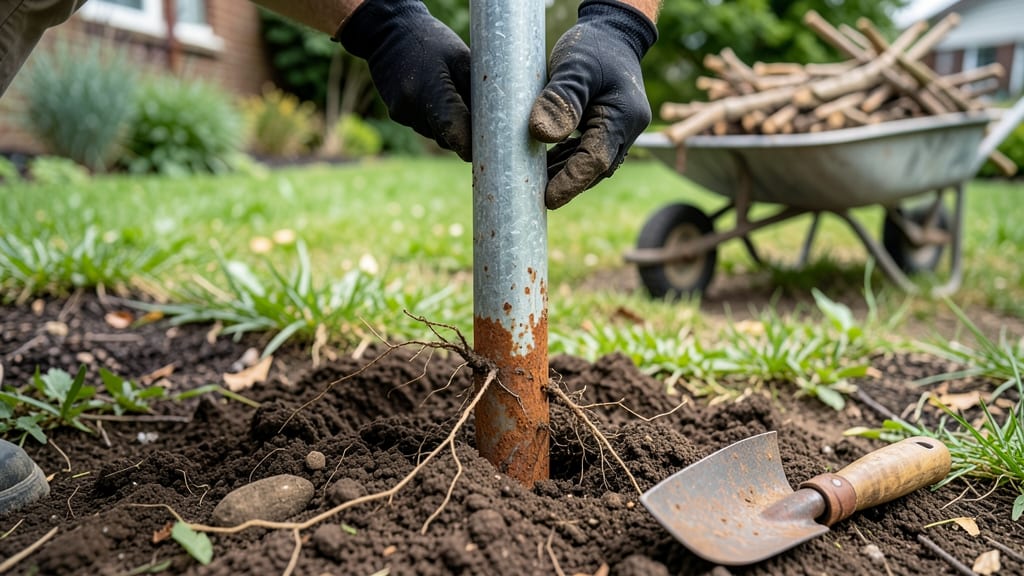
How to remove metal tree stakes from the ground without breaking tools or damaging roots—this is the technique that finally worked for me after years of frustration. 🌱 I’ve wrestled with stubborn stakes that bent pry bars and left jagged edges—until I discovered the right approach that works every time, even on old, corroded stakes.
You’ll need basic tools: a sturdy pry bar (or flathead screwdriver), heavy-duty gloves, and a mallet for stubborn cases. The key is working at a slight angle to break soil adhesion while avoiding root damage.
Lubricating the stake with penetrating oil or even vegetable oil can loosen rusted stakes in minutes.
Start by prying at the top edge to lift the stake slightly, then wiggle it side-to-side while pulling upward. For deep stakes, use a mallet to tap the pry bar at a 45-degree angle—this creates leverage without bending the stake.
Most stakes come out cleanly, but if soil compacts around the base, a quick pass with a shovel around the stake’s perimeter helps.
Once removed, clean stakes with wire brush and oil to prevent rust, or recycle them for future use. The worst mistake? Forcing a bent stake—swap tools if resistance feels too strong.
With this method, you’ll have stakes out in under 10 minutes, roots undisturbed, and no broken tools left behind.
📚 In This Guide
- What you need
- Instructions
- Tips and common mistakes
- Wrapping up and next steps
What you need
- ● Heavy-duty gloves – Thick, cut-resistant gloves (e.g., Mechanix or similar) to protect your hands from sharp edges and rust.
- ○ Metal tree stake extractor – A pry bar or stake puller (preferably with a wide, flat end for leverage). Optional but helpful: A ratchet-style stake puller for stubborn stakes.
- ● Hammer or mallet – A rubber-headed mallet (to avoid damaging stakes) or a heavy-duty hammer for stubborn cases.
- ● Adjustable wrench or vice grips – For tight or bent stakes that need extra grip.
- ● Shovel or digging bar – A flat-headed shovel or garden fork to loosen soil around the stake base.
- ● Rust converter or metal cleaner – WD-40 Specialist Rust Converter or CLR Calcium/Lime/Rust Remover to break down rust before removal.
- ● Rubber mallet or dead-blow hammer – To tap around the stake without damaging it.
- ● Bucket or trash bag – For collecting debris, soil, and removed stakes.
- ● Knee pads – For long sessions on hard ground.
- ● Work boots with steel toes – Extra protection if stakes are deep or sharp.
- ● Lubricant (e.g., silicone spray) – To reduce friction if stakes are stuck in clay soil.
- ● Wire brush or sandpaper – For cleaning rust off stakes post-removal.
- ● Extension pole or long-handled tool – If stakes are deeply buried in hard-to-reach spots.
Step-by-Step guide to removing metal tree stakes safely
Here's how I tackle this task without bending tools or leaving rust stains behind.
🪴 Step 1: Gather the Right Tools for Clean Extraction
Start with a sturdy pair of locking pliers or channel locks—they grip metal better than regular pliers and prevent slipping. A flat-head screwdriver or small pry bar helps loosen stubborn stakes. For deeply buried stakes, a hose with a steady stream softens compacted soil around the metal.
Wear gloves to protect your hands from sharp edges and rust. I always keep a small wire brush handy to clean off rust before it sets in. If you see rust forming on the stake, act fast—once it spreads, removal gets messier.
✂️ Step 2: Loosen the Soil Around the Stake
Use the flat-head screwdriver to gently pry around the stake's base, breaking up compacted soil. Work in small sections—don't force it, or you'll bend the stake or damage nearby roots. A hose stream directed at the base helps wash away loosened dirt, making it easier to grip.
If the stake is buried more than 6 inches deep, dig around it with a trowel or your hands until you can see at least 3 inches of metal. The goal is to expose enough surface so your pliers can get a solid grip without slipping. You'll know you're ready when the stake wobbles slightly when tugged.
💧 Step 3: Apply Leverage to Remove Stubborn Stakes
Position the locking pliers about 2-3 inches above the soil line and tighten firmly. If the stake resists, don't yank—apply steady pressure while rocking the pliers side to side to break the soil's grip. For extra leverage, place one foot against the stake's base and push down as you pull up.
If the stake bends instead of coming out, you're applying too much force. Stop immediately and switch to the pry bar. Slide it between the stake and soil, then twist gently while pulling upward. Rusty stakes often require more patience than strength—take your time to avoid breaking the stake or damaging the tree.
🪴 Step 4: Clean and Store Tools and Stakes
Once removed, scrub the stake with the wire brush to remove dirt and rust. A quick wipe with a damp cloth prevents rust from forming overnight. If you plan to reuse the stake, store it in a dry place with a drop of mineral oil on the metal to slow oxidation.
Clean your tools immediately after use—rust left on pliers or screwdrivers spreads quickly. A rag dipped in mineral oil or WD-40 applied to metal surfaces extends their life. I keep a small bucket nearby to collect removed stakes and soil, making cleanup effortless.
⏰ Step 5: Inspect the Hole and Prepare for Next Steps
After removal, check the hole for any remaining debris or broken stake fragments. Use your fingers or a small tool to clear the area—leaving fragments can hinder future plantings or attract pests. If the hole is deeper than 6 inches, consider backfilling with fresh soil mixed with compost.
For tree planting, this is your chance to improve the hole. Loosen the sides with a trowel and mix in a handful of compost to give roots a nutrient boost. Pat the soil lightly to remove air pockets, then water gently to settle everything. You'll see roots establish faster in well-prepared soil.
Tips & tricks for rust-free metal tree stake removal
Real talk: I've spent way too much time wrestling with bent stakes and rusty tools. These tricks will save you from the same frustration.
Tool Prep is Everything: Before you even touch the stake, give your locking pliers and flat-head screwdriver a quick wipe-down with mineral oil or WD-40. This creates a protective barrier that prevents rust from forming on your tools during the process. I keep a small spray bottle of WD-40 in my toolbox specifically for this purpose—it's the best $5 investment for long-term tool care. The 2-3 inches of exposed metal you'll need to grip in Step 3 will be much easier to handle when your tools are properly prepped.
Soil Softening Secret: In Step 2, don't just rely on the hose stream—work the water into the soil around the stake base with your fingers or a trowel. The goal is to create a muddy consistency that clings to the metal, making it easier for your pliers to grip without slipping. I find that adding a few drops of dish soap to the water helps break down compacted soil even faster. This is especially helpful when dealing with clay-heavy soil that tends to harden around metal.
Leverage Technique: When applying leverage in Step 3, think of your body as part of the tool. Position yourself so your weight is behind the pliers—not just your arms. Place your foot against the stake's base and push down as you pull up, using your body weight to create mechanical advantage. This simple adjustment prevents the stake from bending and makes removal feel like you're using a hydraulic lift instead of brute force. The rocking motion mentioned in the instructions works best when your body is fully engaged in the movement.
Rust Prevention Strategy: After cleaning the stake in Step 4, don't just wipe it dry—apply a thin coat of mineral oil or even vegetable oil to the metal. This creates a protective layer that slows oxidation significantly. For long-term storage, I wrap cleaned stakes in newspaper (the acidic paper helps prevent rust) and store them in a dry plastic bag. This method has kept my stakes usable for years without any rust formation. The wire brush you use should be stored in a dry place too—rust on the brush will transfer to your stakes.
Pro Tips for Remove Metal Tree Stakes From Ground
- Real talk: I've spent way too much time wrestling with bent stakes and rusty tools.
- Tool Prep is Everything: Before you even touch the stake, give your locking pliers and flat-head screwdriver a quick wipe-down with mineral oil or WD-40.
- Soil Softening Secret: In Step 2, don't just rely on the hose stream—work the water into the soil around the stake base with your fingers or a trowel.
Frequently asked questions
Got questions about removing metal tree stakes? You’re not alone!
Here are answers to the most common concerns—from timing to tools and everything in between.
What’s the best tool to use if I don’t have a stake puller?
No stake puller? No problem! A sturdy garden fork or heavy-duty pry bar works great. For stubborn stakes, wrap a bungee cord around the top and pull with leverage. Just avoid wrenches or pliers—they can bend or damage the stake.
When is the best time of year to remove metal tree stakes?
Remove stakes after the growing season (fall or early winter) when soil is softer. Avoid spring—roots may have already bonded to the stake, making removal harder. If you’re replanting, pull stakes before new planting to minimize disruption.
Will removing metal stakes hurt my tree’s roots?
Not if done carefully! Metal stakes shouldn’t grow into roots, but rough removal can cause minor damage. Use a slow, twisting motion and check for tangled roots. If you spot any, gently tease them apart—no need to panic, as trees recover quickly.
Can I reuse metal tree stakes after removal?
Reuse is possible, but inspect for rust or bending first. Clean with a wire brush and coat with rust-proof spray if needed. Avoid reused stakes if they’re warped or corroded—they won’t support plants effectively.
What if the stake breaks off underground?
Don’t stress! Use a hose to loosen soil around the remaining piece, then dig carefully with a trowel. If it’s too deep, leave it—it won’t harm future plants. For cosmetic concerns, cover the area with mulch or plant ground covers.
Still stuck? Drop your question in the comments—we’re happy to help!
Wrapping up and next steps
Removing metal tree stakes doesn’t have to be a rusty, time-consuming chore—with the right tools and techniques, you can tackle the job efficiently and safely. Whether you’re using a pry bar, winch, or even a rust-busting solution, the key is patience and persistence.
Once those stakes are out, you’ll be left with a clean slate for your next gardening project!
Ready to reclaim your space? Grab your gear, follow the steps, and transform that stubborn stake-removal task into a quick win. 🌱✨ Now, why not put that fresh ground to good use? Plant something new—or just enjoy the satisfaction of a job well done!