
Pruning
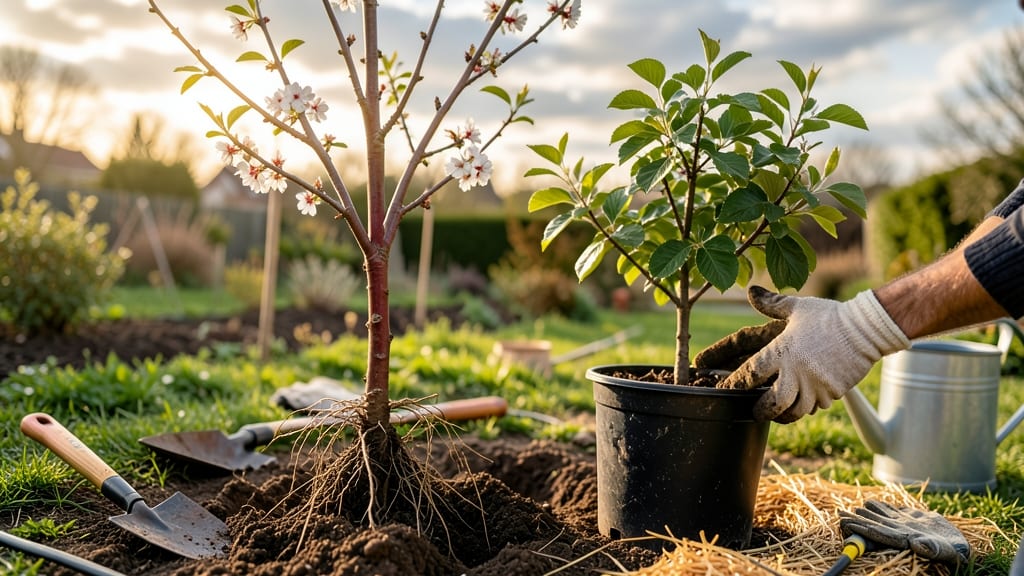
Planting a sour cherry tree means years of tart-sweet harvests if you nail the soil and spacing from day one. 🌱 I’ve learned that the difference between a thriving tree and a struggling one often comes down to what’s happening below ground—especially in the first critical weeks.
The secret isn’t just digging a hole; it’s about layered soil that mimics the tree’s natural habitat. Start with well-draining soil amended with compost, then add a top layer of organic matter to encourage root spread.
Sour cherries need 6-8 hours of sun daily and thrive in zones 3-7, but they’re picky about wet feet—so avoid low spots where water pools. You’ll see new growth within 4-6 weeks if planted correctly, with the first fruit appearing in 3-5 years.
The key is keeping the roots moist but not soggy, and mulching to protect them from temperature swings. Even in cold climates, this method keeps trees productive for decades. For best results, plant two trees (different varieties) for pollination—sour cherries rarely fruit alone.
Here’s how to set it up right from the start.
📚 In This Guide
- What you need
- Instructions
- Tips and common mistakes
- Wrapping up and next steps
What you need
- ○ Ready to plant your sour cherry tree? Here’s everything you’ll need to get started—from essential tools to optional upgrades for a thriving orchard! 🌱✨
- ● Pro tip: 💡 If your soil is heavy clay, mix in 1 part perlite or coarse sand to improve drainage—sour cherry roots hate soggy feet!
Step-by-Step guide for planting a sour cherry tree
Here's how I plant sour cherries—layering soil just right for roots to thrive from day one.
🪴 Step 1: Choose and Prepare the Planting Site
Sour cherries crave full sun—pick a spot with at least 6-8 hours of direct sunlight daily. Avoid low spots where cold air pools in winter. I test drainage by digging a 12-inch deep hole—if water pools after 24 hours, amend the soil with 2-3 inches of coarse sand or plant on a slight mound.
Check soil pH with a test kit—sour cherries prefer 6.0-6.5. If your soil runs acidic, mix in dolomitic lime (follow package rates) 2-3 months before planting. I always mark the planting spot with a stake so I don’t accidentally dig in the wrong place later.
🌱 Step 2: Dig the Perfect Hole and Amend the Soil
Dig a hole twice as wide as the root ball but only as deep—the top of the root ball should sit 2 inches above grade to prevent waterlogging. I loosen the sides with a shovel to encourage roots to spread outward. For the first of four trees, I mix 2 gallons of compost into the native soil removed from the hole.
Here’s the soil secret: create a 1-inch layer of coarse sand at the bottom for drainage, then fill the hole with a 50/50 mix of native soil and compost. This layered approach prevents root rot while giving young roots nutrients to establish quickly. Tap the soil lightly to remove air pockets but don’t compact it.
💧 Step 3: Plant and Water Deeply for Immediate Stability
Gently remove the sour cherry from its container and loosen any circling roots with your fingers. Place it in the hole so the root flare (where roots meet trunk) sits 2 inches above ground level. Fill the hole with the amended soil mix, pressing lightly as you go—you’ll see roots settle naturally.
Water deeply (about 10 gallons) immediately after planting. The soil should sink 1-2 inches—this tells me the roots have settled. Mulch with 3 inches of wood chips, keeping mulch 6 inches away from the trunk to prevent rot. Water again in 3-5 days to encourage root growth into the surrounding soil.
☀️ Step 4: Stake and Protect for the First Critical Season
Sour cherries need support in their first year. Install two stakes on opposite sides of the tree, 6 inches from the trunk, and tie the main stem to them with soft tree ties (not wire). The goal is to let the tree sway slightly in wind—this builds strength—but prevent toppling.
Wrap the trunk with tree guard (not plastic wrap) to deter rodents and sunscald. I also install a protection cage (made from hardware cloth) around young trees in deer country—rabbits and deer will strip bark in winter. Water once weekly during dry spells, aiming for 1-2 inches of water per week total.
⏰ Step 5: Monitor and Adjust for Long-Term Health
Check soil moisture weekly by sticking your finger 2 inches deep—water when it feels dry. Fertilize in early spring with 10-10-10 fertilizer (follow package rates) and again in early summer with low-nitrogen fertilizer to promote fruiting. Prune dead or crossing branches in late winter, but avoid heavy pruning—sour cherries produce best with minimal intervention.
Watch for yellowing leaves—this usually means iron deficiency. If you see it, spray with chelated iron and check pH again. By year three, your trees should be established enough to handle normal care. The layered soil approach I use ensures roots have both drainage and nutrients, setting up your cherries for decades of harvests.
Tips & tricks for perfect sour cherry tree planting
Planting sour cherries is all about setting roots up for success—here's how to avoid common mistakes and maximize your tree's potential.
Sunlight Strategy: While 6-8 hours of sunlight is ideal, I've found that morning sun (east-facing) is especially beneficial for sour cherries. The cooler morning light helps prevent leaf scorch that can occur with intense afternoon sun. If planting in a partially shaded area, choose the sunniest spot available—even an extra hour of light makes a difference in fruit production.
Drainage Test: That 24-hour water test in Step 1 is crucial—don't skip it! I've seen too many new planters assume their soil drains well only to have trees drown in winter. For clay-heavy soils, consider building a raised bed instead of amending with sand. The goal is to mimic the well-drained conditions cherries thrive in naturally.
Soil Layering: The 50/50 soil-compost mix in Step 2 creates the perfect balance between native nutrients and organic matter. Pro tip: If your native soil is sandy, increase compost to 60% for better moisture retention. For clay soils, reduce compost to 40% to prevent compaction. The key is observing how water moves through your specific soil type.
Watering Wisdom: Those 10 gallons of water in Step 3 should soak down to about 12 inches deep. I check this by inserting a metal rod—if it comes out dry, water again. The 3-5 day follow-up watering is just as important as the initial soaking. Think of it as giving your tree's roots their first drink from a deep well.
Pro Tips for Sour Cherry Tree Planting
- Planting sour cherries is all about setting roots up for success—here's how to avoid common mistakes and maximize your tree's potential.
- Sunlight Strategy: While 6-8 hours of sunlight is ideal, I've found that morning sun (east-facing) is especially beneficial for sour cherries.
- Drainage Test: That 24-hour water test in Step 1 is crucial—don't skip it!
Frequently asked questions
Got questions about planting your sour cherry tree? You’re not alone—here are answers to the most common ones to help you grow with confidence! Whether you're a first-timer or a seasoned gardener, these FAQs cover the basics and beyond.
When is the best time to plant a sour cherry tree?
The ideal time is early spring (just before buds swell) or fall (6-8 weeks before frost). Planting in spring gives roots time to establish before summer heat, while fall planting allows roots to grow in cool soil. Avoid planting in extreme heat or freezing temperatures.
How far apart should I space sour cherry trees?
Space trees 20-25 feet apart for dwarf varieties and 30-40 feet for standard trees. This ensures proper airflow, reduces disease risk, and allows branches to grow without crowding. If space is limited, consider columnar varieties (10-15 feet apart).
Can I plant a sour cherry tree in a container?
While possible, sour cherry trees thrive best in ground planting due to their deep root systems. If container-grown, use a large pot (at least 20 gallons) with well-draining soil and plan to transplant outdoors within 1-2 years. Containers limit root growth and fruit production.
What pests or diseases should I watch for?
Common issues include:
- Cherry fruit flies – Use netting to protect ripening fruit.
- Brown rot fungus – Prune infected branches and apply fungicide in spring.
- Aphids or spider mites – Spray with water or insecticidal soap.
- Canker disease – Remove infected bark and sterilize pruning tools.
How long until my sour cherry tree bears fruit?
Patience is key! Dwarf varieties may fruit in 3-5 years, while standard trees take 5-7 years. Ensure proper pollination (plant two compatible varieties nearby) and provide consistent care—soil health, water, and sunlight all play a role in hastening fruit production.
Wrapping up and next steps
Planting a sour cherry tree is a rewarding journey that blends patience with the joy of nurturing life—literally from the ground up! 🌱 By mastering layered soil secrets and understanding your tree’s needs, you’re setting the stage for years of vibrant blooms, delicious fruit, and a thriving landscape.
Whether you’re a seasoned gardener or a curious beginner, every shovel of soil brings you closer to success.
Now that you’re armed with the know-how, take the next step: mark your calendar for planting season, gather your tools, and dig in! Watching your sour cherry tree grow into a flourishing centerpiece will make every effort worthwhile—so go ahead, get your hands dirty and enjoy the process.
Happy planting! 🌿