
Plants
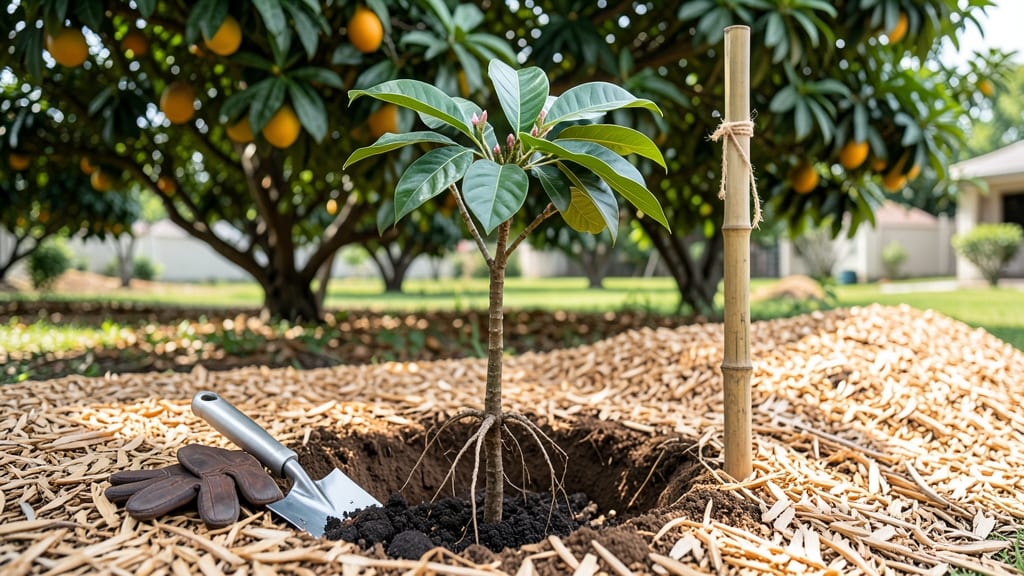
To plant a mango tree 🥭 in ground at the right time means the difference between a thriving orchard and a sad, stunted sapling that never bears fruit.
Planting a mango tree at the wrong time can mean years of waiting for fruit—or worse, losing your young sapling to harsh weather. Timing is everything for a thriving mango tree, and the best planting window depends on your climate zone.
In frost-free tropical regions like Florida or Hawaii, you can plant your mango tree year-round, but in marginal zones like Phoenix or southern California, late winter or early spring is your best bet—after the last frost risk has passed.
Below, I break down the ideal planting months for your USDA zone, how to adjust for local weather quirks, and the key signs your mango tree is ready to leave its container for good.
Best planting months for mango trees by USDA climate zones
Mango trees thrive in warm climates, but the best time to plant them in the ground depends on your USDA hardiness zone. In frost-free zones (10-12), you can plant year-round, but timing matters most in subtropical (9-10) and marginal temperate zones (8-9) where frost threatens young roots.
For gardeners in Zone 10 and above, like Hawaii or Southern Florida, your planting window is essentially open. However, even in these areas, aligning planting with the start of the rainy season ensures better root establishment and faster growth.
In Zones 9-10, such as Southern California or Arizona, aim for late winter to early spring (February-March). This gives your mango tree time to establish roots before the summer heat peaks, reducing transplant shock.
Gardeners in Zone 8 or cooler face the biggest challenge. Here, planting should occur after the last frost date, typically April-May, using microclimates or containers for added protection during cold snaps.
🌱
In Zones 10-12, where frost is nonexistent, the best time to plant is during the wet season. For example, in Hawaii, planting in May-June aligns with natural rainfall, reducing the need for supplemental irrigation during root establishment.
For Zones 9-10, like Southern California or Phoenix, February-March planting gives your mango tree a head start before the summer monsoon season begins. This timing also avoids the winter chill that can stress young roots.
If you're in Zone 8 or cooler, such as parts of Southern Texas or the coastal Carolinas, planting in April-May ensures you've passed the last frost date. Use mulch and windbreaks to protect young trees from unexpected cold snaps.
Always check your local last frost date and plant at least 2-3 weeks after to give your mango tree time to acclimate. In marginal zones, consider container growing for the first year to provide flexibility if frost threatens.
🌿
How to adjust planting timing for your local weather patterns
Your local weather patterns can shift your mango tree planting window by weeks—or even months. For example, in humid subtropical zones like Miami (Zone 10b), you can plant year-round, but in Zone 9b microclimates like Phoenix, timing must avoid the rare January frost risk.
The key is monitoring rainfall trends, humidity spikes, and temperature fluctuations before committing to a date.
Start by checking your 30-day forecast for consistent warmth (above 60°F/15°C) and low rainfall (under 2 inches/week). Mango roots hate soggy soil, so avoid planting during monsoon season in Arizona or hurricane season in Florida. Even a single heavy rain after planting can suffocate young roots.
🌱 Adjust Your Planting Timing Based On:
- 🌡️ Soil Temperature: Wait until 65°F+/18°C+ at 6-inch depth—use a soil thermometer to confirm.
- 🌧️ Rainfall Forecast: Schedule planting 2 weeks before your region’s dry season (e.g., April in Texas, June in Hawaii).
- 🌬️ Humidity Levels: Aim for 40-60% humidity—high humidity (70%+) increases fungal diseases like anthracnose.
- ❄️ Frost Risk: In Zone 9b, plant after March 15 to avoid late frosts (e.g., 2021’s Phoenix frost killed unprotected saplings).
- ☀️ Sunlight Hours: Ensure 6+ hours of direct sun daily—mangoes won’t tolerate shade after transplanting.
If your local weather throws a curveball—like an unexpected early frost—act fast. Cover young trees with frost cloth or move potted saplings to a sheltered spot (e.g., against a south-facing wall).
In Zone 9b, I’ve seen mango trees survive 28°F/-2°C with protection, but below 25°F/-4°C will kill even mature trees.
For humid climates, like South Florida, plant during the dry winter months (December-February) to reduce fungal pressure. In arid zones like Southern California, wait until spring rains (March-April) to give roots a moisture head start.
Always water deeply after planting to settle soil and eliminate air pockets around roots.
Pro tip: Use a weather app like Weather Underground to track historical frost dates and rainfall patterns in your area. For example, Los Angeles (Zone 10a) has a 10% frost risk in January, while Tucson (Zone 9a) sees freezing temps 20% of Decembers.
Adjust your planting window accordingly—patience pays off with healthier trees and better fruit yields.
Remember, mango trees are tropical at heart—give them the warmth and stability they crave, and they’ll reward you with juicy fruit for decades. Start with the right timing, and your sapling will thrive instead of struggle. 🌳