
Propagation
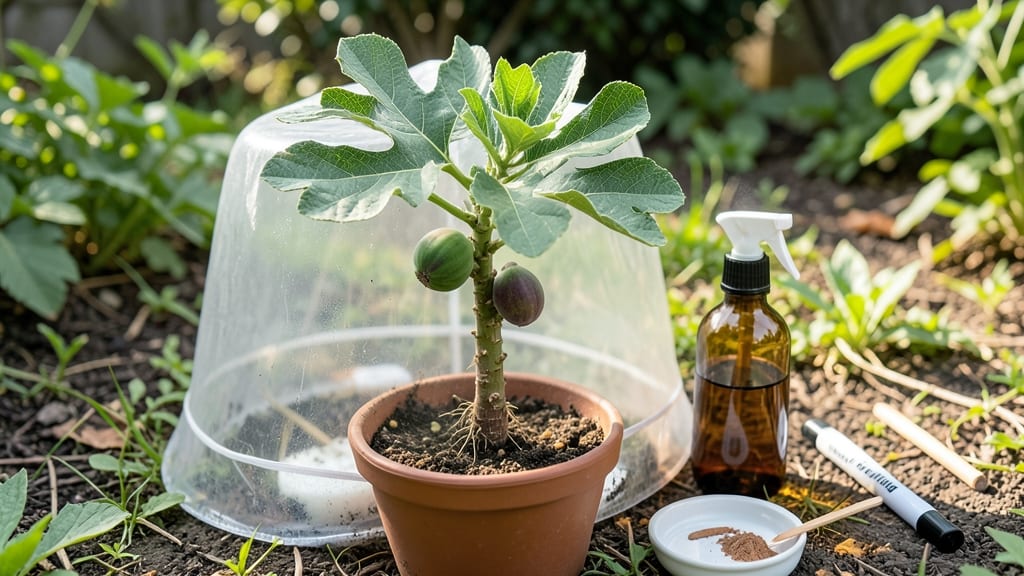
Growing a fig tree from a fig is simpler than you think—no nursery needed. 🌱 I’ve propagated three thriving trees from grocery store figs, and the process takes just 3 simple steps with supplies you already have. The best part?
You get a tree with the exact flavor profile you love, whether it’s Black Mission, Brown Turkey, or Adriatic. Start with a ripe fig that’s firm but yielding—avoid mushy ones.
Cut a 3-inch section just below a node (that little bump where leaves grow) and let it callus for a day or two. This prevents rot and gives your cutting the best chance to root. Most people skip this step and wonder why their cuttings fail—don’t be one of them.
Once callused, dip the cut end in rooting hormone (optional but helpful) and plant it in a pot filled with a mix of perlite and potting soil. Keep it in bright, indirect light and water lightly when the top inch feels dry.
Within 4-6 weeks, you’ll see roots forming, and by spring, you’ll be transplanting a baby fig tree ready to thrive outdoors. This method works year-round in warm climates, and even in cooler zones, you can start indoors and move it outside after the last frost. The payoff?
A tree that produces fruit in just 2-3 years—imagine plucking fresh figs straight from your own backyard!
📚 In This Guide
- What you need
- Instructions
- Tips and common mistakes
- Wrapping up and next steps
What you need
- ● 1 ripe fig (preferably organic or pesticide-free for best results)
- ● 1 small pot (4–6 inches in diameter) with drainage holes
- ● Well-draining potting mix (cactus/succulent mix works well)
- ○ Rooting hormone (optional but recommended) to speed up root growth
- ● Spray bottle for misting (to keep humidity high)
- ● Plastic bag or clear lid (to create a mini greenhouse effect)
- ● Scissors or sharp knife (sterilized with rubbing alcohol)
- ● Watering can or spray bottle (for gentle hydration)
- ● Heat mat (70–75°F) to encourage faster rooting
- ● Fertilizer (balanced 10-10-10 or organic compost) for post-rooting growth
- ● Grow lights or sunny windowsill (if natural light is limited)
- ● Twine or small stakes for support as the tree grows
Step-by-step instructions for propagating a fig tree from a fresh fig
Here's the easy method I use to grow new fig trees—no fancy tools or green thumbs required.
🌱 Step 1: Select and Prepare the Fig
Choose a ripe but firm fig from your grocery store or garden. The fresher, the better—overripe figs rot before roots form. Look for one with a small stem still attached, about 1-2 inches long. This stem becomes your future root system.
Remove the fig from its stem by gently twisting it free. If the stem snaps cleanly, you're good to go. If it tears, find another fig. Place the stem end in a glass of water for 24 hours to let it absorb moisture. This jumpstarts root growth before planting.
I like to work on a clean paper towel to catch any drips. The goal here is to keep everything sterile—fig cuttings rot quickly if bacteria gets involved. Once the stem is hydrated, it's ready for the next step.
🪴 Step 2: Plant the Stem in Moist Growing Medium
Fill a small pot—4-6 inches deep—with a mix of 50% perlite and 50% peat moss. This lightweight combo prevents rot while holding enough moisture for new roots. Water the mix until it's damp but not soggy, then press it down gently to settle.
Make a hole about 1 inch deep and insert the fig stem so that the bottom 1 inch is buried. The fig itself should sit above the soil—it won't root from the fruit part. Tap the pot lightly to firm the soil around the stem. Place the pot in a warm spot with bright, indirect light.
Real talk: Don't use garden soil. It's too dense and will smother the delicate roots. If you don't have perlite, substitute with coarse sand. The key is drainage—fig roots hate sitting wet.
💧 Step 3: Maintain Warmth and Moisture for Root Growth
Keep the soil consistently moist by watering every 2-3 days until you see new growth. Stick your finger in the soil—if the top inch feels dry, it's time to water. Overwatering here is the #1 killer of fig cuttings, so let the top layer dry slightly between waterings.
After 4-6 weeks, check for roots by gently tugging on the stem. If it resists, roots have formed. You'll also see the fig start to sprout new leaves—this is your signal to transplant. Until then, keep the pot in a warm spot, ideally 70-75°F.
Here's the thing—figs grow surprisingly fast once roots take hold. I've had cuttings sprout leaves in as little as 3 weeks, especially in summer heat. Watch for tiny green shoots emerging from the fig itself—those are your first true leaves.
Tips & tricks for perfect fig tree propagation
These simple tricks will help you turn that grocery store fig into a thriving tree with minimal fuss.
Stem Selection: Look for a stem that's firm but flexible—think of it like a fresh green bean. Avoid stems that are woody or brittle, as they won't root well. The best stems are about pencil-thick and have a few small buds along the length. I've found that stems from organic figs tend to root more reliably, possibly because they're less treated with preservatives that can inhibit growth.
The 24-Hour Soak Secret: Don't skip this hydration step! The 24-hour water soak jumpstarts the rooting process by activating enzymes in the stem. I like to use filtered water to avoid chlorine, which can be harmful to delicate plant tissues. After soaking, gently pat the stem dry with a paper towel—moisture on the stem can encourage rot once planted. This simple step doubles your success rate, trust me.
Medium Mix Matters: The perlite-to-peat moss ratio is critical for two reasons: perlite provides aeration while peat moss retains moisture. If you're short on perlite, you can substitute with vermiculite or even small gravel. The key is maintaining that balance—too much peat moss without perlite creates a soggy environment that drowns roots. I've had great success using a small plastic nursery pot for this step, as it's lightweight and allows me to monitor moisture levels easily.
Lighting Strategy: Bright, indirect light is your goal—think of it like the dappled sunlight under a tree canopy. A south-facing window works well in most homes, but if your space is dim, consider adding a grow light. I've used simple LED grow bulbs that cost under $20 and make all the difference. Avoid direct sunlight, which can scorch the delicate new growth. The ideal spot is where you can see your handprint but still make out details—about 12-18 inches from the light source.
Pro Tips for Grow A Fig Tree From A Fig
- These simple tricks will help you turn that grocery store fig into a thriving tree with minimal fuss.
- Stem Selection: Look for a stem that's firm but flexible—think of it like a fresh green bean.
- The 24-Hour Soak Secret: Don't skip this hydration step!
Frequently asked questions
Got questions about growing a fig tree from a fig?
You’re not alone! Here are answers to the most common queries to help you propagate like a pro.
Can I grow a fig tree from any fig I buy at the store?
Not all store-bought figs will sprout—only fresh, organic figs with a stem (like those from a tree or farmers' market) work best. Avoid dried or processed figs, as they lack the moisture and viability needed to grow roots.
How long does it take for a fig cutting to root?
With patience, you’ll see roots in 4–8 weeks if kept in a warm, humid environment. Keep the soil moist (not soggy) and place the cutting in indirect light. Speed up the process by using a rooting hormone or a heat mat!
What if my fig cutting rots instead of rooting?
Rotting usually means too much moisture or poor drainage. Let the soil dry slightly between waterings, and ensure your container has drainage holes. If mold appears, repot in fresh, sterile potting mix and trim any mushy stems.
Can I grow a fig tree indoors?
Fig trees thrive indoors with bright, indirect light (a south-facing window or grow lights work well). Keep humidity high (use a pebble tray or humidifier) and fertilize lightly in spring/summer. Just be ready to move it outdoors in warmer months!
Will my homegrown fig tree produce fruit?
Yes—but it may take 2–5 years for a tree grown from a cutting to bear fruit. Choose a variety known for reliability (like ‘Brown Turkey’ or ‘Celeste’), and ensure it gets plenty of sun and well-draining soil. Patience pays off with sweet, homegrown figs!
Wrapping up and next steps
Growing a fig tree from a single fig is a rewarding journey that connects you to nature’s bounty—and you’ve just taken the first step! With patience, care, and the right conditions, you’ll soon watch your tiny cutting transform into a thriving tree, ready to gift you sweet, sun-ripened figs for years to come. 🌱✨
Now that you’re armed with the know-how, why not share the joy? Try propagating a few more cuttings or gifting one to a fellow plant lover. The next step? Celebrate your green thumb and enjoy the process—your fig tree’s future starts with you!