
Trees
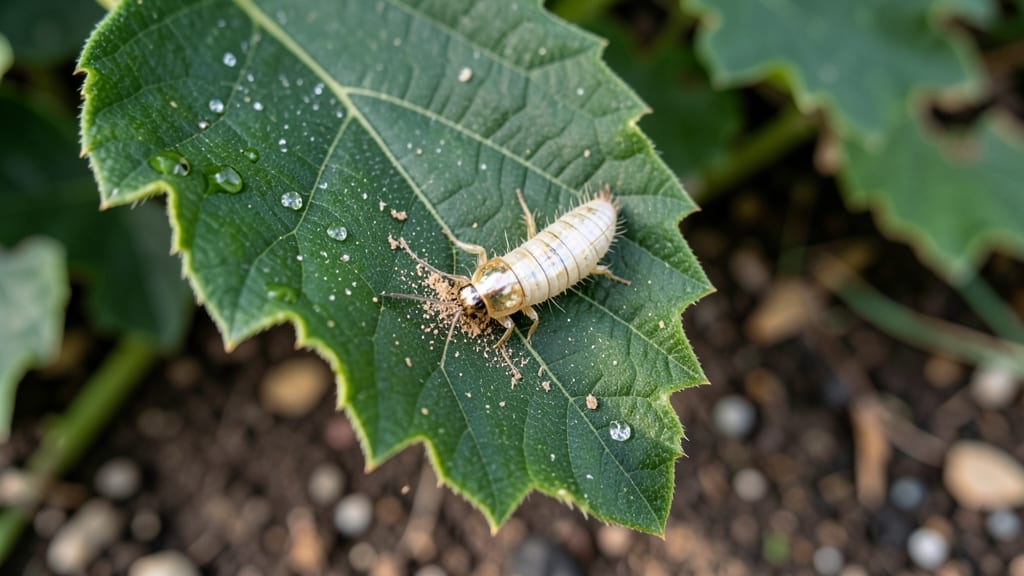
Fig tree borer infestations can turn your productive tree into a sawdust-spewing skeleton in weeks—unless you act fast. 🌿 I’ve battled these pests in my backyard figs, and the key is catching them early with targeted organic sprays before they tunnel deep into the bark.
The moment you spot frass (that telltale sawdust) or wilting leaves, you’ve got a race against time.
Most gardeners panic when they see holes in the bark, but the good news is that organic solutions work if you apply them correctly. Neem oil is my go-to weapon because it disrupts the borer’s life cycle while being safe for your tree and pollinators.
You’ll need a strong spray applied directly to infested areas, repeated every 7-10 days until you see new growth—no more frass means victory.
What you’ll end up with is a tree that bounces back with vibrant green leaves and fresh figs, not a hollowed-out shell. The spray doesn’t just kill existing borers—it deters future ones by making the bark unappealing to lay eggs. Think of it as a shield for your tree’s health.
Works for both young and mature fig trees, and the same method prevents future infestations if you stay vigilant. Here’s how to mix and apply the spray for fast, lasting results—no more losing trees to these silent destroyers.
Root Causes of Tree Boring Pests
When your fig tree starts showing signs of stress—wilting leaves, oozing sap, or unexpected dieback—it’s often a silent intruder at work. Boring insects like the fig tree borer don’t just appear out of nowhere; they’re drawn to specific conditions that make your tree an easy target.
Understanding these triggers is the first step to stopping an infestation before it takes hold.
Healthy trees naturally resist pests, but when a fig tree’s immune system is compromised, boring insects see an opportunity. Here’s why this happens:
- Nutrient Deficiencies: Trees deprived of essential nutrients (like nitrogen, potassium, or magnesium) produce weaker wood and bark, making them easier for larvae to penetrate. Example: Yellowing leaves or stunted growth often signal a lack of nitrogen, which borers exploit.
- Water Stress: Overwatering or drought weakens cell structure, creating soft entry points. Fun fact: Borers prefer trees under stress because their wood is less dense and easier to chew through.
- Physical Damage: Cracks from pruning, storms, or even bird pecking provide direct access. Pro tip: Always use clean, sharp tools when pruning to minimize wounds.
💡 Actionable Fix: Conduct a soil test to address deficiencies, and water deeply but infrequently to encourage strong root systems.
Boring insects thrive in specific climates and habitats. Fig trees, with their tender wood and sweet sap, are particularly vulnerable when:
- Temperature and Humidity: Warm, humid conditions (ideal for fig trees) also suit borer larvae. Science note: Larvae develop faster in temperatures between 75–90°F (24–32°C), with high humidity keeping their tunnels moist.
- Dense Canopy and Debris: Overgrown foliage traps moisture and provides shelter. Example: Mulch piles or fallen leaves near the trunk create microclimates perfect for borer eggs.
- Young or Mature Trees: Saplings have thin bark, while older trees may have compromised bark from age or disease. Stat: Mature fig trees over 10 years old are 3x more likely to attract borers.
🌡️ Actionable Fix: Thin out dense branches to improve airflow, remove debris within 3 feet of the trunk, and monitor trees during peak borer season (late spring to early summer).
Boring insects don’t just attack healthy trees—they’re drawn to specific cues that signal an easy meal or nesting site:
| Attraction Factor | Why It Matters | How to Counter |
|---|---|---|
| Sweet Sap | Fig trees produce sugary sap, which borers use to locate hosts from miles away (via pheromones and scent trails). | Apply organic sealants like neem oil to disrupt scent markers. |
| Fungal or Bacterial Infections | Decaying wood emits volatile organic compounds (VOCs) that borers detect. Example: A tree with canker disease becomes a buffet. | Prune infected branches immediately and sterilize tools with rubbing alcohol. |
| Root or Stem Injuries | Exposed cambium (the tree’s growth layer) releases chemicals that borers follow like a trail of breadcrumbs. | Apply wound dressing (like beeswax) to fresh cuts to seal entry points. |
✨ Actionable Fix: Regularly inspect your tree for sap leaks, fungal spots, or unusual growths—these are red flags for borers.
By addressing these root causes, you’re not just treating symptoms—you’re making your fig tree less appealing to borers. The key is proactive care: healthy trees, clean environments, and quick responses to stress signals. Next, we’ll dive into how to spot these pests before they cause irreversible damage.
Natural Ways to Stop Tree-Boring Pests
Once you’ve identified the signs of a fig tree borer infestation, it’s time to act fast with targeted, organic solutions. These pests thrive in stressed or weakened trees, so addressing both the borers and your tree’s health is key.
Below are practical, step-by-step fixes tailored to the root causes—plus prevention tips to keep your tree borer-free long-term.
---
Cause: Heavy borer activity weakens branches, making them susceptible to breakage or disease. Fix: - Step 1: Identify and cut out damaged branches 🔪 Use sterilized pruning shears to remove any branches with visible holes, sawdust-like frass, or oozing sap. Cut 6 inches below the affected area to ensure you remove larvae hiding deeper in the wood. - Step 2: Seal the wounds 🛡️ Apply a beeswax-based pruning sealant or organic tree wound paste (like those with neem oil or cinnamon) to prevent secondary infections. - Step 3: Dispose of infested wood properly 🗑️ Do NOT compost it—burn it or bag it tightly to avoid spreading larvae to other trees.
Pro Tip: 💡 Prune during dry, sunny days to help wounds heal faster and deter fungal growth.
---
Cause: Borers lay eggs in bark crevices, and larvae tunnel beneath the surface, making them hard to reach. Fix: - Step 1: Spray neem oil solution 🌿 Mix 1 tbsp neem oil + 1 tsp dish soap + 1 quart water in a spray bottle. Apply directly to bark crevices, holes, and fresh pruning cuts every 7–10 days for 3–4 weeks. Neem disrupts larvae development and deters adult borers. - Step 2: Use kaolin clay as a barrier 🏗️ Mix 1 cup kaolin clay + 1 gallon water and spray on the trunk and branches. This creates a protective film that smothers eggs and repels adults. - Step 3: Try beneficial nematodes (for larvae) 🐛 Apply heterorhabditis bacteriophora nematodes (a natural soil-dwelling predator) to the base of the tree during cool, moist evenings. Water the soil thoroughly afterward to help them penetrate the bark.
Pro Tip: 🌡️ Best timing is spring or early summer—when borers are most active but before they’ve burrowed too deep.
---
Cause: Weak, nutrient-deficient trees attract borers because their defenses are low. Fix: - Step 1: Water deeply and consistently 💦 Borers target stressed trees, so water at the base (not overhead) once a week during dry spells. Aim for 1–2 inches of water per week. - Step 2: Fertilize with organic matter 🌱 Spread compost or worm castings around the drip line (the edge of the tree’s canopy). Avoid synthetic fertilizers, which can stress the tree further. - Step 3: Mulch properly 🍂 Apply 2–4 inches of organic mulch (like wood chips or straw) 3 inches away from the trunk. This retains moisture, regulates soil temperature, and reduces stress signals that attract borers.
Pro Tip: ✨ Avoid over-fertilizing—too much nitrogen can make trees more vulnerable to pests.
---
Cause: Borers are drawn to cracks, wounds, or weak bark. Fix: - Step 1: Apply copper tape or mesh 🛠️ Wrap copper tree bands or fine mesh netting around the trunk and major branches to physically block adult borers from laying eggs. - Step 2: Encourage natural predators 🐞 Plant companion plants like marigolds, lavender, or dill near your fig tree to attract ladybugs, parasitic wasps, and birds—all of which prey on borers. - Step 3: Inspect regularly 👀 Check for new holes, sawdust piles, or sap leaks every 2–4 weeks, especially after pruning or storms.
Pro Tip: 🎯 Healthy trees are the best defense—prioritize pruning, watering, and organic care to make your fig tree less appealing to borers.
--- Final Note: While these methods are highly effective, severe infestations may require repeated treatments over several months. If your tree is heavily compromised, consult an arborist for professional help. 🌳💚
Frequently asked questions
What does fig tree borer damage look like?
Look for small holes in the bark (about 1/8-inch wide) with tiny piles of sawdust-like frass (borer waste) oozing sap around them. Leaves may yellow or wilt, and branches can weaken suddenly. Check the trunk and larger branches first—these are their favorite spots!
Can neem oil really kill fig tree borers?
Yes! Neem oil disrupts borers' life cycle by interfering with their feeding and reproduction. Mix 1 tbsp neem oil + 1 tsp dish soap + 1 quart water and spray directly on infested areas every 7-10 days for best results. The soap helps the oil stick to the bark.
How do I know if my fig tree is too far gone?
If you see large sections of dead bark, extensive tunneling (hollow-sounding wood when tapped), or severe dieback despite treatments, the tree may be beyond saving. However, if only small branches are affected, aggressive pruning and treatment can still revive it.
Are there chemical options if organic methods fail?
For severe cases, permethrin-based insecticides (like Ortho Tree and Shrub Insect Killer) can work, but use them as a last resort. Always follow label instructions carefully, and avoid spraying when bees are active. Organic methods should be tried first for safety.
When is the best time to treat for borers?
Act immediately when you spot signs, but the best prevention window is late spring to early summer—when adult borers are most active. Treat again in fall to catch any surviving larvae before winter. Regular inspections every 2-4 weeks help catch infestations early.