
Pruning
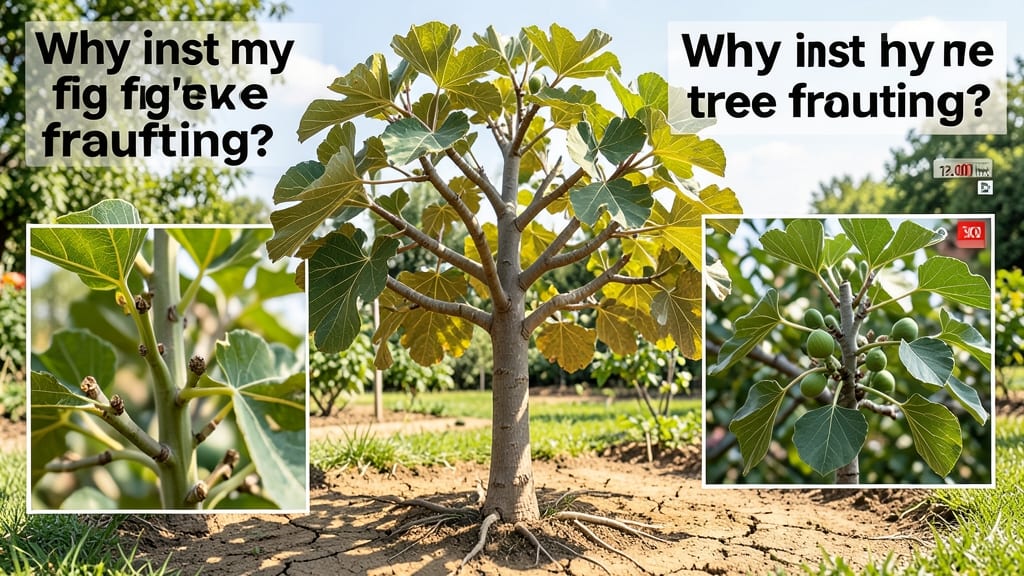
A fig tree not fruiting can feel like a cruel joke after all that care. 🌿 I’ve watched my own figs bloom and then wither—only to learn it wasn’t neglect, but a mix of pruning mistakes, light issues, and hidden nutrient needs.
Fig trees are forgiving, but they do need the right conditions to reward you with sweet harvests.
The most common culprits? Over-pruning (which removes next year’s fruit buds), too much shade, or not enough water during critical growth months. My tree finally fruited after I stopped heavy-handed pruning and moved it to a sunnier spot.
Even soil pH matters—figs prefer slightly alkaline soil (6.0-7.0), and mine was too acidic.
With the right fixes, you’ll see figs forming within 6-8 weeks of adjusting care. Start by checking your pruning habits—figs fruit on new wood, so aggressive cuts can wipe out potential harvests.
A simple adjustment to watering (deep soaks once a week) and a balanced fertilizer can make all the difference.
Works for both container and in-ground figs, and the fixes apply to all varieties—from Chicago Hardy to Brown Turkey. Let’s troubleshoot step by step so you’re not left with just leaves by summer.
Root Causes of Barren Figs
If your fig tree is putting out leaves but skipping the fruit, don’t panic—there’s almost always a fix. The first step is identifying why it’s not bearing fruit. Below, we break down the most common reasons, from environmental factors to biological quirks, with clear explanations and actionable insights.
Figs are notorious for playing the long game. Some varieties, like Ficus carica (common figs), take 2–5 years to mature enough to fruit—especially if grown from seed. Grafted trees (common in nurseries) may fruit faster, but even they need patience.
💡 Pro Tip: Check your tree’s age and variety. If it’s young, provide optimal care (sun, water, soil) and give it time. If it’s older but still bare, it might be a non-fruiting ornamental variety (like Ficus lyrata, the fiddle-leaf fig—not a true fig tree!).
Figs are sun-worshippers. They need 6–8+ hours of direct sunlight daily to produce fruit. Too little light = no energy for fig development. Additionally, figs are tropical/subtropical plants—they thrive in USDA Zones 7–10 and struggle in extreme cold (<32°F/0°C) or heat waves (>100°F/38°C).
🌡️ Key Signs:
- Leaves are pale or sparse
- New growth is weak or leggy
- Figs drop before ripening (heat stress)
🔥 Fix: Move potted figs to sunnier spots or use frost cloth in cold climates. In hot zones, provide afternoon shade to prevent heat shock.
Figs are drought-tolerant but hate soggy roots. Overwatering leads to root rot, while underwatering stresses the tree and halts fruit production. The ideal soil moisture is consistently damp but not waterlogged.
📊 Watering Rules:
Issue
Signs
Solution
Underwatering
Wilting, crispy leaf edges, small or no figs
Water deeply 1–2x/week (more in heat); mulch to retain moisture
Overwatering
Yellow leaves, mushy stems, fungal growth
Let soil dry 1–2 inches between waterings; improve drainage
✨ Bonus: Figs love well-draining soil. Amend clay soil with compost or sand to prevent waterlogging.
Figs are heavy feeders and need balanced nutrients, especially phosphorus (P) and potassium (K), which fuel fruit development. A soil pH of 6.0–7.0 is ideal—too acidic (<5.5) or alkaline (>7.5) locks out nutrients.
💪 Nutrient Deficiencies:
- Nitrogen (N) deficiency: Yellow lower leaves (fix with balanced fertilizer)
- Potassium (K) deficiency: Weak stems, poor fruit set (use banana peel tea or potash)
- Calcium/Magnesium: Leaf edges curl or yellow (add lime or Epsom salt)
🔍 Test Your Soil: Use a DIY soil test kit or send a sample to a lab. Adjust pH with sulfur (to lower) or lime (to raise).
Contrary to myth, most common figs (Ficus carica) are self-pollinating—but they still need fig wasps (Blastophaga psenes) to trigger fruit development. Without them, you’ll see aborted figs (small, hard, and seedless) or no fruit at all.
🐝 Why This Happens:
- No wasps in your area (common in urban/suburban gardens)
- Wasps are blocked by netting or pesticides
- Figs are planted too far from wild figs (wasps need host trees)
🎯 Solutions:
- Hand-pollinate: Use a cotton swab to transfer pollen from one fig to another (best in early morning).
- Plant a second fig variety nearby to attract wasps.
- Avoid pesticides that kill beneficial insects.
💡 Note: Some modern varieties (like ‘Celeste’ or ‘Brown Turkey’) are bred to be wasp-independent—check your tree’s tags!
Figs fruit on new wood (current year’s growth) and old wood (last year’s branches). If you over-prune in winter (when the tree is dormant), you risk removing next year’s fruit-bearing branches. Conversely, no pruning leads to a tangled mess with poor airflow (inviting disease).
⏰ Pruning Mistakes:
- Cutting back too hard in late winter/early spring (removes potential fruit buds)
- Pruning at the wrong time (best: late winter for shaping, summer for cleanup)
- Leaving dead/diseased wood (stresses the tree)
🔪 Fix: Prune lightly in late winter (remove only dead/damaged branches) and again in summer to encourage new growth. Never cut more than 20–30% of the canopy at once.
Fungal infections (like root rot or anthracnose) and pests (e.g., fig beetles, scale insects) sap a tree’s energy, leaving it too weak to fruit. Look for:
- Sticky sap (aphids/scale)
- Black spots on leaves (fungus)
- Holes in figs (borers or birds)
- Wilting despite proper watering (root rot)
🛡️ Prevent/Treat:
- Use neem oil or insecticidal soap for pests.
- Apply copper fungicide if you see mold.
- Improve airflow by pruning dense branches.
- Remove infected fruit/leaves immediately.
Revitalize Your Fig Tree’s Fruitfulness
Now that you know why your fig tree might be playing hard to bear fruit, let’s roll up our sleeves and get it back on track! Below are practical, step-by-step solutions tailored to the most common causes—plus tips to keep your tree thriving long-term. 🌱🍇
---
If your fig tree isn’t fruiting due to poor pollination, nature needs a little nudge.
#### 🔥 Step 1: Hand-Pollinate Like a Pro Figs rely on fig wasps (or sometimes wind) to pollinate.
If you’re growing caprifig-free varieties (like ‘Brown Turkey’ or ‘Celeste’), try this: - When to act: Early morning on warm, still days (when wasps are active). - How to do it: Gently shake branches to dislodge wasps, or use a soft paintbrush to transfer pollen from male to female flowers (if your fig has separate sexes). - Pro tip: 💡 If you’re in a wasps-free zone, consider planting a caprifig nearby (if legal in your area) to attract natural pollinators.
#### 🌡️ Step 2: Optimize for Wasps - Plant near wildflowers to attract beneficial insects. - Avoid pesticides—they kill wasps too! - Water deeply but less often—figs hate soggy roots, which stress the tree and reduce fruit production.
---
Overgrown or improperly pruned fig trees waste energy on leaves instead of fruit. Here’s how to prune for maximum harvest:
#### 👨🍳 Step 1: Prune at the Right Time - Best time: Late winter or early spring (before new growth starts). - Avoid pruning in fall—it can stimulate late growth that won’t harden off before winter. - Emergency prune? If branches are blocking sunlight, trim only dead/diseased wood in summer.
#### 🔪 Step 2: Use the "Open-Center" Method Figs fruit best on new wood, so aim for an open, airy canopy: 1. Remove dead/diseased branches first (cut at the base). 2. Thin out crowded branches—keep only the strongest, most outward-facing ones.
3. Shorten overlong branches by 1/3 to encourage bushier growth. 4. Avoid topping (cutting the main stem)—this can kill the tree.
#### ⏰ Step 3: Encourage Fruit-Bearing Wood - For container figs: Prune to 3-5 main branches for easier fruit access. - For ground figs: Let them sprawl but prune aggressively to remove suckers (unless you want a bushier shape). - Pro tip: ✨ Fruit spurs (short, stubby branches) produce the most figs—never prune them off!
---
Figs need consistent moisture but hate wet feet. Here’s how to get it right:
#### 🌊 Step 1: Water Deeply but Infrequently - How much? 1-2 inches per week (more in extreme heat). - When? Early morning to reduce evaporation/fungal risk. - How? Drip irrigation or soaker hoses (avoid overhead watering). - Signs of overwatering: Yellow leaves, mushy stems, no fruit set.
#### 🌱 Step 2: Feed for Fertility Figs are light feeders—too much nitrogen = leaves over fruit! - Spring: Apply balanced fertilizer (10-10-10) or compost around the base. - Summer (if needed): A low-nitrogen, high-potassium fertilizer (like 5-10-10) can boost fruiting. - Avoid: Fresh manure or high-nitrogen fertilizers—they delay fruit production.
#### 📊 Step 3: Soil Test & Amend - Ideal pH: 6.0-7.0 (test with a kit). - If soil is too alkaline: Mix in peat moss or sulfur. - If soil is compacted: Add compost or sand to improve drainage.
---
Figs are sun-worshippers—if they’re not getting enough light, they’ll focus on leaves instead of fruit.
#### 🔥 Step 1: Maximize Sun Exposure - Minimum sunlight: 6-8 hours daily (more = more fruit!). - For container figs: Move pots to a south-facing spot in winter. - For ground figs: Trim nearby trees/shrubs blocking sunlight.
#### 🌡️ Step 2: Protect from Temperature Stress - Too cold? Figs need winter chill (varies by variety): - Cold-hardy types (e.g., ‘Chicago Hardy’): Need 300-600 hours below 45°F. - Tender types (e.g., ‘Black Mission’): Need mild winters (or container-growing). - Too hot? Mulch heavily (3-4 inches of straw) to keep roots cool. - Frost damage? Prune dead wood in spring and protect young trees with burlap wraps.
---
Stressed figs attract pests, which steal nutrients needed for fruit.
#### 🐜 Step 1: Spot & Stop Common Pests | Pest | Signs | Fix | |-------------------|------------------------------------|---------| | Aphids | Sticky leaves, curled new growth | Spray with soapy water or neem oil. | | Fig Beetles | Chewed leaves, sawdust-like frass | Handpick or use diatomaceous earth. | | Scale Insects | White/brown bumps on stems | Scrape off or apply horticultural oil. | | Root-Knot Nematodes | Stunted growth, gnarled roots | Plant in sterile soil, rotate crops. |
#### 🍄 Step 2: Fungal & Bacterial Issues - Root rot? 🚨 Stop watering immediately, improve drainage, and prune affected roots. - Leaf spot? Remove infected leaves and spray copper fungicide preventatively. - Pro tip: 💡 Prevent fungal issues by watering at the base (not leaves) and pruning for airflow.
---
Once your fig tree is back on track, keep it fruiting like a champ with these long-term strategies:
✅ Mulch well (3-4 inches of organic mulch) to retain moisture and regulate soil temp. ✅ Monitor for pests early—catch them before they cause stress! ✅ Fertilize lightly in spring—figs hate excess nitrogen. ✅ Prune annually to maintain an open, sun-filled canopy. ✅ Harvest regularly—overripe figs fall off, reducing next year’s crop. ✅ Try a second variety—some figs cross-pollinate better when planted near others.
--- Final Thought: 🌟 A fruiting fig tree is a rewarding sight—with the right care, your patience will pay off in sweet, sun-ripened figs for years to come. Start with one fix (like pruning or pollination), then build from there!
Frequently asked questions
My fig tree has leaves but no fruit—could it just be too young?
Possibly! Most grafted fig trees fruit within 1-2 years, while seed-grown varieties may take 3-5 years. Check your tree’s age and variety—some ornamental figs (like fiddle-leaf figs) never produce fruit. If it’s older than 3 years, focus on light, water, and pruning first.
I live in a cold climate—will my fig tree ever fruit?
Yes, if you choose the right variety! Cold-hardy types like ‘Chicago Hardy’ or ‘Celeste’ thrive in USDA Zones 5-6 with proper winter protection (mulch + frost cloth). Even tender varieties can fruit in containers moved indoors during winter. Just ensure they get 6+ hours of sunlight year-round.
Why do my figs form but then drop before ripening?
This usually means stress—check for underwatering, overwatering, or heat stress (temps above 95°F/35°C). Figs also drop fruit if they’re overcrowded (poor airflow) or nutrient-deficient (especially potassium). Try deep watering 1-2x/week and apply a low-nitrogen fertilizer in summer.
Can I force my fig tree to fruit indoors?
Indoor figs can fruit with bright light (south-facing window or grow lights) and consistent care. Place near a sunny window and supplement with 12-14 hours of artificial light daily. Use a well-draining potting mix and avoid overwatering—container figs need drier soil than outdoor trees.
What’s the fastest way to get fruit on my fig tree?
Start with light pruning (remove only dead wood in late winter), ensure 6+ hours of sun, and water deeply 1-2x/week. Add a balanced fertilizer (10-10-10) in spring and potassium-rich fertilizer in summer. For pollination, try hand-pollinating with a cotton swab in early morning. Results may take 6-8 weeks.