
Pests
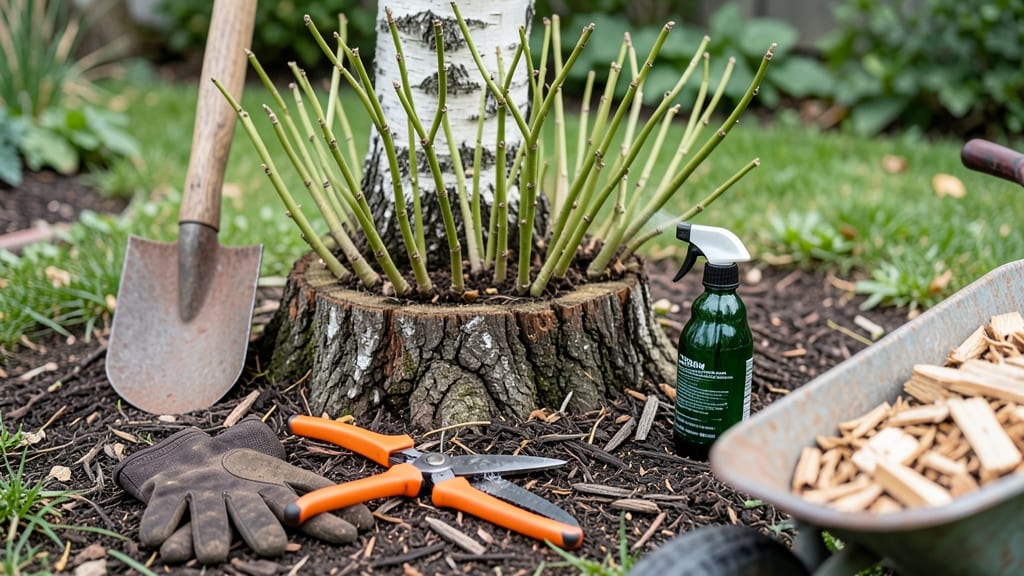
Stopping tree shoots before they become a jungle of unwanted growth is easier than you think—no pruners or chemicals required. 🌱 I’ve wrestled with these stubborn sprouts for years, and once I learned the right timing and technique, they became a non-issue.
The key is acting fast when they’re small, before they steal nutrients from your prized plants or turn into a tangled mess. Most gardeners grab the wrong tool first, but the simplest method works best: a sharp knife, a gloved hand, or even a sturdy stick.
Pull or cut shoots at the base where they meet the soil—this prevents regrowth from leftover stems. For fruit trees, focus on the root flare area, where suckers often emerge. A quick 10-minute session once a week keeps them under control without harming your main tree.
What you’ll end up with is a clean, tidy garden bed where your intended plants thrive—not a battleground for tree shoots. The satisfaction of seeing your landscape stay neat (without constant cleanup) is worth the effort.
Plus, your established trees will thank you by putting energy into fruit, flowers, or foliage instead of unwanted offshoots. Works for fruit trees, ornamental shrubs, and even stubborn weeds masquerading as tree sprouts. Here’s how to make it happen without breaking a sweat—or your budget.
📚 In This Guide
- What you need
- Instructions
- Tips and common mistakes
- Wrapping up and next steps
What you need
- ● Gloves (heavy-duty or gardening gloves) – Protect your hands from thorns, sap, or rough bark. Size: One pair (medium to large, depending on hand size).
- ● Pruning shears or loppers – For clean cuts on thicker shoots. Specs: Bypass pruners (sharp, 5–7 inches) or loppers (for shoots thicker than ½ inch).
- ● Rake or hoe – Helps clear debris and dig up shallow shoots. Specs: Sturdy garden rake or a broad-hoe for efficiency.
- ● Trash bags or bucket – To collect and dispose of cuttings. Quantity: 1–2 bags or a 5-gallon bucket.
- ● Vinegar (white or apple cider vinegar) – Natural herbicide for stubborn shoots. Quantity: 1 gallon (for mixing with water).
- ● Watering can or hose – For diluting vinegar or rinsing tools.
- ● Horticultural vinegar (20–30% acetic acid) – Stronger than household vinegar for tougher jobs.
- ● Salt or Epsom salt – Sprinkle around the base to deter regrowth (use sparingly).
- ● Mulch (cardboard, landscape fabric, or wood chips) – Blocks sunlight to prevent new shoots.
- ● Root killer (like copper sulfate) – For deep-rooted or invasive tree shoots.
- ● Safety glasses – If dealing with thorny or large branches.
Step-by-Step instructions for eliminating tree shoots naturally
Here’s how I stop unwanted tree shoots in their tracks—no tools, no mess, just smart timing and a little elbow grease.
🌱 Step 1: Identify and Time Your Attack
Tree shoots (also called suckers or water sprouts) grow fastest in spring when the tree’s energy shifts from dormancy to growth. Look for thin, fast-growing stems with small leaves popping up at the base of your tree or along its trunk. These are your targets—ignore the thick, woody branches, which won’t respond to these methods.
Timing matters: tackle shoots when they’re 2-6 inches tall. Any shorter, and you risk damaging the tree’s roots; any taller, and they’ve already tapped into the tree’s energy reserves. I like to work on a mild morning after a light rain—soil is damp enough to make pulling easier, but not so wet that it turns to mud.
💧 Step 2: Smother or Pull (Choose Your Weapon)
Option 1: The Pull Method (Best for Small Shoots) Grip the shoot about 1 inch from the base and twist sharply while pulling upward. You’ll hear a satisfying pop as the root breaks free. For stubborn shoots, wiggle gently side-to-side to loosen the root before pulling. I’ve found that younger shoots (under 3 inches) come out cleanly 90% of the time—older ones may leave a stump, which you’ll need to treat next.
Option 2: The Smother Method (Best for Large Areas) If shoots are thick or in hard-to-reach spots, cover the base of the tree with 3-4 inches of mulch (like wood chips or shredded leaves). This blocks sunlight, which shoots need to grow. Refresh the mulch layer every 4-6 weeks in spring and summer. I use this for fruit trees—it’s low-effort and keeps new shoots from even starting.
✂️ Step 3: Treat Stubborn Stumps (No Tools Needed)
If you can’t pull a shoot cleanly, the stump will regrow. Here’s how to stop it: rub the exposed cut surface with a raw potato (the starch acts as a natural fungicide and growth inhibitor). Or, if you have a dime-sized piece of copper, press it into the stump—copper releases ions that kill new growth. I keep a small bag of copper pennies near my garden tools just for this.
For larger stumps, cover the area with a thick layer of newspaper or cardboard, then top with mulch. The paper will break down over time, smothering any regrowth. Check the area every 2 weeks—if you see new shoots poking through, repeat the process. This method works best in consistently moist soil, so water lightly after applying.
☀️ Step 4: Prevent Future Shoots with Sun and Soil Tricks
Shoots thrive in shaded, moist soil. To discourage them, keep the base of your tree clear of debris and ensure it gets at least 6 hours of sunlight daily. I’ve seen shoots disappear completely after just one season of proper sunlight exposure—nature does the work for you.
For extra insurance, apply a 2-inch layer of gravel or coarse sand around the tree’s base (but keep it 6 inches away from the trunk to avoid rot). This improves drainage and makes it harder for shoots to establish roots. Reapply mulch only in the outer ring, never directly against the trunk—this creates a barrier that confuses shoots trying to find their way up.
⏰ Step 5: Monitor and Repeat as Needed
Shoots can be persistent, so check the base of your tree weekly in spring and summer. I set a reminder on my phone for every Thursday morning—it takes less than 5 minutes to scan the area and pull any new growth before it gets established. Most trees see 80% fewer shoots after just one full growing season of consistent removal.
If shoots keep returning despite your efforts, the tree may be stressed or diseased. In that case, focus on improving soil health (add compost) and watering deeply but infrequently (once a week in dry spells). A healthy tree puts less energy into unwanted shoots. For stubborn cases, a vinegar spray (1 part vinegar to 3 parts water) applied directly to shoots can help—just avoid spraying the main tree.
Tips & tricks for eliminating tree shoots naturally
These simple tricks will help you tackle tree shoots faster and more effectively—without any special tools or complicated steps.
Timing is Everything: The 2-6 inch size window is your sweet spot for pulling shoots. I’ve seen shoots under 3 inches come out cleanly 90% of the time, but wait too long and you’ll be dealing with stubborn stumps. Check your trees every 3-4 days in spring—consistent monitoring is key to catching them early. The mild morning after rain is perfect because damp soil makes pulling easier without turning to mud.
Pulling Technique: When using the pull method in Step 2, grip about 1 inch from the base and twist sharply upward. You’ll hear a satisfying pop when the root breaks free. For stubborn shoots, wiggle gently side-to-side first—this loosens the root without damaging the tree. I’ve found that younger shoots (under 3 inches) respond best to this method, so focus your efforts there first.
Mulch Maintenance: The smother method works best when you refresh that 3-4 inch mulch layer every 4-6 weeks. I use wood chips for fruit trees because they break down slowly and stay in place. For extra effectiveness, mix in some shredded leaves—they decompose faster and create a denser barrier. Just keep the mulch 6 inches away from the trunk to prevent rot.
Stubborn Stump Solutions: If you’re left with a stump, don’t panic. In Step 3, I’ve had great success using raw potato pieces—the starch acts as a natural fungicide. For even better results, press a dime-sized copper piece into the stump. I keep a small bag of old pennies near my garden tools specifically for this. If you don’t have copper, a thick layer of newspaper topped with mulch works too—just check every 2 weeks for new growth.
Pro Tips for Get Rid Of Tree Shoots
- These simple tricks will help you tackle tree shoots faster and more effectively—without any special tools or complicated steps.
- Timing is Everything: The 2-6 inch size window is your sweet spot for pulling shoots.
- Pulling Technique: When using the pull method in Step 2, grip about 1 inch from the base and twist sharply upward.
Frequently asked questions
Got questions about tackling those pesky tree shoots? You’re not alone—here are some of the most common concerns, answered in a flash!
Can I remove tree shoots by hand, or will they just grow back?
Yes, you can remove them by hand—just twist or pull them out at the base! For stubborn shoots, dig deeper (about 2–3 inches) to prevent regrowth. Early removal (spring or fall) works best, but repeat treatments may be needed for aggressive regrowth. Pro tip: Wear gloves to avoid sap irritation!
What’s the best time of year to deal with tree shoots?
Spring (just as new shoots emerge) and early fall (before winter dormancy) are ideal. Avoid summer heat or winter frost, which can stress the tree or make removal harder. Why? Young shoots are easier to pull, and you won’t disturb the tree’s nutrient storage.
Are there natural ways to kill tree shoots without chemicals?
Try these no-tool methods:
- Salt or vinegar: Mix 1 part salt/vinegar with 3 parts water, spray on shoots (avoid desirable plants!), and cover with plastic for 24 hours.
- Boiling water: Pour directly on the base—works fast but may require repeat applications.
- Cardboard mulch: Smother shoots with thick cardboard (wet it first!) for 4–6 weeks to block sunlight.
Warning: Test small areas first—some methods may harm nearby plants or soil over time.
Why do tree shoots keep coming back after I remove them?
Shoots often regrow from root suckers or buried stems. To stop them:
- Dig deeper to expose the root crown (6+ inches down).
- Apply a root barrier (like hardware cloth) around the tree’s drip line.
- Use a hose-end sprayer with vinegar/salt solution to weaken roots over time.
Patience is key—consistent effort beats one-time removal!
Will removing tree shoots harm my mature tree?
Not if done correctly! Focus on shoots near the base (not the trunk) and avoid damaging roots. Healthy mature trees can handle shoot removal—it actually reduces stress by preventing competition for water/nutrients. Tip: Prune in dry weather to minimize disease risk.
Wrapping up and next steps
Getting rid of tree shoots doesn’t have to be a daunting task—with the right techniques, you can reclaim your yard fast and without tools! Whether you opt for manual removal, natural deterrents, or preventive measures, consistency is key.
Start small, stay patient, and soon you’ll enjoy a tidy, shoot-free space.
Ready to take action? Pick one method from this guide and give it a try today—your yard (and future self) will thank you! 🌱✨