
Trees
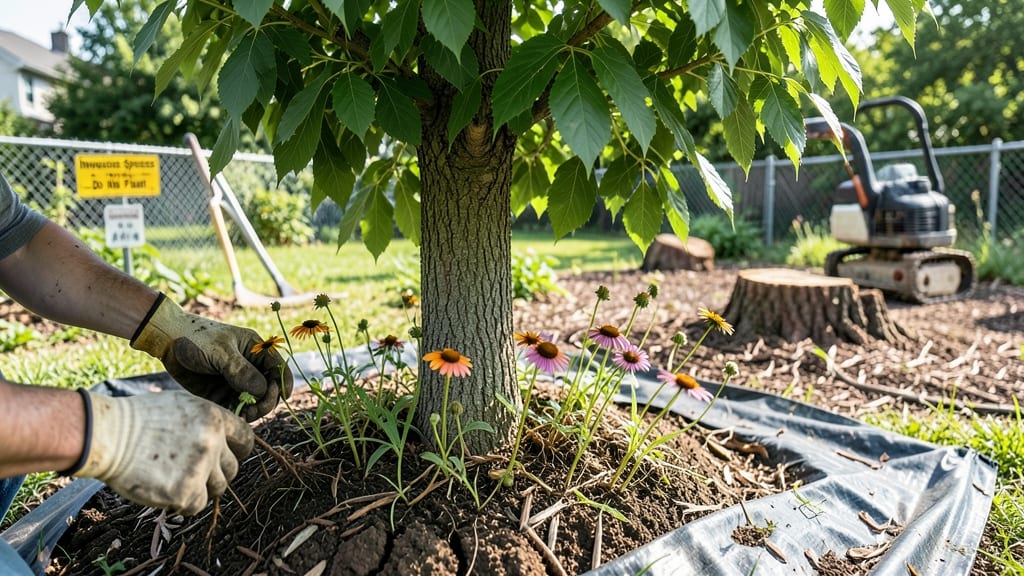
Big tree killers are often invisible threats like fungal diseases such as oak wilt and root rot, destructive pests like emerald ash borers, environmental stressors from drought or soil compaction, and improper pruning that compromises structural health. Identifying these threats early can mean the difference between saving and losing your tree.
These silent destroyers don't just attack randomly—they exploit weaknesses in your tree's defenses. 🌳 For example, fungal diseases like Phytophthora root rot thrive in waterlogged soil, while pests such as spotted lanternflies target specific tree species like willows and maples, leaving behind telltale signs like wilting leaves or sawdust-like frass.
Even something as subtle as soil compaction from heavy foot traffic or construction equipment can suffocate roots over time, cutting off essential nutrients. The key to prevention is understanding your tree's specific vulnerabilities and acting before symptoms become irreversible.
Regular inspections during spring and fall—when trees are most active but pests are less aggressive—can help catch problems early. For instance, oak wilt spreads rapidly in spring, so pruning infected branches immediately is critical.
Meanwhile, mulching properly (2-4 inches of organic material) improves soil health, while avoiding over-pruning prevents stress that invites pests. Professional arborists recommend a 3-5 year maintenance cycle for mature trees, but even homeowners can make a difference with basic tools like a soil aerator or proper pruning shears.
💡 In This Article
- Common Fungal and Pest Tree Killers
- Preventing Tree Death with Proactive Care
Common fungal and pest tree killers
Fungal diseases like Phytophthora root rot attack by infiltrating tree roots through microscopic spores that thrive in saturated soil. These pathogens block water and nutrient transport, causing roots to decay within weeks. 🌱 What makes them deadly is their ability to spread silently—often undetected until branches begin wilting.
For example, oak wilt spreads through root grafts or sap-feeding beetles, killing 90% of infected oaks within a year.
Invasive pests like the emerald ash borer exploit tree stress by laying eggs in bark crevices, where larvae tunnel beneath the bark, disrupting nutrient flow.
These beetles can kill an ash tree in just 2-4 years, leaving behind D-shaped exit holes and sawdust-like frass. 🐛 Another threat, the spotted lanternfly, targets sap by inserting its straw-like mouthparts, weakening trees like willows and maples—its sticky "honeydew" residue attracts mold and further stresses the tree.
Seasonal patterns amplify these threats: fungal spores peak in spring rains, while pests like the emerald ash borer are most active during warm summer months (75-85°F).
Regional hotspots vary—Phytophthora dominates in coastal areas with poor drainage, while ash borers ravage the Midwest, where 99% of ash trees face extinction without intervention. 🌍 Understanding these cycles helps homeowners time preventive measures, like pruning during dormant seasons or applying fungicides before rainy periods.
What most people don’t realize is how these killers exploit tree vulnerabilities. For instance, soil compaction from construction equipment reduces oxygen to roots by up to 30%, making trees more susceptible to fungal attacks.
Similarly, over-pruning removes protective bark layers, inviting pests like borers. The key is recognizing these interconnected risks—fungal diseases and pests often work in tandem to overwhelm even the healthiest trees.
Take the case of sudden oak death, caused by Phytophthora ramorum. This pathogen thrives in humid coastal climates (like California’s redwood forests)**, where it spreads through water droplets and infected nursery plants. 🌊 The disease causes leaf blight and canker lesions, killing oaks and tanoaks within months.
Early detection involves checking for dark, sunken cankers on stems or brown, curled leaves—signs that roots are already compromised.