
How To
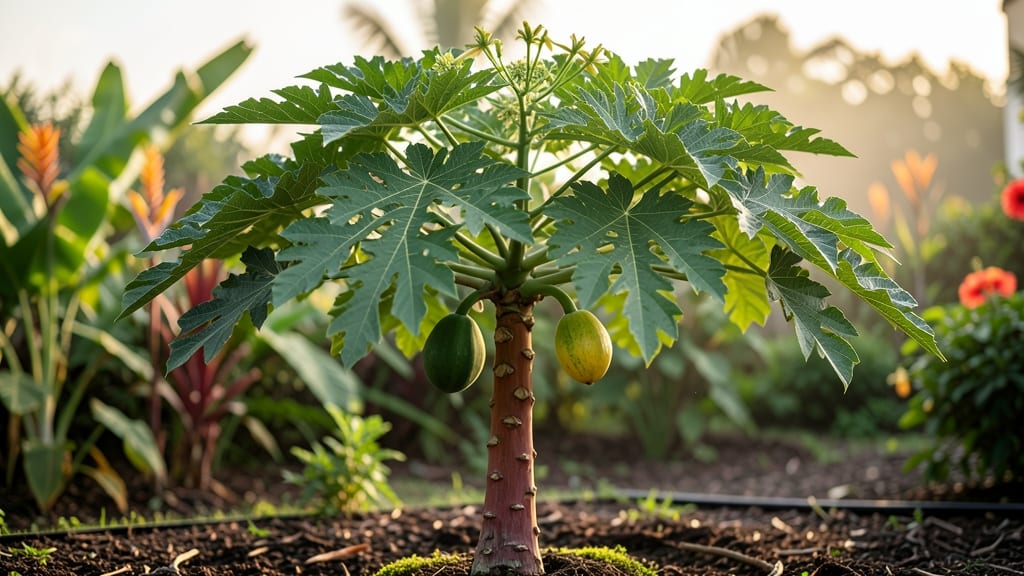
A papaya tree grows between 10 and 30 feet tall, depending on the variety and growing conditions—so your space planning matters more than you might think.
Picture this: a 20-foot giant like 'Solo' towering over your patio, while a 'SunUp' stays a manageable 6 to 10 feet. The difference isn’t just about aesthetics—it affects how you prune, harvest, and even whether you can grow one in a container at all.
If you’re in USDA zones 10-12 (or 9b with protection), you’ve got the perfect climate for these tropical giants, but dwarf varieties don’t exist—so your yard size and patience will decide what you plant.
Below, I’ll break down how to pick the right height for your setup, whether you’re dreaming of a backyard orchard or just want a compact fruit producer on your balcony.


Papaya tree height by variety: from dwarf to giant species
Papaya trees (Carica papaya) are tropical wonders that can dramatically vary in height depending on the variety you choose.
While some dwarf types stay manageable at 6–10 feet, others like the 'Solo' variety can soar to 20–30 feet, making them more suitable for large estates than small backyards. Understanding these differences helps you plan your garden layout and support needs before planting.
The height of your papaya tree also affects its fruit production and maintenance requirements. Taller varieties often produce larger fruits but require sturdier support structures, while compact types yield smaller fruits but are easier to manage.
Let’s explore the most popular varieties and their mature heights to help you make the best choice for your space.
| Variety | Mature Height (ft) | Growth Habit | Best For |
|---|---|---|---|
| 'SunUp' | 6–10 ft | Compact, single-stemmed | Containers, small gardens, urban growers |
| 'Red Maradol' | 10–15 ft | Medium, bushy | Backyards, tropical climates |
| 'Kapoho Solo' | 15–20 ft | Tall, single-stemmed | Large gardens, commercial growers |
| 'Golden Honey' | 12–18 ft | Medium, spreading | Home gardens, fruit production |
| 'Tainong No. 1' | 20–30 ft | Giant, fast-growing | Estates, large-scale farming |
If you’re growing papayas in containers, opt for dwarf varieties like 'SunUp', which tops out at 6–10 feet. These are ideal for patios or balconies in warm climates, as they require less space and can be moved indoors during cooler months.
Just ensure your container is at least 15–20 gallons to accommodate their root systems.
For in-ground planting, medium-height varieties like 'Red Maradol' or 'Golden Honey' strike a balance between manageable size and high fruit yield. These typically reach 10–18 feet and thrive in tropical or subtropical zones with USDA Hardiness Zones 10–12.
They’ll need sturdy stakes or trellises to support their weight as they mature.
Giant varieties like 'Kapoho Solo' or 'Tainong No. 1' are best suited for large estates or commercial farms. These trees can grow 20–30 feet tall and produce massive, sweet fruits, but they demand significant space, regular pruning, and robust support systems.
If you’re considering one of these, plan for a 20-foot clearance around the tree to avoid shading out other plants.
Another key factor is the growth rate of each variety. Dwarf types like 'SunUp' may take 6–9 months to reach maturity, while giant varieties can grow 3–5 feet per year under ideal conditions.
This rapid growth means you’ll need to monitor their height and provide support early to prevent toppling in wind or storms.
When selecting a variety, also consider your climate and microclimate. Even dwarf papayas struggle in cooler zones (below Zone 9b) unless grown in containers that can be moved indoors. Meanwhile, giant varieties thrive in humid, tropical conditions with consistent warmth and high humidity.
If you live in a marginal zone, choose a shorter variety and prepare to protect it during cooler months.
Finally, think about your fruit production goals. Taller trees often produce larger fruits, but they also require more maintenance. For example, 'Tainong No. 1' yields 50–100 pounds of fruit per tree annually, while 'SunUp' produces 10–20 pounds.
If you’re growing for personal use, a medium-height variety might be the perfect compromise between yield and ease of care.
No matter which variety you choose, always plant your papaya tree in well-draining soil with a pH of 6.0–7.0. Amend heavy or clay soils with compost to improve drainage, as papayas hate soggy roots.
With the right variety and care, you’ll enjoy a bountiful harvest of sweet, tropical fruit—no matter how tall your tree grows!
How to choose the right papaya tree height for your garden
Selecting the right papaya tree height depends on your garden's layout and climate. Most varieties grow between 10–30 feet, but some tropical climates support even taller specimens. If you're in a cooler zone like USDA Zone 9b, dwarf varieties may be your only option to avoid winter damage.
Your choice affects fruit production and maintenance ease. Taller trees yield more fruit but require sturdier support, while shorter varieties need less pruning. Let’s break down the key factors to help you decide what fits your space and goals.
Papaya Tree Height: Pros & Cons
Taller Varieties (15–30 ft)
- Pros: Higher fruit yield
- Pros: More dramatic garden feature
- Cons: Needs strong trellis/stakes
- Cons: Harder to harvest
- Cons: Limited to warm climates
Shorter Varieties (6–12 ft)
- Pros: Easier to prune and maintain
- Pros: Works in containers
- Pros: Suitable for cooler zones
- Cons: Lower fruit production
- Cons: Limited variety selection
For container gardening, choose a dwarf variety like 'SunUp' (6–10 ft). These thrive in 5-gallon pots with proper drainage and regular watering. In-ground planting offers more stability for taller trees, but ensure you have 6+ feet of clearance for overhead branches.
Consider your fruit production goals. Taller trees produce more papayas but require seasonal pruning to manage height. If you're a beginner, a shorter variety simplifies care while still delivering sweet, ripe fruit. Always check your local nursery for climate-adapted varieties.
Don’t forget about wind and storm risks. Taller papaya trees need sturdy support in exposed areas. Use bamboo stakes or a central post for stability. In high-wind zones, opt for a shorter variety or prune aggressively to keep the canopy low.
Finally, think about harvest convenience. A 20-foot tree might yield more fruit, but reaching the top branches can be a challenge. If you plan to sell or share your harvest, a shorter tree with easier access might be more practical for your long-term gardening success.