
How To
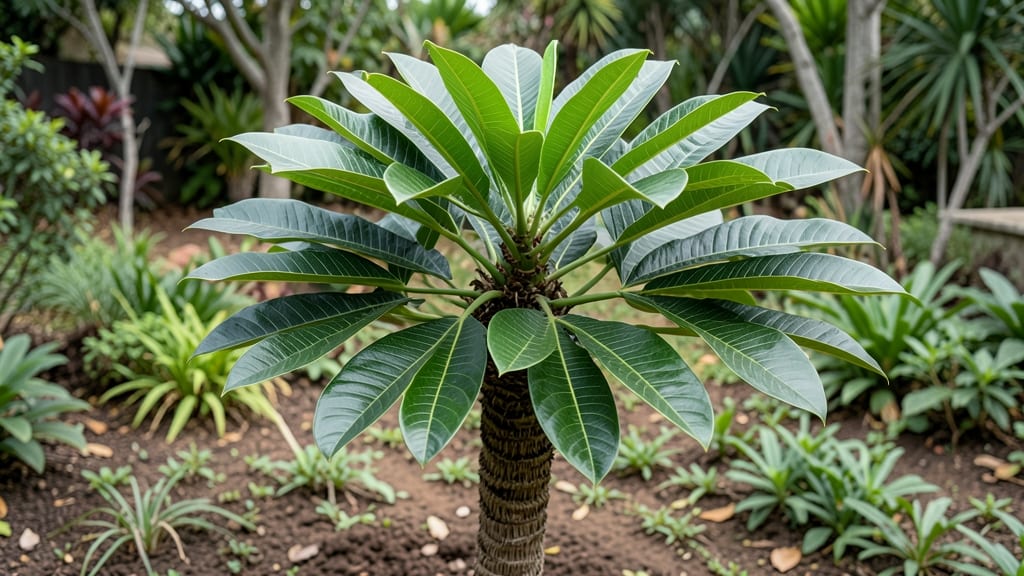
A money tree 💰 typically grows 6 to 10 feet tall indoors, but its height depends on where you plant it—and the differences between indoor and outdoor growth might surprise you.
Picture this: your Money Tree thriving as a towering centerpiece in your living room, only to realize it could have stretched 20 feet tall if planted outside in the right climate. That’s right—indoor Money Trees stay compact, while their outdoor cousins reach for the sky in tropical zones.
Light, pruning, and pot size play huge roles in controlling height. A smaller pot keeps roots confined, slowing growth, while bright indirect light helps it reach its full potential without stretching awkwardly. Outdoors, though, they grow faster in warm, humid conditions—if you’re in zone 6a or warmer.
In this guide, I’ll break down the exact height ranges for indoor vs. outdoor growth, share pruning secrets to keep your Money Tree at your ideal size, and reveal the one care mistake that makes them grow lanky instead of lush.


Indoor money tree growth: how tall can it get inside?
Your indoor money tree (Pachira aquatica) can reach surprisingly different heights depending on care conditions. While outdoor money trees may grow 10-15 feet tall, indoor specimens typically max out at 6-10 feet with proper conditions.
The key factors controlling height are light exposure, pruning habits, and container size—all of which we'll explore to help you manage your plant's growth.
Most indoor money trees grow 1-2 feet per year when given ideal care. Without pruning, a 5-year-old indoor money tree could easily reach ceiling height in a 10-foot room.
The good news? With strategic pruning and container management, you can keep your money tree at a manageable 3-5 feet height—perfect for small spaces or apartment living.
| Growth Factor | Indoor Height Range | Key Influence |
|---|---|---|
| Natural Growth Potential | 6-10 feet | Genetics + ideal conditions |
| With Regular Pruning | 3-5 feet | Trimming new growth |
| In Small Containers | 2-3 feet | Root restriction |
| Low Light Conditions | 1-2 feet | Reduced growth rate |
| First Year Growth | 1-2 feet | Establishment phase |
One of the biggest factors controlling your money tree's height is light exposure. Place your plant near an east or north-facing window for optimal bright indirect light. Direct sunlight can scorch leaves, while too little light slows growth dramatically.
I've found that money trees in low-light conditions may only grow 6-12 inches per year, while those with ideal light can reach 2 feet annually.
Your container size plays a crucial role too. Money trees in smaller pots (10-12 inches) will grow more slowly as their roots become root-bound. For faster growth, upgrade to a 14-16 inch pot every 2-3 years.
Remember, larger containers encourage taller growth—so choose your pot size carefully based on your desired height.
Regular pruning is my secret weapon for controlling height. I recommend pruning back 1/3 of new growth in spring to encourage bushier growth. For a compact money tree, trim the top set of leaves to encourage lateral branching.
This technique can reduce height by 30-50% while creating a fuller, more attractive plant.
If you're concerned about your money tree becoming too tall, try the "pinching method". Simply pinch off the top set of leaves when the plant reaches your desired height.
This stimulates branching and prevents further vertical growth. I've used this technique to keep my money tree at a consistent 4 feet for years.
Another height-control tip: rotate your plant every few months to ensure even growth. This prevents your money tree from leaning toward light sources, which can make it appear taller than it actually is. Proper rotation also helps maintain a balanced shape and encourages fuller foliage development.
For those with very limited space, consider growing your money tree as a bonsai-style plant. With frequent pruning and careful container management, you can keep it under 2 feet tall while maintaining its distinctive braided trunk. Just be prepared for slower growth rates when using this approach.
Remember that seasonal growth patterns affect height too. Money trees grow most rapidly during spring and summer when days are longer. In fall and winter, growth slows significantly—making it the perfect time to prune if you want to control height for the following year.
With these techniques, you can enjoy a healthy, manageable money tree that fits perfectly in your home. Whether you want a tall statement plant or a compact desk companion, understanding these growth factors gives you full control over your money tree's height potential. 🌿
Outdoor money tree growth: height limits and tropical conditions
If you're dreaming of growing a money tree (Pachira aquatica) outdoors, you're in for a treat—this tropical beauty thrives in warm climates and can reach impressive heights. Unlike its indoor counterparts, outdoor money trees grow much faster and taller when given the right conditions.
In USDA zones 10-11, they can mature into stunning 10-15 foot trees within just a few years, making them a bold statement in your garden.
Outdoor money trees love humid, tropical conditions with plenty of space to spread their branches. Unlike indoor plants, they don’t need pruning to control height—they grow naturally into a small tree shape, complete with a thick trunk and lush foliage.
However, their rapid growth means they’ll need regular care to stay healthy and avoid pests or diseases common in warm climates.
⚠️ callout warning
While indoor money trees max out at 6-10 feet, outdoor specimens in ideal conditions can grow 10-15 feet tall—or even taller if unpruned! In USDA zones 10-11, they thrive year-round but may need seasonal pruning to manage size. Without care, they can become unwieldy giants, overshadowing smaller plants or even your patio.
Key Tip: Plant near a support structure or in a spacious garden bed to avoid overcrowding.
To keep your outdoor money tree healthy and manageable, focus on well-draining soil and regular watering—especially during dry spells. Unlike indoor plants, outdoor money trees benefit from mulching to retain moisture and protect roots from temperature swings.
They also love partial shade in the hottest afternoons, which prevents leaf scorch while keeping their vibrant green foliage intact.
One of the biggest differences between indoor and outdoor growth is seasonal care. Outdoor money trees may drop leaves during cooler months (even in zones 10-11) but will regrow quickly once temperatures warm up.
Unlike indoor plants, they don’t need fertilizer year-round—focus on feeding them in spring and summer with a balanced, slow-release fertilizer to encourage strong growth without overstimulating the plant.
If you're planting a money tree outdoors, choose a sunny to partially shaded spot with protection from strong winds, which can damage their delicate leaves. Over time, their thick trunks become a stunning feature, but younger plants may need staking to support their rapid upward growth.
With the right care, your outdoor money tree will become a lush, tropical centerpiece that attracts birds and butterflies alike.
Remember, outdoor money trees are not frost-tolerant, so if you live in zones below 10, treat them as seasonal container plants or bring them indoors during winter.
Even in warm climates, pruning in late winter helps shape the tree and encourages bushier growth, keeping it looking its best all year round.