
How To
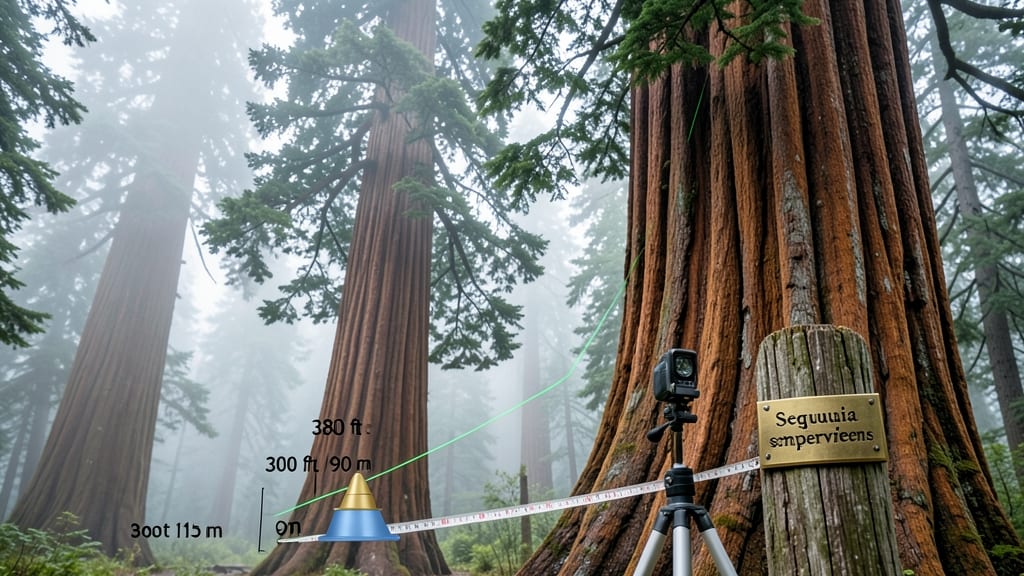
A sequoia tree can grow how tall can a sequoia tree grow—reaching over 360 feet, taller than a 30-story building—making it the tallest tree species on Earth 🌲. Imagine standing at its base and craning your neck to see the treetops disappear into the clouds.
What makes these ancient giants reach such staggering heights, and how do they defy gravity to become living skyscrapers?
Most people assume these trees only thrive in remote forests, but their growth secrets—like deep root systems and fire-resistant bark—can teach us about resilience in any garden.
Even in USDA Zone 6a, where frost lingers until mid-April, understanding their needs can help you nurture a miniature version of nature’s skyscraper.
From coast redwoods to giant sequoias, each species has its own growth quirks. Coast redwoods stretch taller, while giant sequoias bulk up wider. The key to their success? Space, water, and patience—these trees don’t rush, and neither should your planting strategy.
In this guide, I’ll break down their growth habits, the science behind their record-breaking heights, and practical tips for giving your sequoia the best shot at reaching its potential—even in your backyard.


Coast redwood vs. giant sequoia: which tree grows taller?
When comparing coast redwoods (Sequoia sempervirens) and giant sequoias (Sequoiadendron giganteum), the first question most gardeners ask is: which one grows taller? The answer lies in their native habitats and genetic growth potential.
Coast redwoods hold the record for the tallest trees on Earth, while giant sequoias claim the title for most massive volume. Let’s break down their height records and growth dynamics.
Coast redwoods dominate in height, with the Hyperion tree standing at a staggering 380 feet—the tallest known living tree. Giant sequoias, though slightly shorter on average, can reach 250 feet under ideal conditions.
Their growth rates also differ: coast redwoods grow 3-4 feet per year in optimal environments, while giant sequoias grow 1-2 feet annually but develop thicker trunks faster.
Here’s how they stack up in key growth metrics:
| Metric | Coast Redwood (Sequoia sempervirens) | Giant Sequoia (Sequoiadendron giganteum) |
|---|---|---|
| Max Recorded Height | 380 ft (Hyperion) | 275 ft (General Sherman) |
| Average Mature Height | 180-360 ft | 150-250 ft |
| Annual Growth Rate | 3-4 ft/year (optimal) | 1-2 ft/year (optimal) |
| Trunk Diameter | Up to 25 ft | Up to 36 ft (General Sherman) |
| Native Habitat | Coastal fog belts (California) | Mountain slopes (Sierra Nevada) |
| Water Needs | High (fog-dependent) | Moderate (deep roots) |
The coast redwood’s height advantage comes from its fog-dependent growth in California’s coastal fog belts. These trees thrive in high humidity and consistent moisture, allowing them to grow taller without the water stress that limits giant sequoias.
Their shallow but widespread root systems also help them absorb nutrients efficiently from thin soils.
Giant sequoias, on the other hand, grow in drier, inland mountain environments. Their thicker bark and fire-resistant properties help them survive wildfires, but their growth is constrained by limited water availability.
Despite this, they develop massive trunks—some wider than a school bus—thanks to their rapid wood production in early years.
For gardeners considering these giants, space is critical. A mature coast redwood needs at least 100 feet of vertical clearance, while giant sequoias require 50-60 feet. Both species demand well-draining soil and full sunlight, but coast redwoods tolerate cooler, foggy climates better than giant sequoias.
If you’re dreaming of planting a sequoia, coast redwoods are the taller choice, but giant sequoias offer a wider, more dramatic presence. Both are long-lived—some coast redwoods exceed 2,000 years—making them a legacy investment for any garden. Just be prepared for centuries of patience!
🌲
The science of sequoia growth: how do they reach 380 feet?
Sequoias aren't just tall—they're architectural marvels that push the limits of tree biology. Their 380-foot height isn't random; it's the result of millions of years of evolution fine-tuning their root systems, water transport, and fire resistance.
Unlike most trees, sequoias grow upward with unmatched efficiency, thanks to their hollow trunks and thick bark that act like nature's scaffolding.
Their success starts with perfect climate conditions: coastal fog for coast redwoods and high-elevation forests for giant sequoias. These environments provide year-round moisture and cool temperatures, creating ideal growth windows that last nearly 12 months.
Even their needle-like leaves are adapted to conserve water while maximizing photosynthesis—critical for fueling their towering growth.
| Growth Factor | Key Adaptation | Impact on Height |
|---|---|---|
| Root System | Shallow but extensive lateral roots (up to 100ft wide) | Anchors against wind, absorbs fog moisture |
| Water Transport | Vessel elements 3x wider than oak trees | Moves water 1,000ft+ vertically without blockage |
| Trunk Structure | Hollow cores with compression wood | Reduces weight while maintaining rigidity |
| Fire Resistance | Thick bark (up to 12 inches) and serotinous cones | Survives wildfires; regrows from base |
| Genetic Growth Rate | 3-4 feet per year in ideal conditions | Outpaces most trees by 300% in early years |
One of their most engineered features is their water transport system. Sequoias have xylem vessels that are three times wider than those in oak trees, allowing water to travel 1,000 feet vertically without clogging.
This hydraulic efficiency means they can pump water to their highest branches even during droughts—a superpower that lets them grow upward while other trees struggle.
Their hollow trunks might seem like a weakness, but it's actually a weight-saving innovation. By creating air pockets in their wood structure, sequoias reduce the structural load on their roots, letting them support massive canopies without toppling.
Studies show their compression wood is 20% lighter than solid wood, yet just as strong—like a carbon-fiber skyscraper in tree form.
Fire isn't their enemy—it's their growth catalyst. Their thick, fire-resistant bark and serotinous cones (which only open after heat) mean sequoias thrive after wildfires. The charred soil releases nutrients, and sunlight reaches the forest floor for the first time in decades, triggering a growth spurt.
Some 2,000-year-old sequoias owe their current height to post-fire regeneration.
For gardeners dreaming of growing sequoias, remember: their 380-foot height requires space, patience, and perfect conditions. Even a young sequoia needs 100 feet of clearance to reach its potential.
If you're planting one, choose a foggy coastal or high-elevation site with deep, well-draining soil—and prepare for a lifelong commitment to nurturing nature's tallest masterpiece. 🌲