
How To
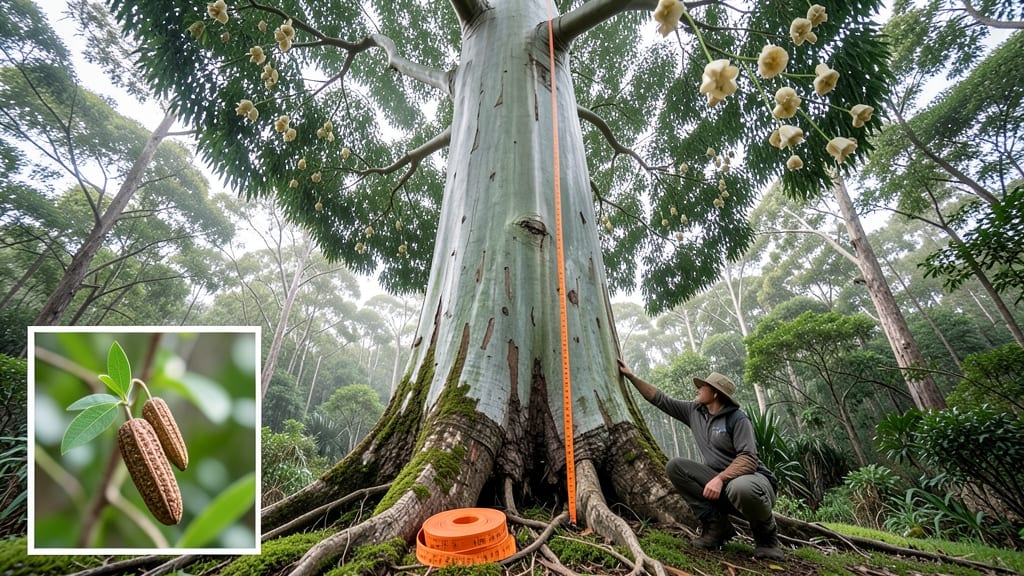
A eucalyptus tree can grow anywhere from 30 feet to over 300 feet tall, depending on the species and where you live.
If you're dreaming of towering eucalyptus trees in your landscape but wondering just how massive they can get, the answer depends entirely on your climate—and it might surprise you.
These iconic trees 🌳 thrive in USDA Zone 6a and beyond, with some species shooting up like skyscrapers in tropical regions while others stay compact enough for smaller yards.
Below, I’ll break down the height ranges by species, how climate shapes their growth, and whether you can really grow a giant eucalyptus in your backyard.


Eucalyptus tree height by species: from dwarfs to skyscrapers
Eucalyptus trees are nature's skyscrapers, with some species reaching heights that dwarf even the tallest buildings. Their mature heights vary dramatically—from dwarf varieties under 20 feet to giants surpassing 300 feet.
Whether you're planning a backyard oasis or a large estate, choosing the right species for your climate and space is key to success. Let's explore the height spectrum of eucalyptus trees, from the tiniest to the towering giants.
Most gardeners assume eucalyptus trees are all massive, but the truth is far more diverse. Some species stay compact enough for urban gardens, while others demand acres of space. The fastest-growing varieties can add 10 feet per year in ideal conditions, while alpine species grow just a few inches annually.
Your local climate will dictate which species thrive—and how tall they'll become.
Here's the full spectrum of eucalyptus heights, from backyard-friendly dwarfs to forest-dominating giants:
| Species Name | Native Climate | Mature Height Range | Growth Rate (ft/year) | Best For |
|---|---|---|---|---|
| Eucalyptus regnans | Temperate rainforests (Australia) | 300+ ft (world's tallest) | 3-6 ft | Forest restoration (not residential) |
| Eucalyptus globulus | Coastal temperate (Australia/Tasmania) | 60-100 ft | 2-4 ft | Large gardens, windbreaks |
| Eucalyptus pauciflora | Alpine/temperate (Australia) | 20-40 ft | 0.5-1 ft | Small gardens, container growing |
| Eucalyptus tereticornis | Tropical/subtropical (Australia) | 100-130 ft | 3-5 ft | Urban forests, large landscapes |
| Eucalyptus cinerea | Temperate (Australia) | 10-20 ft | 0.3-0.5 ft | Small yards, bonsai |
| Eucalyptus delegatensis | Alpine (Australia) | 60-100 ft | 1-2 ft | Cool-climate gardens |
The tallest eucalyptus species, like Eucalyptus regnans, can grow over 300 feet tall—making them the tallest flowering trees on Earth. These giants require spacious forests and aren't suitable for home gardens.
Their rapid growth rates (up to 6 feet per year) make them ecological powerhouses but logistical challenges for residential planting.
For home gardeners, dwarf varieties like Eucalyptus cinerea offer the perfect solution. These stay under 20 feet tall and grow just 3-5 inches per year, making them ideal for small yards or containers.
Their slow growth also means they require less maintenance than their towering cousins. The trade-off? They won't provide the same dramatic visual impact as a 100-foot giant.
If you're torn between fast growth and manageable size, consider Eucalyptus globulus. This species strikes a balance, reaching 60-100 feet while growing 2-4 feet annually. It's popular for large gardens and windbreaks because it matures quickly but remains within reach of most landscapes.
Just ensure you have plenty of space—these trees develop extensive root systems that need room to spread.
Alpine species like Eucalyptus pauciflora and E. delegatensis grow more slowly but offer unique textures and fragrances. Their compact stature (20-40 feet) makes them perfect for cooler climates where faster-growing species might struggle.
These varieties also handle drought and poor soils better than tropical eucalyptus, making them low-maintenance choices for challenging environments.
Before planting any eucalyptus, check your local regulations—some states restrict or ban certain species due to their invasive tendencies or fire risks. For example, Eucalyptus regnans is prohibited in many areas because of its aggressive growth and potential to outcompete native plants.
Always verify whether your chosen species is suitable for your region before purchasing saplings.
🌳
How climate affects eucalyptus growth: tropics vs. temperate zones
Eucalyptus trees are famous for their staggering heights, but their growth potential depends heavily on where you plant them. In the tropical zones, species like Eucalyptus tereticornis can soar to over 100 feet with year-round warmth and humidity fueling rapid growth.
Meanwhile, in temperate climates, alpine varieties like Eucalyptus delegatensis mature at a more modest 60–100 feet due to cooler temperatures and seasonal changes. Understanding these differences helps you choose the right species for your region and manage expectations for your landscape.
Climate isn't just about temperature—it's a complex interplay of rainfall patterns, soil drainage, and even wind exposure. For example, coastal eucalyptus like Eucalyptus globulus thrive in windy, moist environments but may grow wider rather than taller if exposed to persistent gusts.
Meanwhile, inland species often stretch skyward when given plenty of sunlight and well-draining soil. Let’s break down the three critical climate factors that determine how tall your eucalyptus will grow.
-
1. Temperature Zones
Tropical species thrive in year-round warmth (e.g., E. tereticornis in Florida), while temperate species like E. globulus need cooler summers to reach full height. -
2. Water Availability
Drought-tolerant species (e.g., E. camaldulensis) may grow shorter in waterlogged soils, while moisture-loving varieties (e.g., E. nitens) require consistent hydration to maximize height. -
3. Wind Exposure
High winds stunt vertical growth; coastal species (e.g., E. globulus) develop thicker trunks but often grow wider than tall in exposed areas.
One critical warning: frost sensitivity can drastically limit eucalyptus growth in colder climates. Most species cannot survive temperatures below 20°F, and even light frosts can stunt growth or kill young trees.
If you live in USDA Zone 7 or colder, opt for hardier varieties like Eucalyptus pauciflora, which tolerates cooler temperatures better than tropical species. Always check your local microclimate—valleys and low-lying areas can trap cold air, making frost a bigger risk even in moderate zones.
Soil type also plays a surprising role in height potential. Eucalyptus trees hate soggy roots—waterlogged conditions can lead to root rot and stunted growth, even in species known for drought tolerance. Amend heavy clay soils with organic matter like compost or sand to improve drainage.
In sandy soils, mulch heavily to retain moisture and nutrients, which supports faster, taller growth. For example, E. tereticornis in Florida’s sandy soils can reach 120 feet with proper care, while the same species in compacted urban soil might struggle to exceed 60 feet.
If you're considering planting eucalyptus in your yard, think about space requirements early. A standard eucalyptus can cast a 50-foot-wide shade at maturity, blocking sunlight from neighboring plants.
In small gardens, dwarf varieties like Eucalyptus cinerea (reaching just 10–20 feet) are ideal, while larger species need at least 30 feet of clearance from structures and power lines. Always research your specific species’ mature canopy spread—it’s just as important as height when planning your landscape.
Ready to grow eucalyptus? Start by matching your climate to the right species—tropical for warmth, alpine for cooler zones—and prioritize well-draining soil and full sun for the tallest, healthiest trees. With the right conditions, you could be watching a eucalyptus reach for the sky in just a few decades! 🌳