
Trees
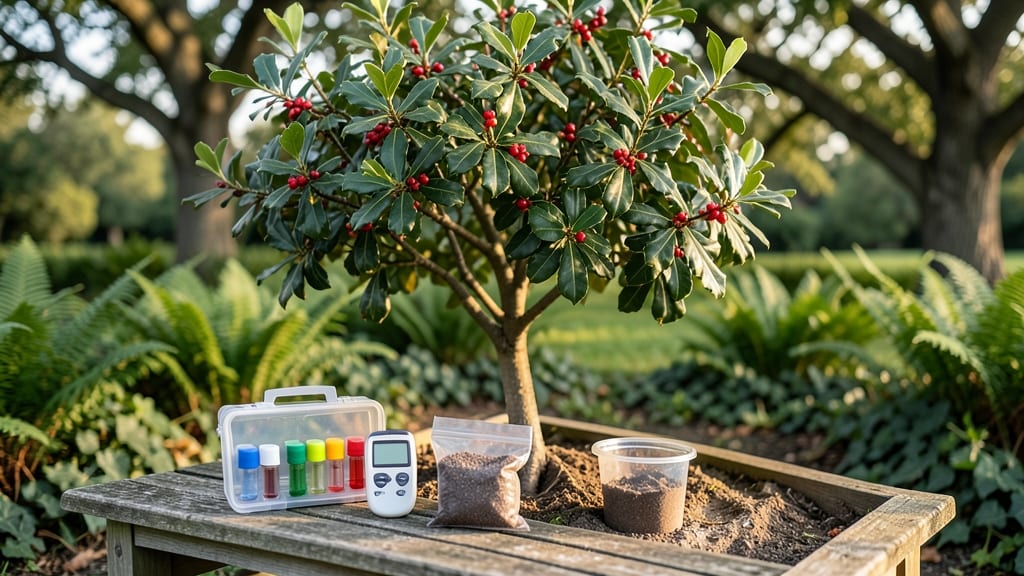
Your holly tree’s yellow leaves aren’t a death sentence—just a distress signal. 🌿 I’ve nursed back more than a few holly trees with this exact approach, and the key is identifying whether it’s a nutrient issue, pest problem, or environmental stress.
The good news? Most causes have simple fixes that work within weeks.
Start by checking the pattern: uniform yellowing often means overwatering or poor drainage, while splotchy yellow with brown edges could signal spider mites or fungal issues. If the leaves stay yellow but feel soft, it’s likely root rot from soggy soil.
The worst-case scenario? A nutrient deficiency—especially iron or nitrogen—which shows up as pale yellow leaves with green veins.
You’ll likely need just one or two of these fixes: a balanced fertilizer for nutrient issues, neem oil spray for pests, or adjusting your watering schedule. I’ve seen holly trees bounce back completely in 4-6 weeks with the right care.
The secret is acting fast before the problem spreads to the whole canopy.
For stubborn cases or if the tree looks wilted at the trunk, call in an arborist—some issues like bacterial leaf spot need professional treatment. But in most cases, you’ve got this. Let’s get those leaves turning green again.
Understanding Leaf Color Changes
Yellowing leaves on your holly tree can be a sign of stress, disease, or environmental factors. Let’s break down the most common causes—so you can diagnose the issue and take action.
Holly trees thrive when their soil is rich in essential nutrients. When leaves turn yellow, it’s often a cry for help from the roots. Here’s what’s likely lacking:
- 💡 Iron Chlorosis (Yellow Between Veins) - Why it happens: Iron is critical for chlorophyll production, and holly trees (especially those in alkaline soil) struggle to absorb it. - Actionable fix: Test your soil’s pH—aim for 5.5–6.5.
If alkaline, amend with chelated iron or sulfur to lower pH. Organic options like composted manure or peat moss can also help.
- ⚗️ Nitrogen Starvation (Overall Pale Yellow)
- Why it happens: Nitrogen fuels leaf growth. If old leaves yellow first, your tree may be nitrogen-deficient.
- Actionable fix: Apply a slow-release nitrogen fertilizer (like 10-10-10) in early spring. Fish emulsion or alfalfa meal are organic alternatives.
- 🌿 Magnesium or Potassium Shortage (Yellow Edges or Spots) - Why it happens: These minerals help regulate water and nutrient transport.
Yellowing at leaf edges often signals a lack of potassium, while magnesium deficiency (chlorosis between veins) can mimic iron issues. - Actionable fix: Use Epsom salt (magnesium sulfate) for magnesium (1 tbsp per gallon of water, sprayed on leaves). For potassium, try wood ash or a balanced fertilizer.
Holly trees hate soggy roots but also suffer when drought-stressed. Yellow leaves can signal overwatering or underwatering—here’s how to tell them apart:
- 🌧️ Overwatering (Yellowing + Wilting or Drooping) - Why it happens: Holly trees prefer well-draining soil.
Poor drainage leads to root rot, cutting off oxygen and nutrients. - Actionable fix: - Improve drainage by amending soil with perlite, sand, or compost. - Avoid waterlogging—ensure your tree isn’t planted in a low spot where water pools. - Check roots—if they’re mushy or black, prune affected areas and repot (if potted).
- 🏜️ Drought Stress (Crispy Yellow Edges) - Why it happens: Holly trees need consistent moisture, especially in full sun.
Drought causes leaves to curl and yellow at the edges. - Actionable fix: - Water deeply 1–2 times per week (depending on climate), ensuring soil is 2–3 inches moist. - Mulch (2–3 inches of wood chips or pine straw) to retain moisture. - Avoid midday watering—early morning or late evening reduces evaporation.
Not all yellow leaves are nutrient-related. Pests and pathogens can sap your holly’s vitality, leading to discoloration. Watch for these culprits:
- 🐜 Spider Mites or Scale Insects (Stippled Yellowing + Webbing) - Why it happens: These pests pierce leaves, sucking out chlorophyll.
Heavy infestations cause yellow stippling or bronzing. - Actionable fix: - Blast off mites with a strong spray of water (disrupts their webs). - Neem oil (1 tsp per quart of water) or insecticidal soap can smother them. - Release predatory insects like ladybugs for natural control.
- 🍄 Fungal Infections (Yellow Spots or Powdery Coating)
- Why it happens: Anthracnose or powdery mildew thrive in humid, shady conditions, causing yellow/brown spots or a white powdery film.
- Actionable fix:
- Prune for airflow—remove crowded branches.
- Fungicide spray (copper-based or baking soda mix: 1 tbsp baking soda + 1 tsp oil + 1 quart water).
- Avoid overhead watering to reduce humidity around leaves.
- 🐛 Holly Leaf Miner (Serpentine Yellow Trails)
- Why it happens: The holly leaf miner larva burrows into leaves, creating yellow, blistered trails.
- Actionable fix:
- Handpick infested leaves and drop them in soapy water.
- Spray with horticultural oil in early spring to suffocate eggs.
Even healthy holly trees can yellow due to environmental factors. Here’s how to mitigate them:
- 🔥 Sunburn (Sudden Yellowing in Bright Light) - Why it happens: Holly trees prefer partial shade.
Sudden exposure to hot afternoon sun can scorch leaves. - Actionable fix: - Provide afternoon shade with a light fabric screen or nearby trees. - Gradually acclimate young hollies to sun over weeks.
- 🌬️ Wind or Salt Damage (Bleached Yellow Tips)
- Why it happens: Salt spray (near roads) or strong winds dry out leaf edges, causing crispy yellow tips.
- Actionable fix:
- Rinse leaves with fresh water if near salt exposure.
- Shelter young trees with a windbreak (bamboo fence or evergreen hedge).
Pro Tip: 🔍 Diagnose like a pro—examine the pattern of yellowing:
- Older leaves first? → Likely nutrient deficiency (nitrogen, potassium).
- New leaves yellow? → Possible iron/magnesium issue or overwatering.
- Random spots? → Pests or disease.
Revive Your Holly’s Health
Yellow leaves on your holly tree can be frustrating, but with the right approach, you can restore its vibrant green canopy. Let’s tackle the most common causes and provide practical, step-by-step solutions to bring your holly tree back to life.
If your holly’s yellowing leaves are due to soggy soil or poor drainage, the first step is to correct the watering habits and improve soil conditions.
🔥 Step 1: Check the Soil Moisture
- 👨🍳 Dig a small hole (about 2 inches deep) near the base of the tree.
- 🥘 Insert your finger—if the soil feels damp or muddy, your holly is getting too much water.
- ⏰ Water only when the top 1-2 inches of soil are dry to the touch.
🔪 Step 2: Improve Drainage
- 🌡️ Amend heavy or compacted soil with organic matter like compost or peat moss to help water drain faster.
- ✨ Consider raised beds if your yard has poor drainage, or plant holly in well-draining soil from the start.
💡 Prevention Tip:
- 🎯 Use a moisture meter to track soil conditions accurately.
- 🌧️ Avoid watering in the evening—morning watering allows excess moisture to evaporate.
Holly trees are drought-tolerant but still need consistent moisture, especially during hot spells.
🍳 Step 1: Deep Watering Technique
- 💦 Water deeply 1-2 times per week (more in extreme heat) to encourage deep root growth.
- 👨🍳 Use a soaker hose or drip irrigation to deliver water slowly at the base.
🥗 Step 2: Mulch for Moisture Retention
- 🌿 Apply 2-3 inches of mulch (wood chips or bark) around the tree, keeping it away from the trunk to prevent rot.
- ✨ Mulch helps retain soil moisture and regulates temperature.
💡 Prevention Tip:
- 🎯 Monitor weather forecasts—increase watering during heatwaves or dry spells.
- 🌡️ Water early in the morning to reduce evaporation.
Yellowing leaves with dark spots or powdery growth could signal a fungal infection like anthracnose or powdery mildew.
🔥 Step 1: Prune Infected Leaves
- 🔪 Remove and destroy (do not compost) yellow or spotted leaves to prevent further spread.
- 👨🍳 Sterilize pruners with rubbing alcohol between cuts.
🥘 Step 2: Apply Fungicide
- 🌡️ Use a copper-based or neem oil fungicide (follow label instructions).
- ✨ For prevention, spray every 2-3 weeks during humid or rainy seasons.
💡 Prevention Tip:
- 🎯 Improve air circulation by spacing trees properly and pruning for better airflow.
- 🌧️ Water at the base (avoid overhead sprinkling) to keep foliage dry.
Yellow leaves can also signal iron, nitrogen, or magnesium deficiencies.
🍳 Step 1: Soil Test First
- 📊 Conduct a soil test (available through local extension offices) to identify deficiencies.
- 👨🍳 Adjust fertilization based on results—holly trees prefer slightly acidic soil (pH 5.0-6.0).
🥗 Step 2: Apply the Right Fertilizer
- 🌿 For nitrogen deficiency (pale yellow leaves): Use a balanced 10-10-10 fertilizer in early spring.
- 🍎 For iron deficiency (yellow between veins): Apply iron sulfate or chelated iron.
- ✨ For magnesium deficiency (yellow patches): Use Epsom salt (magnesium sulfate) sparingly.
💡 Prevention Tip:
- 🎯 Fertilize in early spring (avoid fall applications).
- 🌡️ Avoid over-fertilizing—too much can burn roots and worsen issues.
Pests like spider mites, scale, or aphids can drain nutrients, causing yellowing.
🔥 Step 1: Inspect for Pests
- 🔪 Check undersides of leaves for webs (mites), sticky residue (aphids), or bumps (scale).
- 👨🍳 Early detection = easier treatment!
🥘 Step 2: Use Natural or Chemical Controls
- 🌿 For mites/aphids: Spray with neem oil or insecticidal soap.
- 🍎 For scale: Scrape off with a stiff brush or use horticultural oil.
- ✨ For severe infestations: Apply systemic insecticide (follow label carefully).
💡 Prevention Tip:
- 🎯 Encourage beneficial insects (ladybugs, lacewings) by planting companion flowers.
- 🌧️ Keep the tree healthy—stressed trees attract more pests.
Final Thought: 🌟 With the right care, your holly tree can bounce back to full, lush greenery. Start with the most likely cause, act quickly, and monitor progress!
Frequently asked questions
Why do holly tree leaves turn yellow in patches instead of all at once?
Patchy yellowing usually signals localized stress from pests like spider mites or fungal infections such as anthracnose. Check for tiny webs (mites) or dark spots (fungus) on affected areas. These issues spread gradually, so early treatment with neem oil or copper fungicide can stop them before they take over.
Can I save my holly tree if half the leaves are already yellow?
Holly trees are resilient. Focus on fixing the root cause—whether it's adjusting watering, applying fertilizer, or treating pests. With proper care, new growth will emerge green within 4-6 weeks. Prune severely affected branches to redirect energy to healthier foliage.
Is it safe to use household vinegar as a fungicide for holly leaf spots?
Plain white vinegar can help as a mild fungicide, but it's not ideal for holly trees. Dilute 1 part vinegar to 3 parts water and spray leaves (avoid trunk). For better results, use a dedicated copper fungicide. Vinegar may also lower soil pH over time, which could worsen nutrient deficiencies.
How often should I fertilize a holly tree with yellow leaves?
Start with a soil test to identify deficiencies. For general care, apply a balanced 10-10-10 fertilizer in early spring, then again in mid-summer. If you're correcting deficiencies (like iron chlorosis), use targeted amendments like chelated iron or Epsom salt sparingly—over-fertilizing can harm roots.
Will pruning yellow leaves help my holly tree recover faster?
Yes! Pruning removes stressed foliage that drains energy. Focus on branches with more than 50% yellow leaves, cutting back to healthy growth. Sterilize tools between cuts to prevent disease spread. This encourages new, vibrant leaves to grow in their place.