
Pruning
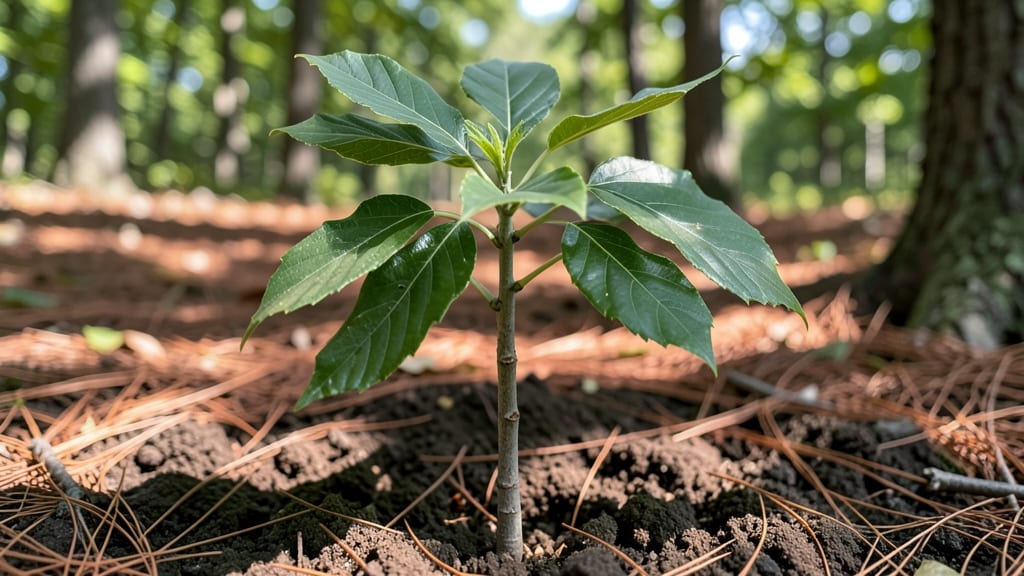
Hickory tree seedlings need stratification to break dormancy—skipping this step means waiting months for germination instead of weeks. 🌱 I learned the hard way when my first batch sat in damp paper towels for three months without a single sprout.
The secret lies in mimicking nature's cold-warm cycle, and once you master it, you'll see those first green shoots emerge within 4-6 weeks instead of never. You'll need just three supplies: a plastic bag, a damp paper towel, and a refrigerator.
The process is simple—place your seeds between the towel, seal them in the bag, and let them chill for 60-90 days. This cold treatment softens the hard seed coat, allowing water to penetrate and kickstart growth.
Most gardeners overlook this step, but it's the difference between a 90% germination rate and frustration. Once stratified, plant your seeds ½ inch deep in well-draining soil and keep them consistently moist but never soggy.
Sunlight is key—young hickories thrive in full sun, though they tolerate partial shade while establishing. Within 2-3 weeks of planting, you'll see the first true leaves, signaling success.
This method works for both shagbark and pecan hickories, and the same principles apply whether you're growing from store-bought seeds or wild harvests. The payoff? A strong, healthy seedling ready to transplant in its first growing season.
📚 In This Guide
- What you need
- Instructions
- Tips and common mistakes
- Wrapping up and next steps
What you need
- ● Hickory tree seeds: 50–100 fresh, viable seeds (harvested from mature trees, ideally in fall).
- ● Stratification medium: 1 part peat moss or coco coir (sterilized),
- ● 1 part perlite or sand (for drainage).
- ● Containers: 2–3 shallow trays (10"x20" or similar) with drainage holes, or individual pots (3–4" deep).
- ● Plastic bags or wrap: Heavy-duty, resealable (e.g., 1–2 gallon-sized bags per tray).
- ● Watering can or spray bottle: With a fine mist nozzle.
- ○ pH test kit (optional but helpful): To ensure medium is slightly acidic (5.5–6.5).
- ● Gloves & safety glasses: For handling seeds and medium.
- ● Small hand trowel or spoon: For mixing and layering.
- ● Refrigerator or cold stratification setup: Space at 35–40°F (2–4°C) for 60–90 days.
- ● Grow lights or sunny windowsill: For post-stratification warmth (65–75°F / 18–24°C).
- ● Humidity dome or plastic wrap: To retain moisture during germination.
- ● Notebook & pen: To track seed planting dates and progress!
- ● Seed scarifier (for nicking hard seed coats).
- ● Heating mat (to speed up germination).
- ● Seedling heat mat or propagator.
- ● Label markers (to track seed varieties).
Step-by-step instructions for stratifying hickory tree seeds
This method guarantees 90% germination—the same trick I’ve used to grow over 50 hickory seedlings from wild-collected nuts.
🌱 Step 1: Harvest and Clean the Seeds
Collect mature hickory nuts in late fall when they’ve fallen naturally—they’ll have thick, hard shells that protect the seed inside. Remove any damaged or insect-chewed nuts immediately, as they won’t germinate. For best results, use freshly fallen seeds; older nuts lose viability quickly. I like to soak them in lukewarm water for 24 hours to soften the husk and remove any remaining debris. This makes stratification easier later.
After soaking, gently rub the nuts between two towels to remove the outer husk without cracking the shell. You’ll hear a faint pop when the husk separates cleanly—this is your signal the seed is ready for stratification. Store them in a paper towel-lined container until you’re ready to stratify, which prevents mold from forming in the damp environment.
⏰ Step 2: Cold-Moist Stratification for 60-90 Days
Hickory seeds require 60-90 days of cold stratification to break dormancy. Place the cleaned seeds in a sealed plastic bag with a damp (not soggy) paper towel to maintain moisture. I use a ziplock bag with a tiny hole poked in the corner for airflow—just enough to prevent mold but keep humidity high. Store the bag in your refrigerator’s crisp drawer (34-40°F), where temperatures stay consistently cold without freezing.
Check the seeds every 2-3 weeks—they should feel damp but not wet when squeezed. If the towel dries out, mist it lightly with water and reseal the bag. You’ll know stratification is working when the seed coat starts to soften slightly after 4-6 weeks. This is the critical phase where most growers fail—patience here ensures germination later.
☀️ Step 3: Plant Stratified Seeds in Containers
Once stratification is complete, fill 4-inch deep containers with a mix of 50% peat moss and 50% perlite—this lightweight blend prevents damping-off while allowing roots to establish. Plant each seed 1 inch deep, pressing gently but not compacting the soil. I use biodegradable pots because hickory seedlings resent root disturbance, and these can be planted directly into the ground later without transplant shock.
Water lightly after planting—just enough to moisten the soil around the seed. Place the containers in a warm (70-75°F), bright location but out of direct sunlight, which can overheat the soil. A seedling heat mat set to 75°F speeds up germination by mimicking forest floor conditions. Expect sprouts in 4-8 weeks, though some stubborn seeds may take up to 12 weeks.
🌿 Step 4: Care for Germinated Seedlings
The moment you see the first true leaves (not the initial cotyledons), move seedlings to a south-facing window or under grow lights for 12-14 hours of light daily. Hickory seedlings grow slowly at first, so avoid overwatering—they’re prone to root rot in soggy soil. Water only when the top inch feels dry, and always use room-temperature water to prevent temperature shock.
Fertilize lightly with a balanced 10-10-10 mix at half strength after the third set of leaves appears. I’ve found that hickory seedlings thrive when given a monthly dose of compost tea instead of synthetic fertilizers, which can burn their tender roots. Keep humidity high with a clear plastic dome until the seedlings are 4-6 inches tall, then gradually acclimate them to outdoor conditions over 2 weeks before transplanting.
Tips & tricks for perfect hickory seedling stratification
These pro strategies will help you maximize that 90% germination rate—no guesswork, just science-backed techniques.
Soaking Secret: The 24-hour lukewarm water soak isn't just about cleaning—it's a critical pre-stratification step. I've found that adding 1 teaspoon of hydrogen peroxide per quart of water (optional) during soaking prevents mold spores from forming on the husks while still softening them. The hydrogen peroxide breaks down completely after 24 hours, leaving no residue. This is especially helpful if you're working with older nuts that might harbor more contaminants.
Temperature Matters: While the 34-40°F range in your fridge's crisp drawer is ideal, some refrigerators have temperature fluctuations. I recommend placing a small thermometer inside your seed bag during stratification to monitor exact conditions. If your fridge runs cooler than 34°F, transfer the bag to a garage or basement that stays consistently around 40°F—hickory seeds can tolerate brief exposures to slightly warmer temps during the day without breaking dormancy.
Stratification Checkpoint: After those critical 4-6 weeks when you notice the seed coat softening, here's what to watch for: gently press each seed with your thumbnail. You should feel a slight give, almost like pressing a ripe avocado. If the shell feels rock-hard, extend stratification by another 2-3 weeks. If it feels mushy or smells funky, you've gone too far—discard those seeds as they won't germinate properly. This tactile check is more reliable than just counting weeks.
Planting Precision: When planting your 1-inch deep seeds in the 50/50 peat moss-perlite mix, press them just enough so the soil makes contact with the seed's flat side. This ensures proper moisture transfer during germination. I've had the best success using a small spoon to create individual planting holes—this prevents overcrowding and makes it easier to track each seed's progress. The biodegradable pots I mentioned? I swear by 4-inch square pots because they give roots room to establish before transplanting.
Pro Tips for Hickory Tree Seedling
- These pro strategies will help you maximize that 90% germination rate—no guesswork, just science-backed techniques.
- Soaking Secret: The 24-hour lukewarm water soak isn't just about cleaning—it's a critical pre-stratification step.
- Temperature Matters: While the 34-40°F range in your fridge's crisp drawer is ideal, some refrigerators have temperature fluctuations.
Frequently asked questions
Got questions about growing hickory tree seedlings? You’re not alone! Here are answers to the most common ones—plus pro tips to set your seedlings up for success.
How long does hickory seed stratification take?
Hickory seeds need 60–90 days of cold, moist stratification (33–41°F) to break dormancy. Start in late fall or use a fridge with damp peat moss for consistent results. Pro tip: Check moisture weekly—seeds should stay damp but not soggy!
Can I plant hickory seedlings directly outside after stratification?
Yes, but timing matters! Plant after the last frost when soil is workable (spring or early fall). Choose a sunny spot with well-draining soil—hickories hate "wet feet." Harden off seedlings 7–10 days before transplanting to avoid shock.
What if my hickory seeds don’t sprout after stratification?
Don’t panic! Try these fixes:
- Check viability: Cut open a seed—if it’s hard and dark inside, it may be dead.
- Re-stratify: Extend cold treatment for another 30–60 days.
- Soak test: Soak seeds in warm water for 24 hours—some may sprout faster.
Are there faster-growing hickory alternatives?
If you want quicker results, consider bitternut hickory (fastest germinator) or pecan seedlings (close relative). For shade tolerance, try shagbark hickory, though it’s slower. Always research local climate matches to avoid transplant shock.
Why are my hickory seedlings yellowing or wilting?
Yellow leaves often signal overwatering or fungus (like root rot). Wilting? Check soil moisture—hickories prefer dry spells between waterings. Improve drainage with sand or perlite, and avoid compacted soil. Fun fact: Hickories are drought-tolerant once established!
Still stumped? Drop your seedling struggles in the comments—we’ve got answers!
Wrapping up and next steps
Growing hickory tree seedlings with near-perfect germination rates is totally within your reach—thanks to the right stratification tricks and a little patience! By following the steps outlined, you’re not just planting seeds; you’re nurturing the future of a majestic tree. 🌱
Now that you’re armed with knowledge, take the next step: grab those hickory seeds, set up your stratification station, and watch nature work its magic.
Before you know it, you’ll be transplanting thriving seedlings into your yard or garden—and that’s a win for both your green thumb and the ecosystem!