
Pruning
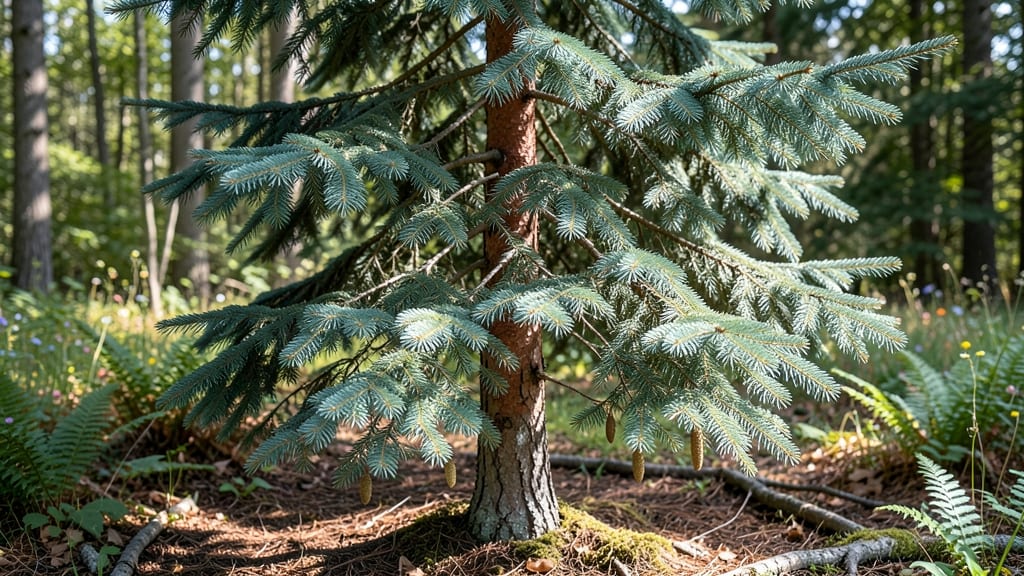
Caring for a hemlock tree means keeping it healthy for decades with just a few smart moves each season. 🌲 The key isn't complicated—it's about understanding when to prune, how much water to give, and spotting problems early before they take hold.
My Eastern hemlock has stood tall for 20 years because I treat it like the long-term investment it is, not a quick-fix project. These trees thrive in partial shade, rich soil, and consistent moisture—conditions that mimic their natural forest habitat.
You'll want to mimic that by planting in well-draining soil with organic matter, mulching to retain moisture, and avoiding heavy clay. The payoff? A tree that grows steadily, resists pests better, and develops that classic layered look without aggressive pruning.
The real magic happens in year-round pruning—not just in spring. Remove dead branches anytime, shape lightly in early spring, and thin out crowded growth in late summer. This keeps airflow moving through the branches, reducing fungal risks and letting sunlight reach the lower limbs.
Within a year, you'll notice denser foliage and fewer brown patches. Works for both Eastern and Western hemlocks, though Western varieties tolerate slightly drier conditions. The same principles apply whether you're maintaining a 10-foot specimen or a towering 60-foot giant. Here's how to get started without overcomplicating it.
📚 In This Guide
- What you need
- Instructions
- Tips and common mistakes
- Wrapping up and next steps
What you need
- ● Pruning shears: Bypass pruners (for small branches, 2–4" cutting capacity) – 1 pair.
- ● Loppers: Bypass or anvil type (for medium branches, 6–12" cutting capacity) – 1 pair.
- ● Pruning saw: Curved-tooth saw (for thick branches, 16"+ cutting capacity) – 1.
- ○ Extension pole: 10–15 ft telescoping pole (for high branches) – 1 (optional but helpful!).
- ● Gloves: Heavy-duty, cut-resistant (to protect hands from thorns/sap) – 1 pair.
- ● Safety gear: Goggles, long sleeves, and closed-toe shoes (for protection).
- ● Disinfectant: 70% isopropyl alcohol or bleach solution (1 part bleach : 9 parts water) (to sterilize tools between cuts).
- ● Tarp or drop cloth: (to collect debris) – 1–2.
- ● Tree wound dressing: (e.g., Tanglefoot Tree Wound Pruning Seal) – 1 small tub (controversial but some swear by it!).
- ● Ladder: Sturdy, extendable ladder (if branches are >15 ft high) – 1.
- ● Marking spray: (to outline cuts on large branches) – 1 small bottle.
- ● First-aid kit: (for minor scrapes or sap burns).
Step-by-Step instructions for pruning hemlock trees
Here’s how I keep my hemlock trees thriving with simple, seasonal pruning that boosts health and shape.
✂️ Step 1: Assess and Plan Your Pruning
Start by walking around your hemlock tree and scan for dead, diseased, or crossing branches. I look for branches that are brown and brittle (dead) or have yellowing needles (stressed). Mark these with a small piece of twine or a spray paint dot—this keeps me organized and prevents over-pruning.
Hemlocks grow best when you remove no more than 25% of the total canopy in one season. I like to prune lightly in early spring and late fall, focusing on branches that are thicker than my thumb. This ensures the tree retains enough foliage to photosynthesize and stay healthy.
✂️ Step 2: Prune Dead and Diseased Branches First
Grab your pruning shears and start at the bottom of the tree, working your way up. Cut dead branches back to the nearest healthy bud or branch collar—the raised area where the branch meets the trunk. This prevents disease from spreading into the main stem. I always make clean cuts at a 45-degree angle, just outside the branch collar, to avoid tearing the bark.
If you spot branches with fungal growth (like white, powdery spots or oozing sap), disinfect your shears with rubbing alcohol between cuts. Hemlocks are prone to woolly adelgid, so I inspect every branch for cottony white clusters—these need immediate removal to protect the tree.
✂️ Step 3: Thin the Canopy for Better Airflow
Next, focus on thinning the inner branches to improve airflow and sunlight penetration. I target branches that are growing inward or rubbing against others. These are the ones that can trap moisture and encourage disease. Cut these back to a lateral branch or bud, making sure to leave a small stub—this helps the wound heal faster.
For larger branches (over 2 inches thick), use a pruning saw instead of shears. Step back occasionally to check your progress—you want to see light filtering through the canopy evenly. Avoid "lion-tailing," where you shear off the outer branches without thinning inside. This creates a weak, dense growth pattern.
⏰ Step 4: Shape and Maintain Year-Round
After removing deadwood and thinning, you can lightly shape the tree if needed. Hemlocks have a natural, layered look, so I avoid heavy shaping. Instead, I focus on removing branches that disrupt the tree’s natural form. For example, if a branch is growing straight up instead of outward, I’ll cut it back to encourage fuller growth.
Finish by cleaning up the area—remove all pruned branches and debris from the base of the tree. I also apply a 2-inch layer of mulch around the drip line (the edge of the tree’s canopy) to retain moisture and suppress weeds. Water deeply after pruning to help the tree recover.
🌿 Step 5: Monitor and Repeat Seasonally
Check your hemlock every 3-4 months for new dead branches or signs of pests. Early spring (just as new growth begins) and late fall (after leaf drop) are the best times to prune. Avoid heavy pruning in summer—it stresses the tree when it’s already working hard to stay cool.
If you notice new growth but the tree looks weak, it might need a balanced fertilizer. I use a slow-release, 10-10-10 formula in early spring to support recovery. Over time, consistent pruning will give you a stronger, more resilient hemlock that stays healthy for decades.
Tips & tricks for year-round hemlock tree care
Keeping your hemlock thriving takes more than just occasional trimming—it's about smart, seasonal care that prevents stress and disease.
The 25% Rule: Never remove more than 25% of the canopy in one season, as instructed in Step 1. This preserves the tree's ability to photosynthesize and maintain energy reserves. If you're unsure about what 25% looks like, take photos before and after pruning—this visual reference helps prevent over-pruning, which weakens the tree. For mature trees, I often split pruning into two sessions (early spring and late fall) to stay within this limit.
Branch Collar Awareness: In Step 2, when cutting branches, focus on the branch collar—the swollen area where the branch meets the trunk. This is the tree's natural healing zone. If you cut too close to the trunk or flush with it, you create an open wound that invites disease. I like to use a small piece of tape marked with a line at the 45-degree angle to guide my cuts—this ensures consistency every time.
Pest Patrol: Hemlocks are especially vulnerable to woolly adelgid, so make this a habit: Before pruning, inspect every branch for cottony white clusters (Step 2). If you find them, don't just remove the branch—treat the entire tree with horticultural oil or insecticidal soap according to package instructions. I schedule this inspection during Step 1's assessment walk to catch infestations early.
Light Testing: After thinning in Step 3, step back and look up at your tree. You should see light filtering through the canopy evenly—this is your goal. If you notice dark patches where light can't reach, those are areas that need more thinning. I use a simple trick: Hold a flashlight at the base of the tree and see where the light disappears. Those are your target branches for removal.
Pro Tips for Hemlock Tree Care
- Keeping your hemlock thriving takes more than just occasional trimming—it's about smart, seasonal care that prevents stress and disease.
- The 25% Rule: Never remove more than 25% of the canopy in one season, as instructed in Step 1.
- Branch Collar Awareness: In Step 2, when cutting branches, focus on the branch collar—the swollen area where the branch meets the trunk.
Frequently asked questions
about hemlock tree care—because even the best-pruned trees need a little extra attention! Here are answers to the most common questions to keep your hemlock thriving year-round.When is the best time to prune a hemlock tree?
Late winter to early spring (February–March) is ideal for heavy pruning, as the tree is dormant but about to wake up. For light maintenance (removing dead branches or shaping), you can prune anytime except during extreme heat or cold. Avoid pruning in late summer or fall, as it can stimulate new growth that won’t harden off before winter.
How much of a hemlock tree can I safely prune?
Never remove more than 25% of the tree’s foliage in a single year. Hemlocks are sensitive to over-pruning, which can stress the tree and make it vulnerable to pests or disease. For mature trees, spread pruning over 2–3 years if heavy shaping is needed. Always prioritize removing dead, diseased, or crossing branches first.
Why are my hemlock needles turning brown? Is it normal?
Brown needles can signal hemlock woolly adelgid (a common pest) or environmental stress (drought, poor soil, or winter burn). Start by checking for cottony white pests on branches—if present, treat with horticultural oil or insecticidal soap. If no pests are found, improve soil drainage, mulch well, and water deeply during dry spells. Never ignore it!
Can I prune a young hemlock tree the same way as a mature one?
Young hemlocks (under 10 years old) need minimal pruning—focus on removing only dead, broken, or rubbing branches. Avoid heavy shaping, as it can stunt growth. Once established, you can lightly shape the tree to encourage a fuller canopy, but wait until it’s at least 3–5 years old before any significant work.
Are there alternatives to pruning if my hemlock looks unhealthy?
If pruning isn’t enough, consider these steps:
- Fertilize with an acid-loving tree fertilizer (like iron sulfate or pine-specific blend) in early spring.
- Improve soil health with organic mulch (pine needles or wood chips) and ensure proper drainage.
- Check for root issues—compacted or waterlogged soil can strangle roots. Aerate if needed.
- Consult an arborist if pests, disease, or structural problems persist.
Wrapping up and next steps
Caring for your hemlock tree doesn’t have to be overwhelming—just a little consistent love and the right techniques go a long way! 🌲 Whether you’re tackling seasonal pruning, pest control, or soil health, these steps will keep your tree thriving for years to come.
Start small, stay patient, and soon you’ll see lush, vibrant growth that makes all the effort worthwhile.
Ready to take the next step? Grab your tools, schedule a quick check-in with your tree, and celebrate the small wins along the way! 🎉