
Pruning
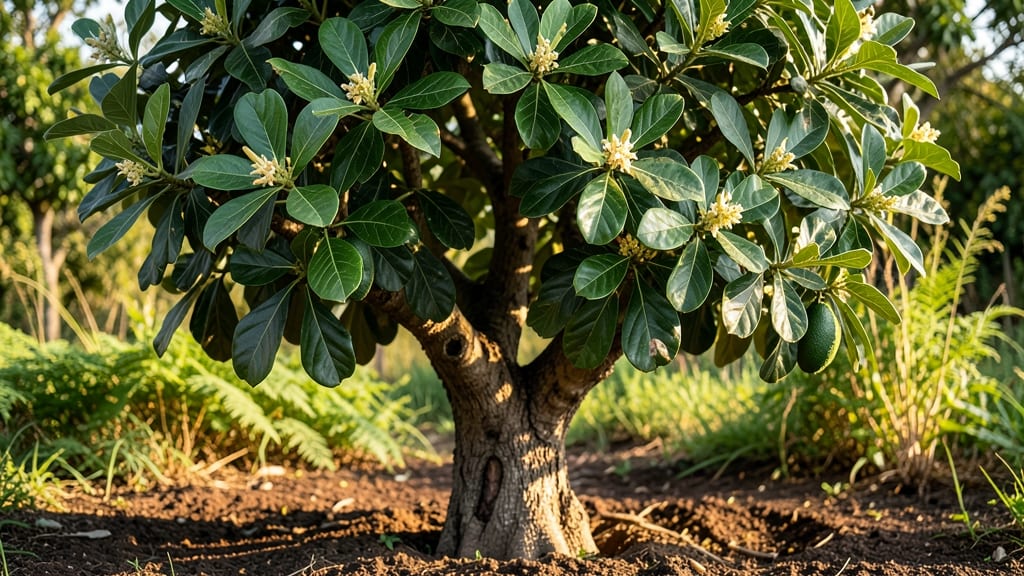
Your avocado tree’s sun habits make all the difference between healthy growth and stunted frustration. 🌞 Avocados crave full sun—at least 6-8 hours daily—but too much scorching heat or harsh afternoon rays can scorch leaves, even in tropical climates.
The key? Strategic pruning and placement to balance light exposure without stressing the tree.
Here’s the thing—most gardeners overcorrect by either shielding trees from sun or letting them bake. In Zone 9-11, morning sun with afternoon shade works best, while cooler zones (8 and below) need full sun year-round.
Prune to open the canopy for airflow and light penetration, focusing on removing crowded branches that block sunlight from reaching the inner trunk.
What you’ll end up with is a tree that produces thicker, more abundant fruit and grows stronger year after year. The leaves stay glossy, the branches fill out evenly, and you avoid the dreaded "sunburnt" patches that turn leaves yellow or crispy.
Even indoor-grown avocados benefit from bright, indirect light—just mimic the outdoor conditions.
This works whether you’re growing in a backyard, container, or greenhouse. The same principles apply: monitor light exposure, adjust pruning as seasons shift, and watch your tree thrive. Let’s get those branches in shape!
📚 In This Guide
- What you need
- Instructions
- Tips and common mistakes
- Wrapping up and next steps
What you need
- ● Pruning shears: Bypass pruners (sharp, sterilized, and ergonomic for precision cuts). Quantity: 1 pair (or 2 if pruning large branches).
- ● Loppers: For branches ½–2 inches thick. Quantity: 1 pair.
- ● Pruning saw: For thick branches (>2 inches). Quantity: 1 (hand saw or folding saw).
- ● Gloves: Heavy-duty, cut-resistant gloves to protect hands from thorns and sap.
- ● Disinfectant: 70% isopropyl alcohol or bleach solution (1 part bleach to 9 parts water) to sterilize tools between cuts.
- ○ Sealing wax or pruning paste: Optional but recommended for large cuts (>½ inch) to prevent disease.
- ● Extension pole: For high branches (adjustable, 3–6 feet long).
- ● Bucket or bag: To collect pruned branches (10–20 gallon capacity for debris).
- ● Safety gear: Safety glasses (to shield from debris) and long sleeves/pants (avocado trees have sharp thorns!).
- ● Weather check: Prune on a dry, sunny day (avoid wet or windy conditions).
- ● Pruning guide: Print or bookmark this article—or a tree-specific pruning chart for reference.
- ● Mulch: Organic mulch (wood chips or straw) to replenish after pruning (2–3 inches around the base).
- ○ Fertilizer: Balanced citrus/avocado fertilizer (e.g., 6-6-6 NPK) to apply post-pruning (optional but beneficial).
- ● Camera: Snap photos of your tree’s shape before and after pruning for progress tracking!
Step-by-step guide to pruning avocado trees for optimal sun exposure
Here's how I maintain my avocado tree's shape while maximizing sunlight—key to fruit production and disease prevention.
✂️ Step 1: Assess the Tree's Growth Habits and Sun Requirements
Avocado trees thrive with 6-8 hours of direct sunlight daily, but their dense canopies often block lower branches from reaching light. Start by examining the tree's current light exposure: stand at the center and look outward—any branches casting shadows on others need attention. I focus on removing suckers (fast-growing shoots at the base) and crossing branches first, as these compete for sunlight and nutrients.
Use a pruning saw for thick branches over 1 inch in diameter and bypass pruners for thinner growth. Sterilize tools with rubbing alcohol between cuts to prevent bacterial infections. The goal is to create an open, vase-like shape that allows sunlight to penetrate to the inner canopy and lower limbs. This ensures even growth and prevents weak, shaded branches that won’t bear fruit.
☀️ Step 2: Prune for Light Penetration During the Dormant Season
The best time to prune avocado trees is late winter or early spring, just before new growth begins. This timing minimizes stress and allows the tree to heal before summer heat. I start by removing dead, diseased, or damaged branches—these are easy to spot as they’re brown, brittle, or oozing sap. Cut back to the nearest outward-facing bud or branch collar to encourage healthy regrowth.
Next, thin out overcrowded branches to improve airflow and sunlight exposure. Aim to reduce the canopy by no more than 25% in one session—this prevents shock. For horizontal branches, I make angled cuts just above a leaf node to redirect growth upward. Vertical branches should be pruned back to a strong lateral branch to encourage a balanced shape. Watch for water sprouts (thin, fast-growing shoots) and remove them immediately—they drain energy from fruit production.
🌿 Step 3: Maintain Shape and Sun Exposure Through the Growing Season
During the active growing season (spring to fall), focus on light maintenance pruning to preserve the tree’s shape and ensure sunlight reaches all branches. I perform weekly inspections to remove any new suckers or aggressive shoots that threaten the tree’s structure. For branches growing toward the center, I shorten them by 1/3 to open up the canopy. This encourages outward growth and prevents a dense, shaded interior.
Pay special attention to the lower third of the tree—this area often gets neglected but is critical for sunlight distribution. If you notice yellowing leaves or sparse foliage on lower branches, it’s a sign they’re not getting enough light. In such cases, I selectively prune upper branches to redirect sunlight downward. Avoid heavy pruning during summer, as the tree is more vulnerable to heat stress and pests. Instead, opt for light trimming to shape the tree gradually.
⏰ Step 4: Prepare for Winter and Adjust Sun Exposure as Needed
As winter approaches, reassess the tree’s sun exposure and adjust pruning accordingly. If your avocado tree is in a cooler climate, it may benefit from light winter pruning to remove any weak or crossing branches that could become problematic when growth resumes. I also check for sun scorch—common in avocado trees exposed to harsh afternoon sun. If leaves show brown, crispy edges, it’s a sign the tree needs partial afternoon shade during peak heat hours.
To protect the tree, I install shade cloth (30-50% coverage) on the south or west side during extreme heat. This prevents sunburn while still allowing morning sunlight, which avocado trees need for photosynthesis. After winter, I perform a final shape-up pruning in early spring to remove any dead wood or overly aggressive growth that developed during the dormant season. This keeps the tree healthy, open, and ready for fruit production.
Tips & tricks for perfect avocado tree sun pruning
These practical insights will help you maintain a thriving avocado tree that produces abundant fruit year after year.
Timing is Everything: The late winter/early spring window is critical for dormant-season pruning—this gives your tree time to heal before summer's heat stress. I've learned the hard way that pruning too early in winter can expose fresh cuts to frost damage, while waiting too long risks encouraging new growth that won't harden off properly before summer. Mark your calendar for that precise window between late February and early March in most climates.
Tool Selection Matters: Using the right tool for each branch size makes all the difference. For branches over 1 inch in diameter, a sharp pruning saw is essential—it makes clean cuts that heal faster. For thinner growth, bypass pruners give you better control and precision. I keep a small bottle of rubbing alcohol handy to sterilize tools between cuts, which prevents spreading fungal infections that can weaken your tree.
Visual Cues for Proper Pruning: When making angled cuts on horizontal branches, look for the leaf node just above where you're cutting—this is where new growth will emerge. For vertical branches, aim to cut back to a strong lateral branch that's at least 1/4 inch in diameter. The cut should be just outside the branch collar (that swollen area where the branch meets the trunk) to promote proper healing. I always make my cuts at a 45-degree angle for branches over 1/2 inch to shed water effectively.
Seasonal Adjustments: During the growing season, I perform weekly inspections rather than waiting for formal pruning sessions. This lets me catch new suckers or aggressive shoots before they become problems. In summer, I focus on light trimming only—never remove more than 10% of the canopy in any single session. The tree's energy is better spent on fruit production than healing large wounds during peak heat.
Pro Tips for Avocado Tree Sun
- These practical insights will help you maintain a thriving avocado tree that produces abundant fruit year after year.
- Timing is Everything: The late winter/early spring window is critical for dormant-season pruning—this gives your tree time to heal before summer's heat stress.
- Tool Selection Matters: Using the right tool for each branch size makes all the difference.
Frequently asked questions
Got questions about keeping your avocado tree thriving under the sun? Here are some of the most common concerns—and straightforward answers to help you prune like a pro!
How much sun does an avocado tree need for healthy growth?
Avocado trees love the sun! Aim for 6–8 hours of direct sunlight daily, especially in warmer climates. If your tree gets less, it may grow leggy or produce fewer fruits. Morning sun is ideal—it prevents leaf burn from harsh afternoon rays.
When is the best time to prune an avocado tree for sun exposure?
Prune in late winter or early spring (just before new growth starts) to maximize sun penetration. Avoid heavy pruning in summer—it stresses the tree. Pro tip: Lightly shape branches in fall to improve airflow and sunlight distribution.
What if my avocado tree’s leaves turn yellow after pruning?
Yellow leaves can signal stress, but it’s often normal after pruning. Check for:
- Over-pruning (keep ⅔ of the canopy)
- Underwatering (avocados hate dry roots!)
- Pests or disease (inspect leaves closely)
Can I prune an avocado tree too much?
Yes! Pruning more than 25–30% of the tree at once can shock it, leading to weak growth or fruit loss. Focus on selective shaping—remove only dead, crossing, or overly dense branches. Thin the canopy gradually for balanced sun exposure.
How do I protect my avocado tree from sunburn in hot climates?
Sunburn (brown, crispy leaves) happens when young or thin-skinned trees get intense afternoon sun. Solutions:
- Use shade cloth (30–50%) for new growth
- Water deeply in the morning to cool leaves
- Prune to open the canopy gradually
Wrapping up and next steps
Mastering avocado tree sun pruning is your secret weapon for a thriving, sun-kissed tree year-round! 🌞 By trimming strategically—balancing light exposure, shaping growth, and removing dead branches—you’re not just pruning; you’re investing in your tree’s health and future harvests.
Whether you’re a seasoned gardener or just starting, every snip brings you closer to that perfect, productive canopy.
Ready to take the next step? Grab your pruners, mark your calendar for seasonal checks, and observe how your tree responds! With patience and practice, your avocado tree will reward you with lush foliage, abundant fruit, and a stunning centerpiece for your garden. Happy pruning! ✂️🌿